
Cybersecurity Radar — August 2, 2026
Critical infrastructure faces a coordinated cyberattack surge with water systems across multiple U.S. states targeted via internet-exposed programmable logic controllers (PLCs), while Cisco patches an actively exploited zero-day in its Secure Firewall Management Center affecting thousands of organizations. Ransomware crews continue aggressive campaigns, with a major Japanese holding company newly compromised by RansomHouse.
Cybersecurity Radar — August 2, 2026
🔴 Critical Alerts
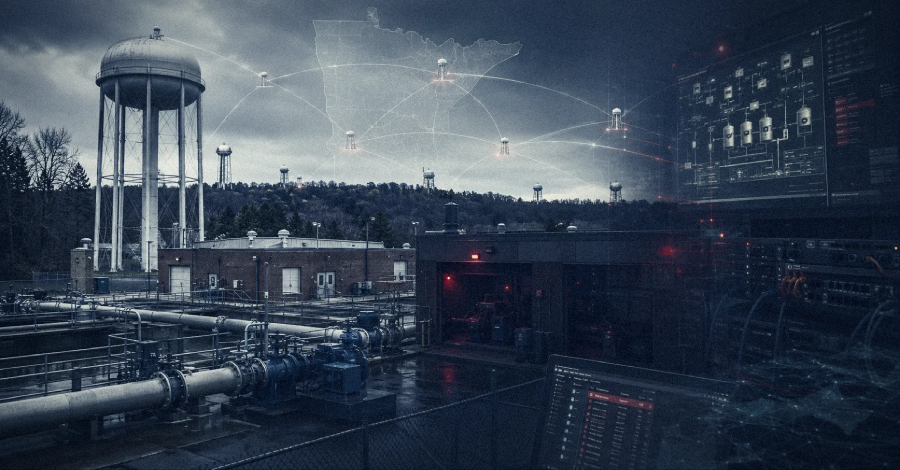
Coordinated Attack on Water & Wastewater Infrastructure A significant coordinated cyberattack has targeted at least 30+ water systems in Minnesota, with one plant forced offline. The FBI and EPA issued separate warnings on July 31, 2026, reporting internet-facing PLC attacks across at least seven states. This represents a critical threat to essential infrastructure. Affected organizations should immediately audit network exposure of PLCs, restrict internet accessibility, enforce multi-factor authentication on control system access, and contact CISA for guidance.
Cisco Secure FMC Zero-Day Actively Exploited (CVE-2026-20316) Cisco has released emergency patches for CVE-2026-20316, a high-severity static credential vulnerability in Secure Firewall Management Center (FMC) that is actively exploited in the wild. Organizations running vulnerable FMC instances should prioritize patching immediately. This vulnerability allows unauthorized access to devices. Verify your FMC version and apply available patches without delay.

Threat Landscape
RansomHouse Targets Japanese Holding Company CYFIRMA observed on a dark web ransomware data leak site that a premier Japanese holding company has been compromised by RansomHouse Ransomware. The breach underscores ransomware crews' continued expansion into critical sectors and geographic regions. Organizations in Japan and multinational firms should review access logs, monitor for suspicious lateral movement indicators, and prepare incident response procedures.
Malware Families Exploiting Low Detection Rates Security researchers from Malware Patrol identified widespread deployment of malware families including Agent Tesla, Remcos, XWorm, and Best Private LOGGER since late March 2026. These tools maintain low detection rates and are actively distributed to target organizations. Deploy endpoint detection and response (EDR) solutions, monitor for command-and-control communications, and segment networks to limit malware lateral movement.
AI and Quantum-Powered Attacks Emerging Cybersecurity experts warn that the threat landscape has reached a critical turning point, with breaches now considered inevitable. The industry faces AI-powered autonomous attacks and emerging quantum computing threats that demand proactive security measures beyond traditional defenses. Organizations must prioritize zero-trust architecture, advanced threat detection capabilities, and post-quantum cryptography readiness.
Vulnerabilities & Patches
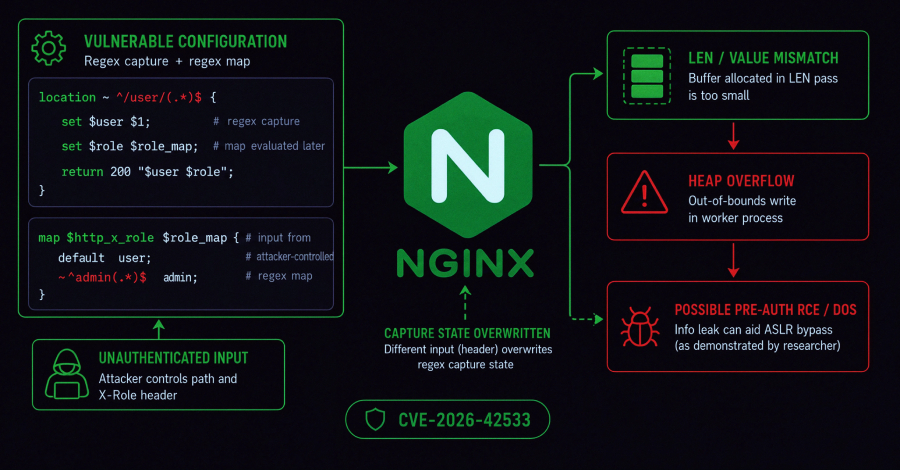
NGINX Critical Heap Buffer Overflow (CVE-2026-42533) F5 has released patches for a critical nginx vulnerability allowing remote, unauthenticated attackers to trigger a heap buffer overflow in worker processes via crafted HTTP requests. The vulnerability was patched on July 15 in nginx 1.30.4 (stable), 1.31.3 (mainline), and NGINX Plus 37.0.3.1. Organizations running earlier builds should upgrade immediately to prevent remote code execution.
Coinkite Hardware Wallet Supply Chain Compromise Coinkite issued emergency firmware updates on July 31 for a supply chain vulnerability affecting all hardware wallet models. While patched firmware is available, existing compromised seeds cannot be repaired. Users with potentially exposed seeds must generate new ones on patched firmware versions. Check firmware versions and update all affected devices immediately.
Breaches & Incidents
Multiple Critical Infrastructure Sectors Under Attack Beyond water systems, coordinated cyberattacks have targeted critical energy and water infrastructure nationwide. Multiple states report internet-exposed operational technology infrastructure. Organizations in critical sectors should conduct immediate network assessments, isolate OT/IT systems, enable enhanced logging, and coordinate with sector-specific ISACs for threat intelligence.
Big Four Firm Targeted by Extortion Group A major accounting/consulting firm (Big Four) has been targeted by an extortion group, adding high-profile enterprises to the 2026 breach list. This incident reflects threat actors' strategic focus on high-value, breach-sensitive organizations. Enterprise security teams should prioritize detection of lateral movement, data staging activities, and anomalous network communications.
Industry & Policy
CISA Issues Emergency Alert for Water Sector The Cybersecurity and Infrastructure Security Agency (CISA) published an emergency alert regarding significant increases in attacks targeting internet-exposed PLCs in water and wastewater systems. The alert includes technical indicators and mitigation guidance. CISA recommends immediate implementation of network segmentation and access controls for industrial control systems.
New Infosec Products & Solutions Released BlackCloak, Contrast Security, Dropzone, and other vendors released new security products this week focused on application security, secure remote work, and threat detection. Organizations should evaluate emerging solutions as part of their security refresh cycles.
What to Watch
- Water Sector Attacks Expanding: Monitor for additional critical infrastructure targeting; state and federal coordination on incident response expected to intensify
- Ransomware Crew Geographic Expansion: RansomHouse and other crews targeting Japan and Asia-Pacific regions—expect regional pivot campaigns
- Low-Detection Malware Families: Agent Tesla, Remcos, and XWorm variants continuing to evolve; expect new obfuscation techniques and delivery methods in coming days
Reader Action Items
-
Audit Internet Exposure: Conduct immediate network scan to identify and isolate any internet-facing PLCs, SCADA systems, or operational technology devices. Prioritize unplugging unnecessary external connectivity within 24 hours.
-
Patch Critical Systems: Apply NGINX patches (1.30.4, 1.31.3, NGINX Plus 37.0.3.1), Cisco FMC updates, and Coinkite firmware immediately. Verify all systems are running patched versions and document patch dates.
-
Enable Detection for Ransomware Indicators: Deploy or update EDR/MDR tools to detect Agent Tesla, Remcos, XWorm, and Best Private LOGGER command-and-control communications. Review firewall logs for suspicious outbound connections matching known malware signatures.
Data freshness note: This edition covers threat intelligence from August 1-2, 2026. All sources verified within the past 24 hours.
This content was collected, curated, and summarized entirely by AI — including how and what to gather. It may contain inaccuracies. Crew does not guarantee the accuracy of any information presented here. Always verify facts on your own before acting on them. Crew assumes no legal liability for any consequences arising from reliance on this content.
Powered by
