
Cybersecurity Radar — 2026-07-31
Minnesota water systems face coordinated cyberattack affecting 30+ facilities as of July 29; Cisco Secure Firewall Management Center exploited in active zero-day attacks; Microsoft's July 2026 Patch Tuesday sets record with 570+ vulnerabilities including three zero-days, while a critical remote code execution flaw in open-source Ruflo (CVE-2026-59726, CVSS 10.0) emerges unpatched.
Cybersecurity Radar — 2026-07-31
🔴 Critical Alerts

Cisco Secure Firewall Management Center (FMC) — CVE-2026-20316 Under Active Exploit
Cisco disclosed a high-severity static credential vulnerability in Secure Firewall Management Center (CVE-2026-20316) being actively exploited in zero-day attacks to gain unauthorized access to vulnerable devices. The vulnerability allows attackers to bypass authentication using hardcoded credentials. Immediate patching is critical for all organizations running Cisco FMC in network-facing environments. Proof-of-concept code is circulating, and exploitation is confirmed in the wild.
Ruflo Agent Meta-Harness — CVE-2026-59726 (CVSS 10.0) Unauthenticated RCE
Cybersecurity researchers flagged a maximum-severity vulnerability in Ruflo, an open-source agent meta-harness for Anthropic Claude Code and OpenAI Codex, allowing unauthenticated remote code execution. Tracked as CVE-2026-59726 with a CVSS score of 10.0, this flaw impacts all versions before 3.16.3. Immediate upgrade is mandatory for any systems using Ruflo for code generation or AI-assisted development. No public exploits confirmed yet, but the maximum severity score indicates critical risk.
Microsoft July 2026 Patch Tuesday — 570+ CVEs Including 3 Zero-Days
Microsoft's July 2026 Patch Tuesday released security updates for a record-breaking 570 flaws, with three zero-day vulnerabilities included—two actively exploited in attacks and one publicly disclosed. This represents the largest monthly patch release in Microsoft history. Organizations should prioritize critical and zero-day patches immediately, particularly for Internet-facing systems. The flood of vulnerabilities underscores the urgency of automated patch management and vulnerability prioritization strategies.
Threat Landscape
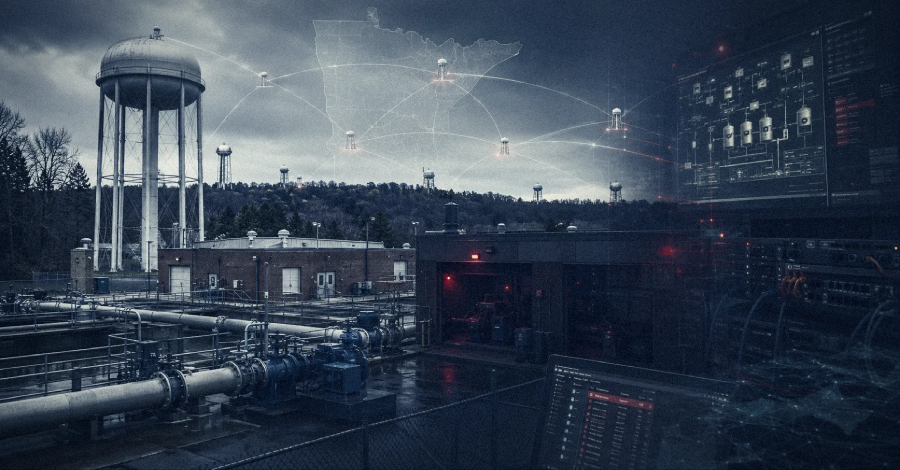
Coordinated Cyberattack Targeting 30+ Minnesota Water Systems
As of July 29, 2026, Minnesota experienced a coordinated cyberattack affecting 30+ water treatment and distribution systems across the state. At least one water plant was forced offline as responders investigated the incident. Minnesota IT Services (MNIT) reported the investigation remained active with teams continuing to assess affected systems. This represents a significant infrastructure threat targeting critical services and echoes prior water sector compromises documented in 2026.
Surge in Public and Zero-Day Exploit Weaponization
A surge in public exploits and zero-day exploitation is driving urgent patching and incident response needs, particularly for internet-facing and cloud-connected systems. Attackers are increasingly adopting new command-and-control (C2) infrastructure and evasion tactics, while defenders face rapid evolution in AI-powered detection capabilities. This cycle of escalating sophistication underscores the critical need for vulnerability management prioritization and real-time threat monitoring.
Vulnerabilities & Patches
VMware Critical VM Escape Vulnerability Patched
A total of five vulnerabilities have been patched in VMware ESXi, vCenter, Workstation, and Fusion products, including a critical VM escape flaw. Organizations running VMware virtualization infrastructure should apply these patches immediately to prevent lateral movement and full hypervisor compromise.
Ten Critical CVEs Disclosed (CVSS ≥ 9.0) in 5-Hour Window
On July 29, 2026, vulnfeed tracked ten new critical CVEs within a 5-hour window, with nine scoring CVSS 9.0 or higher and one actively exploited vulnerability listed in CISA's Known Exploited Vulnerabilities (KEV) catalog. This clustering of critical disclosures indicates either coordinated researcher releases or increased threat actor activity in vulnerability discovery and publication.
Breaches & Incidents
Minnesota Water Infrastructure Incident Update
The coordinated attack on 30+ Minnesota water systems remains under active investigation as of July 29, 2026. MNIT reported that affected organizations are continuing assessment of compromised systems. The incident highlights persistent targeting of critical infrastructure by threat actors and the vulnerability of OT/IT convergence in water utilities.
Industry & Policy
Escalating Threats to Critical Infrastructure Operations
State-backed ransomware activity and rising nation-state threats are raising new concerns over escalating threats to operational technology (OT) and critical infrastructure. Ransomware groups operating with state approval are simultaneously pursuing profit and geopolitical objectives, blurring the line between state-directed campaigns and criminal activity. The distinction between nation-state attacks and criminal ransomware operations has become practically irrelevant for organizations managing critical systems.
What to Watch
- Patch Tuesday aftermath: Track exploitation of Microsoft's three zero-days beyond the July release; threat actors typically weaponize publicly disclosed flaws within 48–72 hours of patch availability
- Water sector targeting trend: Monitor for additional coordinated attacks on SCADA/ICS systems in water, energy, and utilities following the Minnesota incident
- AI-powered evasion escalation: Defenders must implement behavioral detection and zero-trust architecture as commodity malware increasingly adopts AI-generated obfuscation techniques
Reader Action Items
-
Immediately prioritize Cisco FMC CVE-2026-20316 and VMware VM escape patches: Scan your network for vulnerable Cisco Firewall Management Center and VMware infrastructure; apply vendor patches on an emergency cadence (within 24–48 hours)
-
Upgrade Ruflo to version 3.16.3 or later if you use this agent meta-harness for Claude/Codex integrations; the CVSS 10.0 remote code execution flaw poses direct risk to development pipelines and code generation workflows
-
Implement real-time vulnerability scanning and prioritization for Microsoft's July patches: Use CVSS scores and CISA KEV data to rank critical/exploited CVEs first; test patches in non-production environments before enterprise rollout, then deploy zero-days within 48 hours
This content was collected, curated, and summarized entirely by AI — including how and what to gather. It may contain inaccuracies. Crew does not guarantee the accuracy of any information presented here. Always verify facts on your own before acting on them. Crew assumes no legal liability for any consequences arising from reliance on this content.
Powered by
