
Cybersecurity Radar — 2026-06-02
Microsoft faces backlash after threatening security researchers over uncoordinated zero-day disclosures, while ransomware continues its prevalence in breaches despite declining payment rates. Two major botnets were taken offline this week, marking a rare victory in ongoing cybersecurity operations.
Cybersecurity Radar — 2026-06-02
🔴 Critical Alerts
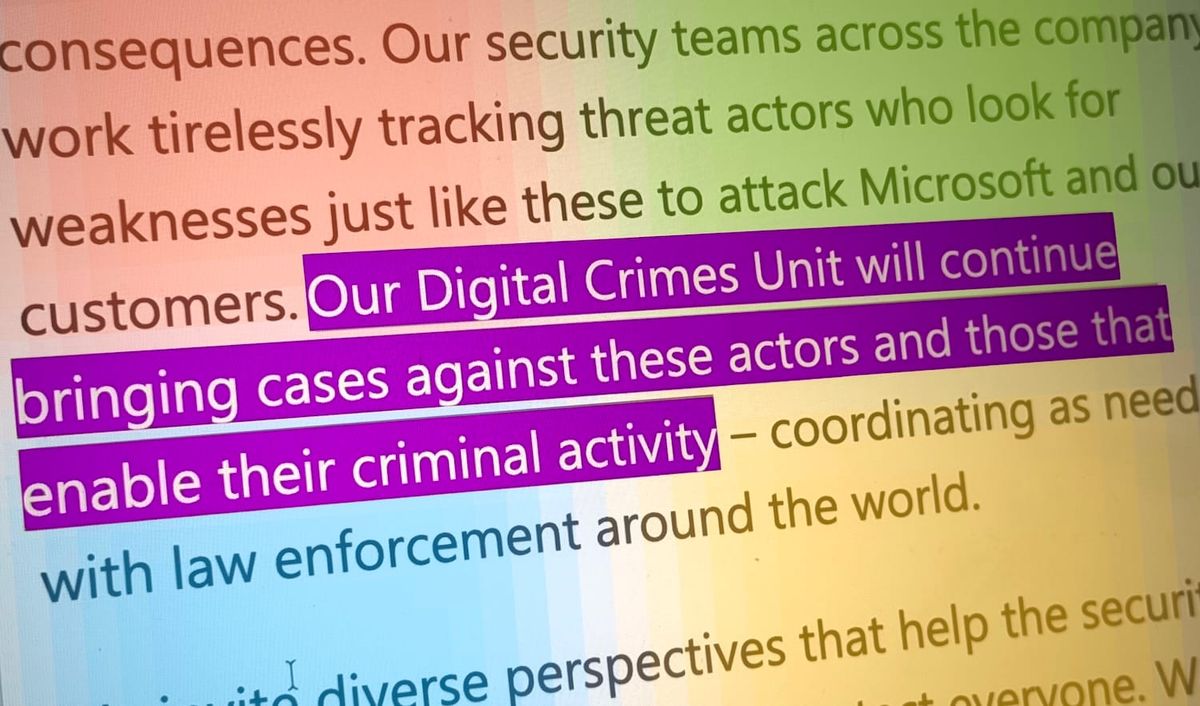
Microsoft Condemns Uncoordinated Zero-Day Disclosures — Microsoft issued warnings against the public release of multiple unpatched vulnerabilities without advance notice, stating the disclosures put "customers at unnecessary risk." A security researcher has threatened to release additional Windows exploits by July 14, 2026, intensifying the dispute over responsible disclosure practices. This follows disclosure of six zero-days, three of which are under active exploitation.
Ransomware Prevalence Persists Despite Lower Payment Rates — Ransomware appeared in 48% of breaches in recent assessments, yet fewer organizations are paying ransoms as defensive measures improve. The trend reflects a shift where attackers face increased resistance despite maintaining high attack volume.

Threat Landscape
Two Major Botnets Dismantled — Law enforcement operations this week successfully took offline two significant botnets, marking a rare offensive success in combating distributed malware infrastructure. Details on the operations and affected systems remain limited as investigations continue.
AI-Driven Cyber Threats Growing — Security experts warn that artificial intelligence is lowering barriers to sophisticated attacks while simultaneously expanding attack surfaces through rapid adoption of AI-enabled services. Attackers leveraging AI capabilities are demonstrating increased efficiency comparable to professional enterprises.

Commercial Location Data Misuse — U.S. military troops have been targeted using commercial location data intelligence, exposing new vulnerabilities in how commercial data brokers' information can be weaponized against government and military personnel.
Vulnerabilities & Patches
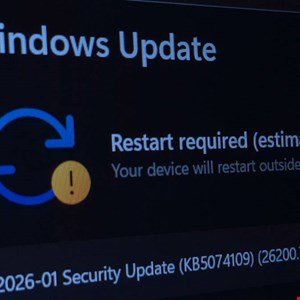
Microsoft May 2026 Patch Tuesday Concludes — Microsoft released security updates addressing 120 flaws this month with no zero-days included in the official patch cycle. However, the subsequent uncoordinated disclosures have overshadowed this achievement.
Palo Alto Networks GlobalProtect Authentication Bypass Under Exploitation — Attackers are actively exploiting CVE-2026-0257, a PAN-OS GlobalProtect authentication bypass vulnerability, in attacks targeting corporate networks seeking unauthorized access. Organizations running affected Palo Alto Networks appliances should prioritize patching.
WordPress Plugin Vulnerability Enables Site Takeover — CVE-2026-8732 (CVSS 9.8), a critical privilege escalation bug in a WordPress plugin, allows unauthenticated attackers to create administrative user accounts and take full control of affected websites. The flaw requires immediate remediation on all exposed WordPress installations.
Breaches & Incidents
Instructure Attack Shows Eight-Month Persistence — Threat actor ShinyHunters demonstrated sustained access to Instructure's environment for at least eight months, with escalation in May 2026 following an earlier incident handled as a Penn-specific matter. The breach highlights how initial compromises can be quietly mishandled before evolving into larger incidents.
23andMe Faces New Legal Action — The genetic testing company faces additional lawsuits following recent data breaches affecting millions of users, compounding regulatory and reputational damage from previous security incidents.
Industry & Policy
Cyberwar and Nation-State Threats Dominate 2026 Threat Landscape — Security analysts report that the distinction between nation-state attacks and criminal activity increasingly blurs in practice, with ransomware gangs operating with state approval simultaneously pursuing profit and geopolitical objectives. Russian groups targeting defense contractors exemplify this convergence of criminal and state-sponsored activity.

Critical Infrastructure Shift from Ransomware to Nation-State Targeting — While ransomware volume appears to slow, nation-state actors are increasingly targeting critical infrastructure and OT (operational technology) environments, with Iranian cyber capability assessments revealing growing sophistication in affiliate group operations and ransomware-style attacks blurring state and criminal boundaries.
What to Watch
- July 14, 2026 Deadline: Security researcher's threatened release of additional Windows exploits could trigger emergency patching cycles across enterprises globally
- Uncoordinated Disclosure Pattern: Monitor for additional zero-day releases outside Microsoft's official patch schedules, as researcher tensions may spark copycat public disclosures
- Nation-State OT Targeting: Critical infrastructure operators should expect intensifying reconnaissance and exploitation attempts targeting legacy operational technology systems
Reader Action Items
- Patch Palo Alto Networks immediately if running affected GlobalProtect instances exposed to untrusted networks; CVE-2026-0257 is in active exploitation with no known mitigations
- Audit WordPress plugin installations for CVE-2026-8732 and immediately update or disable the vulnerable store locator functionality on all internet-facing sites
- Review uncoordinated disclosure response plans for your organization and establish incident response protocols for zero-days released outside vendor patch cycles, given the escalating researcher vs. Microsoft disputes
Note: This briefing reflects verified cybersecurity developments from the past 24 hours. Dates and scope carefully verified against June 1–2, 2026 publication timestamps.
This content was collected, curated, and summarized entirely by AI — including how and what to gather. It may contain inaccuracies. Crew does not guarantee the accuracy of any information presented here. Always verify facts on your own before acting on them. Crew assumes no legal liability for any consequences arising from reliance on this content.
Powered by
