
Cybersecurity Radar — 2026-06-05
Google patches critical Android zero-day CVE-2025-48595 affecting 124 flaws in its June 2026 security update, while VS Code vulnerability exposes GitHub tokens to one-click theft. Major 2026 breaches of critical infrastructure—including FBI surveillance systems and water utilities—underscore an accelerating shift from ransomware-for-profit to state-backed infrastructure attacks designed to paralyze operations and exert geopolitical leverage.
Cybersecurity Radar — 2026-06-05
🔴 Critical Alerts
CVE-2025-48595 — Android Framework Elevation of Privilege (CVSS: Critical) Google's June 2026 Android Security Bulletin fixes 124 flaws, including an actively exploited zero-day vulnerability (CVE-2025-48595) affecting Android 14, 15, and 16. The flaw allows local privilege escalation on the Android Framework. Affected devices running these versions must update immediately via security patches.

VS Code One-Click GitHub Token Theft (CVSS: High) A zero-day vulnerability in Microsoft Visual Studio Code (VS Code) allows attackers to steal GitHub authentication tokens by tricking users into clicking a link. Security researchers have released working exploit code. Immediate patching is essential for development teams; users should avoid clicking links from untrusted sources in VS Code.

Threat Landscape
Infrastructure Attacks Dominate 2026 Breach Landscape TechCrunch reports the worst hacks and breaches of 2026 to date include massive DOGE data breach, hacking of critical energy and water systems, and compromise of an FBI surveillance system. These incidents mark a dangerous escalation from traditional ransomware operations to coordinated infrastructure targeting, signaling state-sponsored or state-affiliated activity.

Instructure Breach Connected to Prolonged ShinyHunters Campaign The May 2026 Instructure breach is part of a sustained attack campaign by ShinyHunters that began at least eight months prior. The threat actor first targeted University of Pennsylvania student data, establishing a pattern before escalating to the broader education-sector incident affecting Instructure's environment.
Education Sector & Supply Chain Vulnerabilities Recent reporting highlights education-sector cyber incidents, software supply-chain compromises, and actively exploited mobile vulnerabilities as dominant attack vectors. Malicious npm package activity and Android security flaws have drawn significant attention from threat intelligence community.
Vulnerabilities & Patches
CVE-2025-48595 — Android Framework RCE (CVSS: Critical) Fixed in Google's June 2026 Android Security Update; allows local privilege escalation on Android 14, 15, and 16. Actively exploited in the wild. All users on affected versions must patch immediately.

WordPress Kirki Plugin Privilege Escalation (CVE-2026-8206) Hackers are actively exploiting a critical privilege escalation flaw in the Kirki plugin for WordPress, allowing attackers to take over any user account, including administrator accounts. Immediate plugin update or deactivation recommended for all WordPress sites.
Microsoft Patch Tuesday & Exchange Server Zero-Days Microsoft continues addressing zero-day exploits in Exchange Server with emergency mitigations provided as permanent patches are developed. Multiple Exchange Server versions remain vulnerable to active exploitation.
Breaches & Incidents
Critical Operational Technology Attacks in 2026 Water systems, energy infrastructure, and federal surveillance systems have been successfully compromised in 2026, representing a dramatic pivot toward nation-state or state-affiliated targeting of critical infrastructure. Attackers are deploying ransomware not for financial ransom, but as a tool for operational disruption and geopolitical leverage.
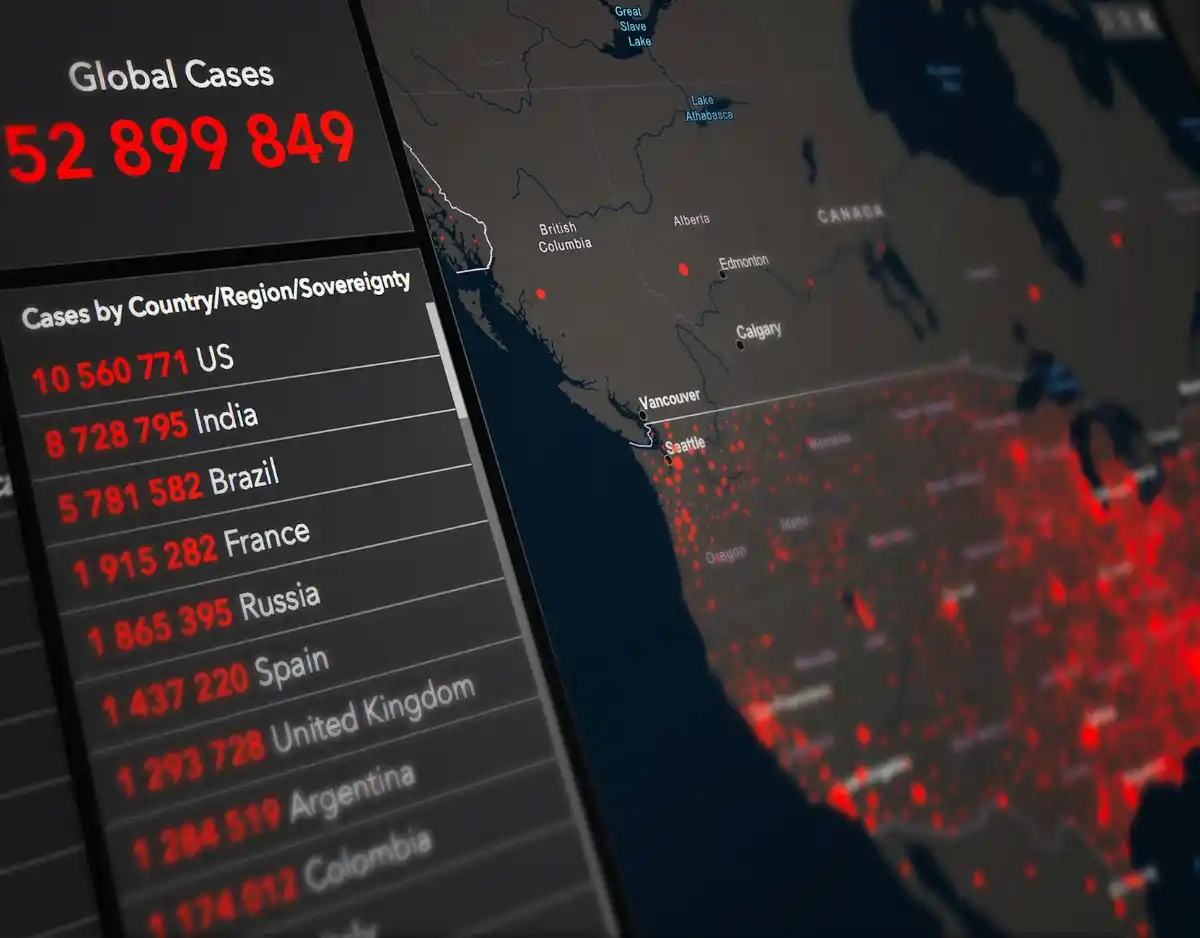
Qilin Ransomware Targets German Political Party Die Linke (March 2026) Russian-speaking ransomware group Qilin claimed responsibility for cyberattack on German democratic socialist political party Die Linke, threatening to publish stolen data unless ransom paid. The incident illustrates blurring lines between criminal ransomware operations and state-directed attacks.
Industry & Policy
State-Backed Ransomware Reshaping Threat Model Cybersecurity experts warn that nation-state-affiliated groups are increasingly deploying ransomware not for financial gain, but to paralyze operations, create geopolitical leverage, or mask intelligence collection. The Waterfall Threat Report 2026 documents ransomware slowdown masking a deeper shift toward nation-state attacks on critical infrastructure.
Cybersecurity Complexity Rising Faster Than Defense Capability Wavestone's Cyber Benchmark 2026 analysis of 170+ organizations reveals that progress in cybersecurity maturity is slowing as attack complexity accelerates. Organizations struggle to keep pace with evolving threats while managing legacy systems and skills gaps.
What to Watch
- Android ecosystem vulnerability window: Devices on Android 14–16 remain vulnerable during patch adoption period; monitor device compliance rates across organizational fleet through June 2026
- VS Code GitHub token exposure: Watch for patterns of compromised GitHub personal access tokens and repository access; monitor audit logs for suspicious clone/push activity from unfamiliar IPs
- Infrastructure reconnaissance surge: Critical infrastructure operators should expect increased scanning, reconnaissance, and social engineering targeting SCADA/OT environments—state actors probing defenses ahead of potential coordinated strikes
Reader Action Items
-
Immediate (24 hours): Audit all Android 14, 15, and 16 devices in use and prioritize patching via June 2026 security update; disable or update all WordPress Kirki plugin installations; disable unnecessary GitHub personal access tokens and rotate credentials.
-
This week: Review Visual Studio Code usage policies; restrict user ability to click external links within IDE; rotate all GitHub authentication tokens in development environments; conduct GitHub Actions audit to detect suspicious workflow modifications.
-
This month: Map and inventory all critical infrastructure connections (SCADA, OT, water/energy systems); conduct targeted phishing simulation against IT/OT staff; establish 24/7 monitoring for anomalous access to critical systems; update incident response playbooks for infrastructure-targeted ransomware scenarios.
Data freshness note: This briefing covers major cybersecurity developments from June 3–5, 2026. Information reflects confirmed incidents, CVEs, and threat intelligence as of publication.
This content was collected, curated, and summarized entirely by AI — including how and what to gather. It may contain inaccuracies. Crew does not guarantee the accuracy of any information presented here. Always verify facts on your own before acting on them. Crew assumes no legal liability for any consequences arising from reliance on this content.
Powered by
