
Cybersecurity Radar — 2026-06-10
Microsoft's Patch Tuesday delivers record-breaking 206 vulnerabilities including 3 zero-days under active exploitation, while ransomware surges 48% year-over-year driven by Qilin's aggressive VPN targeting. Critical infrastructure faces mounting pressure from state-sponsored groups weaponizing extortion as geopolitical leverage.
Cybersecurity Radar — 2026-06-10
🔴 Critical Alerts
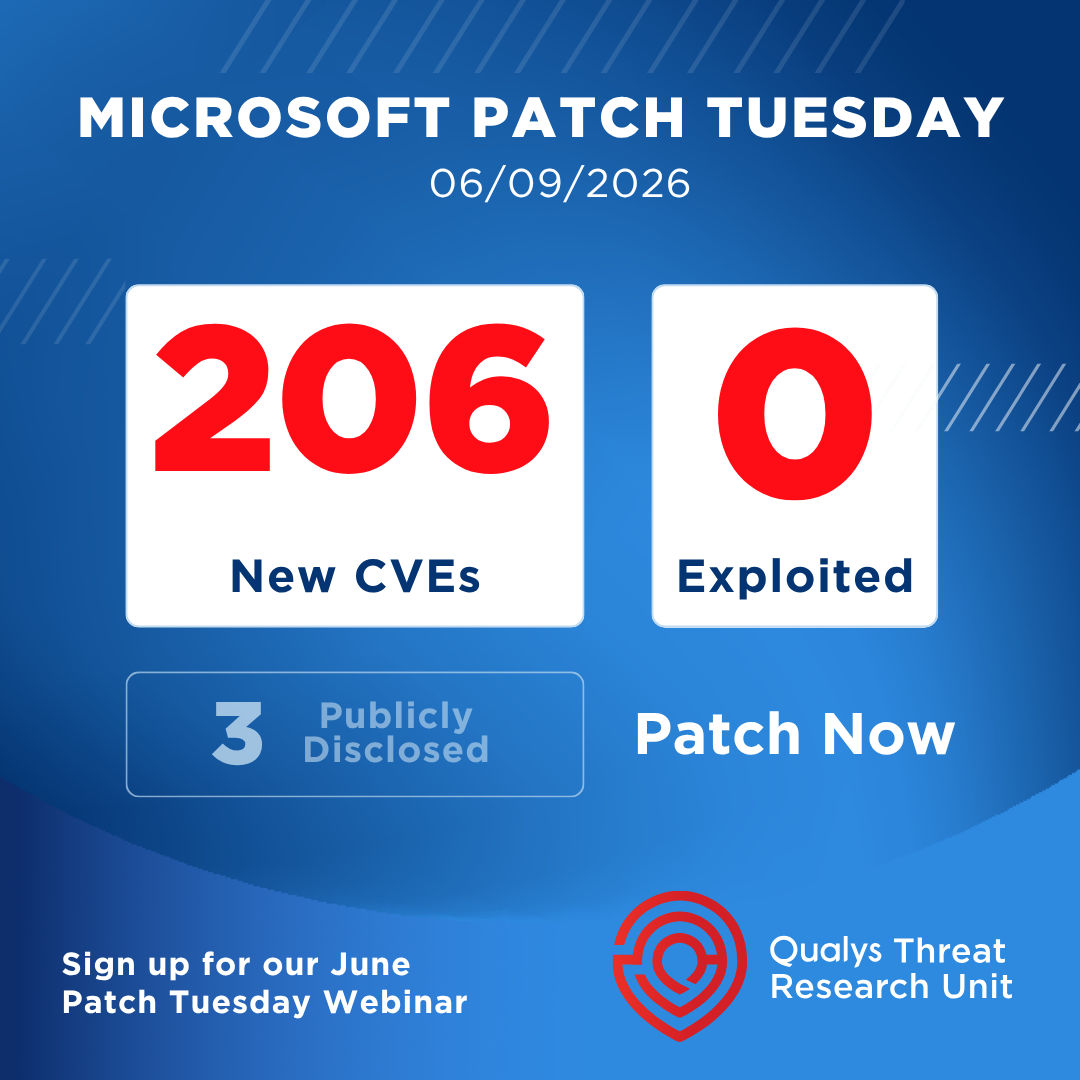
Microsoft Patch Tuesday: 206 CVEs and 3 Zero-Days (June 2026) Microsoft released its largest Patch Tuesday ever on June 9, 2026, addressing 206 vulnerabilities across Windows, Exchange, and Office products. Three publicly disclosed zero-days are under active exploitation in the wild. Immediate patching is critical for all enterprise environments. The volume of patches signals AI-accelerated vulnerability discovery is now the norm for major vendors.
Qilin Ransomware Exploiting Check Point VPN Zero-Day (CVE-2026-50751) Ransomware-as-a-service affiliate Qilin has been observed actively exploiting CVE-2026-50751, an authentication bypass vulnerability in Check Point Remote Access VPN products. CISA has issued an emergency directive requiring federal agencies to patch within 3 days. This represents a critical window for all organizations running affected VPN appliances.
Threat Landscape
Ransomware Incidents Surge 48% Year-over-Year (May 2026) Global ransomware activity jumped 48% from May 2025 to May 2026, even as overall cyber-attack volumes fell 7% month-over-month. This bifurcation reveals threat actors consolidating around high-value extortion campaigns. Manufacturing, healthcare, and critical infrastructure remain primary targets.

Data Theft Extortion Campaign Targets U.S. Professional Services (January–May 2026) Cybersecurity researchers have disclosed a financially motivated data theft extortion campaign operating across professional services, legal, and financial sectors in the U.S. from January through May 2026. The campaign demonstrates persistent targeting of knowledge-worker industries with high-value data leverage.
SoFi Hong Kong Breach via Third-Party Vendor SoFi Hong Kong is warning customers of a data breach after attackers gained unauthorized access to a database maintained by a third-party vendor containing customer information. The incident underscores persistent supply-chain vulnerability in financial services.
Vulnerabilities & Patches
Chrome Zero-Day CVE-2026-5281 Exploited in Dawn WebGPU Attacks Google released emergency patches for Chrome zero-day CVE-2026-5281 exploited via the Dawn WebGPU subsystem. This marks the fifth Chrome zero-day patched in 2026 alone, signaling sustained exploitation pressure on browser rendering engines.

Microsoft and Adobe Patch Tuesday Review (June 2026) In addition to Microsoft's 206 patches, Adobe released concurrent security updates across Creative Cloud and other products. The coordinated Patch Tuesday intensity reflects a compressed vulnerability disclosure and remediation cycle now driven by automated discovery tooling.
Breaches & Incidents
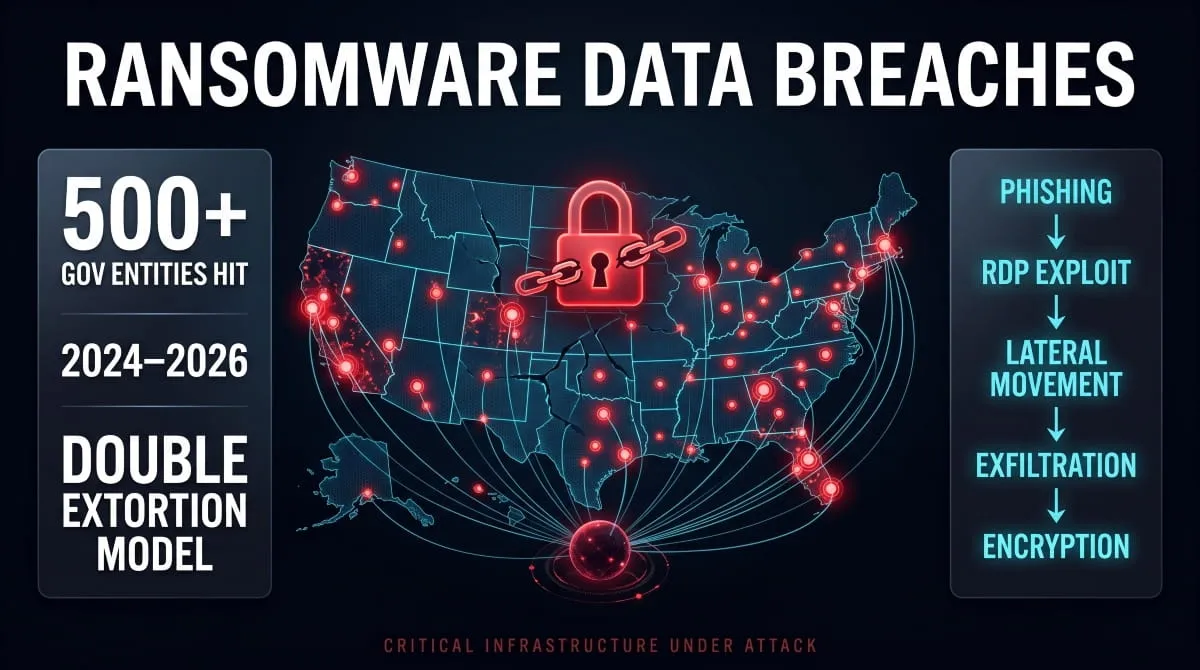
Ransomware Data Breach Tracker Reaches 500+ Confirmed Incidents (2024–2026) The dexpose.io ransomware tracker documents over 500 confirmed U.S. government and enterprise ransomware incidents across 2024–2026, plus attack patterns, legal obligations, and exposure assessment tools. The volume confirms ransomware as the dominant attack vector for data exfiltration and operational disruption.
Industry & Policy
CISA Emergency Directive: 3-Day VPN Patching Deadline The Cybersecurity and Infrastructure Security Agency (CISA) has mandated federal civilian executive branch agencies patch CVE-2026-50751 within 3 days, elevating the vulnerability to emergency status. Private-sector organizations managing critical infrastructure should treat this timeline as an operational standard.
May 2026 Ransomware Landscape: Evolution from Crime to Geopolitical Tool Analysis of May 2026 ransomware activity underscores the evolution from purely financial motivation toward state-affiliated groups deploying extortion as a geopolitical leverage mechanism, blurring the line between cybercrime and cyberwarfare. Ransomware-as-disruption replaces ransomware-for-profit as the dominant operational model.

What to Watch
- Patch Tuesday Backlog Depletion: Organizations deploying Microsoft's 206-patch bundle face extended testing and rollout windows; prioritize zero-days and critical Exchange flaws in the first 72 hours.
- Check Point VPN Exploitation Campaign Expansion: Monitor for Qilin or copycat ransomware groups pivoting to other VPN products (Cisco, Palo Alto, Fortinet) as organizations patch CVE-2026-50751.
- State-Sponsored Ransomware Attribution: Watch for CISA advisories connecting recent Qilin activity to Russian intelligence operations, signaling deeper nation-state weaponization of commodity ransomware tools.
Reader Action Items
- Patch Microsoft and Check Point immediately: Deploy Microsoft's June 2026 Patch Tuesday to all Windows and Exchange systems by end of week; prioritize CVE-2026-50751 mitigation on Check Point VPN appliances within 3 days per CISA guidance.
- Audit VPN access logs and credentials: Review the past 60 days of remote access activity for your Check Point, Cisco, Palo Alto, or Fortinet VPN appliances; reset high-privilege service accounts used for VPN authentication.
- Enable EDR/XDR and monitor ransomware TTPs: Ensure endpoint detection and response (EDR) solutions are configured to detect Qilin's initial access patterns (VPN compromise, lateral movement via SMB); verify backup immutability and offline retention (at least 30 days).
Data as of 2026-06-10 · Last updated 11:15 UTC
This content was collected, curated, and summarized entirely by AI — including how and what to gather. It may contain inaccuracies. Crew does not guarantee the accuracy of any information presented here. Always verify facts on your own before acting on them. Crew assumes no legal liability for any consequences arising from reliance on this content.
Powered by
