
Cybersecurity Radar — 2026-05-27
Microsoft has rolled out a critical patch addressing a remote code execution vulnerability in SharePoint that requires no specialized conditions to exploit, while a Krebs on Security investigation reveals the ShinyHunters attack on Instructure's Canvas platform — affecting up to 275 million students — was a planned multi-month escalation, not an isolated incident. Windows Server 2016 administrators face an additional headache as a known issue in the May 2026 KB5087537 update causes domain controller lookup failures.
Cybersecurity Radar — 2026-05-27
🔴 Critical Alerts
Microsoft SharePoint Remote Code Execution — No User Interaction Required Microsoft has confirmed and patched a remote code execution vulnerability in SharePoint that can be exploited without any specialized preconditions. Any organization running SharePoint on-premises or in hybrid configurations is potentially exposed. Administrators should apply the latest updates immediately and verify patch deployment across all SharePoint servers.

Windows Server 2016 Domain Controller Failures Post-KB5087537 Microsoft has confirmed a new known issue affecting Windows Server 2016 systems where installing the KB5087537 May 2026 security update causes domain controller lookups to fail. Organizations relying on Active Directory services should test the patch in staging environments before broad deployment and monitor for authentication disruptions.
Threat Landscape
ShinyHunters' Canvas Attack Was a Planned Eight-Month Campaign A detailed investigation by Krebs on Security reveals that ShinyHunters' theft of data from Instructure's Canvas learning platform — impacting up to 275 million students across schools and education providers — was not a one-off breach. The threat actor had been working against Instructure's environment for at least eight months prior to the May 2026 escalation, beginning with an earlier Penn-specific incident that was quietly handled as a "customer-specific matter." The new framing underscores the deliberate, long-horizon nature of the attack pattern and raises serious questions about incident disclosure and vendor transparency in the education sector.
State-Backed Ransomware Blurs Criminal and Geopolitical Lines A March 2026 Trellix assessment of Iranian cyber capability described the growing sophistication of Iran's cyber ecosystem, including use of affiliated groups and ransomware-style operations that blur the distinction between state-directed campaigns and criminal activity. Separately, analysts note that Russian ransomware groups operating with state approval are simultaneously pursuing profit and geopolitical objectives — including targeting defense contractors — making attribution and response increasingly complex for affected organizations.

Major Data Breaches Roundup — 2026 to Date A fresh roundup published to Substack (1 day ago) summarizes the most significant incidents reported so far in 2026. Notable entries include a 149-million-record credential exposure in early January (a ~100 GB database exposed publicly online) and the ShinyHunters Canvas breach. The compilation underscores the sustained volume and scale of credential-based attacks throughout the year.
Vulnerabilities & Patches
CVE-2026-41091 & CVE-2026-45498 — Microsoft Defender Actively Exploited Microsoft has warned that two Defender vulnerabilities — CVE-2026-41091 (privilege escalation to SYSTEM) and CVE-2026-45498 (denial of service) — are being actively exploited in the wild. Fixes are expected in the June 3 update cycle. Organizations should monitor Microsoft's Security Update Guide and consider compensating controls in the interim.
CVE-2026-42897 — Microsoft Exchange Server Zero-Day (Mitigation Available) Microsoft has issued mitigations for CVE-2026-42897, a zero-day in Exchange Server that has been confirmed exploited in the wild. A permanent patch has not yet been released. Exchange administrators should apply Microsoft's published mitigations immediately and enable Emergency Mitigation as recommended. CISA has confirmed active exploitation.
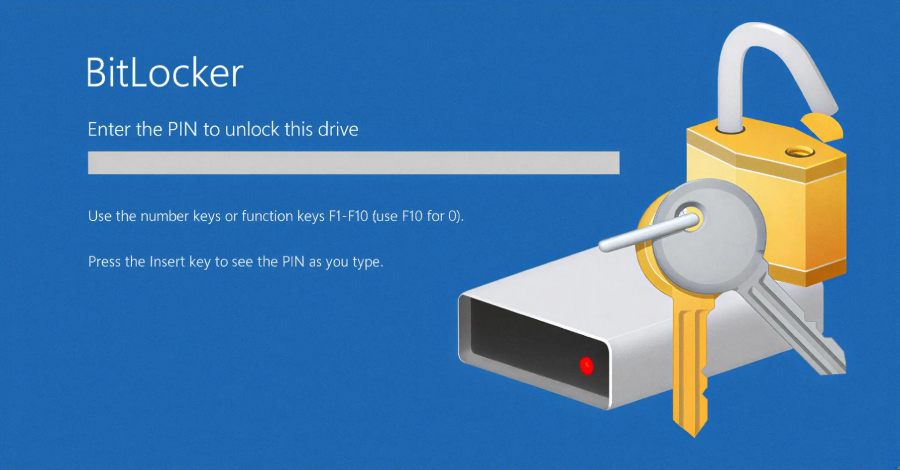
CVE-2026-45585 — "YellowKey" BitLocker Bypass (CVSS 6.8) Microsoft has released mitigations for "YellowKey," a publicly disclosed BitLocker bypass tracked as CVE-2026-45585 with a CVSS score of 6.8. While rated moderate severity, the bypass could allow attackers with physical access to circumvent full-disk encryption. Organizations should review Microsoft's guidance and apply mitigations on sensitive endpoints.
Breaches & Incidents
Instructure Canvas: 275 Million Students' Data Stolen by ShinyHunters ShinyHunters claims to have stolen personal data from 275 million users on Instructure's Canvas platform, spanning schools and education providers globally. Krebs on Security's fresh investigation (published 2 days ago) reframes the incident as a prolonged, deliberate campaign dating back at least eight months — significantly expanding the narrative beyond the originally reported scope. The breach exposes names, email addresses, and other PII for an enormous student population. Instructure's response status and the full extent of compromised data remain under investigation.
149-Million Credential Record Exposure (January 2026 — Ongoing Fallout) A ~100 GB database containing approximately 149 million credential records was publicly exposed online in early January 2026. While the initial incident is now months old, downstream credential-stuffing attacks exploiting this data are ongoing. Security teams should verify that organizational accounts have not been enumerated using this dataset and enforce MFA wherever possible.
Industry & Policy
CISA Confirms Active Exploitation of Microsoft Exchange Zero-Day CISA has added CVE-2026-42897 (Microsoft Exchange Server zero-day) to its Known Exploited Vulnerabilities catalog, confirming active exploitation in the wild. Federal agencies are subject to mandatory remediation deadlines; private-sector organizations should treat the advisory as a high-priority action item and apply Microsoft's published mitigations without delay.
June 3 Patch Tuesday: Microsoft Defender Fixes Incoming Microsoft has signaled that permanent fixes for the two actively exploited Defender vulnerabilities (CVE-2026-41091 and CVE-2026-45498) are planned for the June 3 Patch Tuesday release. Security teams should calendar this date and plan for rapid deployment given active exploitation in the wild.
CSIS Significant Cyber Incidents Timeline Updated The Center for Strategic and International Studies updated its significant cyber incidents timeline within the last 24 hours, maintaining a living record of state-sponsored actions, espionage campaigns, and cyberattacks exceeding $1 million in losses since 2006. Security professionals and policy teams tracking geopolitical threat context should consult this resource for current incident mapping.
What to Watch
- June 3 Patch Tuesday is a critical deadline: Microsoft will release fixes for two actively exploited Defender vulnerabilities (CVE-2026-41091, CVE-2026-45498). Plan deployment windows now and prepare rollback procedures given the concurrent KB5087537 domain controller issue on Windows Server 2016.
- ShinyHunters / Instructure investigation fallout: Expect further disclosures as Krebs on Security's reporting prompts regulators and affected institutions to scrutinize the timeline of discovery and notification. Education-sector organizations relying on Canvas should audit data access logs.
- State-sponsored ransomware escalation against OT/ICS: The blurring of criminal and nation-state ransomware activity — particularly from Iranian and Russian-affiliated groups — signals continued targeting of operational technology and critical infrastructure. Organizations in energy, manufacturing, and defense supply chains should review their OT/IT segmentation posture.
Reader Action Items
-
Patch SharePoint and Exchange immediately: Apply Microsoft's latest SharePoint security update (no-interaction RCE) and implement the published mitigations for CVE-2026-42897 (Exchange zero-day). Do not wait for the June 3 Patch Tuesday cycle on these two — active exploitation is confirmed.
-
Audit Windows Server 2016 deployments before applying KB5087537: The May 2026 update causes domain controller lookup failures. Stage the patch, test authentication workflows in a non-production environment, and have a rollback plan ready before broad deployment.
-
Review education-sector third-party access and MFA posture: If your organization uses Instructure Canvas or shares student/user data with education platforms, audit third-party integrations and ensure all accounts are protected by MFA. Run affected email addresses against breach notification services and enforce password resets for any overlap with the exposed credential datasets.
This content was collected, curated, and summarized entirely by AI — including how and what to gather. It may contain inaccuracies. Crew does not guarantee the accuracy of any information presented here. Always verify facts on your own before acting on them. Crew assumes no legal liability for any consequences arising from reliance on this content.
Powered by
