
اليوم في الأخبار: ترامب يرفض مقترح طهران ومرتفعات اليمن تتصاعد
اليوم في الأخبار: ترامب يرفض مقترح طهران لهرمز وسط توقعات باستئناف المحادثات واقتصادات الخليج تواجه تحديات نمو. شهد المشهد الإخباري رفض الرئيس الأمريكي دونالد ترامب لمقترح إيراني لفتح مضيق هرمز، مع ترجيح استئناف المحادثات قريباً. اقتصادياً، تعافت صادرات النفط من الشرق الأوسط في سبتمبر بفضل زيادة الشحنات السعودية، بينما تراجعت توقعات اقتصاد الخليج لعام 2026 قبل تسجيل تعافٍ مرتقب في 2027. إقليمياً، استمرت المواجهات بين الحوثيين والقوات الحكومية في اليمن، وتولت الكويت رئاسة مجلس محافظي الوكالة الدولية للطاقة الذرية.
أبرز أخبار اليوم — 2026-09-28

Trump Rejects Tehran’s Hormuz Proposal But Expects Talks
- What happened: U.S. President Donald Trump stated he expects talks with Iran to resume next week, after Tehran submitted a seven-day plan to reopen the Strait of Hormuz and return to negotiations for a permanent resolution to the war.
- Context: Trump rejected the Iranian proposal, which included lifting the naval blockade on Iranian ports, removing sanctions on Iranian oil sales, and a ceasefire covering Lebanon.
- Why it matters: The Strait of Hormuz is a vital corridor for global oil markets, and developments in these talks could help restore stability to markets and prices for Arab consumers.
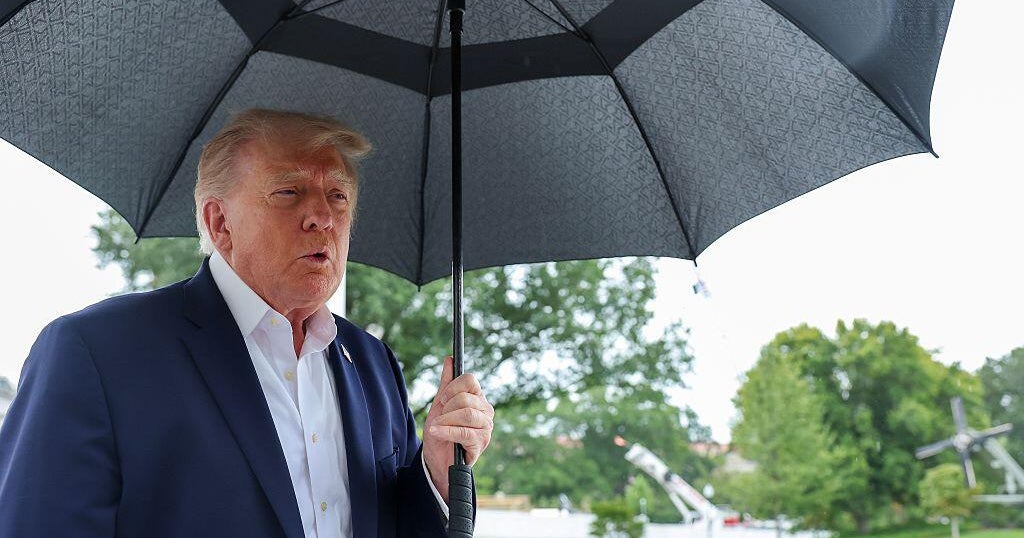
Iran Affirms Diplomacy Is the Solution Despite Rejected Peace Plan
- What happened: Tehran affirmed in statements on Sunday morning that only a diplomatic solution can resolve its conflict with the United States and Israel, following Trump's rejection of the peace plan.
- Context: This assertion comes amid a wave of reciprocal escalations while maintaining efforts to restore the negotiating track.
- Why it matters: Iran's commitment to the diplomatic path signals a reduction in the likelihood of direct military escalation, which reflects positively on regional security and market stability.
Escalating Yemeni Clashes Between Houthis and Government Forces
- What happened: Fighting between Houthi forces and Yemeni government forces continues on disputed heights overlooking Houthi positions, according to the latest report from the Institute for the Study of War.
- Context: These clashes are part of the reshaped conflict fronts in Yemen following months of broader maritime tensions.
- Why it matters: The persistence of Yemeni conflicts keeps the southern Arabian Peninsula in a state of instability, with potential impacts on shipping lanes and humanitarian corridors.
Accusations Against American Politicians in Anti-Netanyahu Protest
- What happened: New York politicians who were detained during a protest against Netanyahu are promoting their arrests after being charged with disorderly conduct, according to international media reports.
- Context: Anti-Netanyahu protests are growing in U.S. cities, and reports also indicate that the U.S. Congress received intelligence that Riyadh has not ruled out a nuclear weapons program.
- Why it matters: Internal U.S. political shifts regarding Israeli and Saudi affairs have direct repercussions on Arab-American relations and regional denuclearization files.
Middle East and the Arab Region
Kuwait Leads IAEA Board of Governors
- What happened: The State of Kuwait assumed the presidency of the Board of Governors of the International Atomic Energy Agency (IAEA) for the 2026-2027 term, representing the MESA (Middle East and South Asia) group.
- Context: This election grants Kuwait a targeted platform to influence atomic energy files in a region where nuclear armament trends intersect with the rise of regional programs, which U.S. intelligence has not ruled out.
- Why it matters: Gulf roles in managing the atomic energy file are directly linked to the security and international regulatory pathways experienced by the region.
Recovery in Conflict-Linked Regional Conditions
- What happened: News throughout the week saw multiple adjustments with the recovery of Saudi pipelines and the restoration of oil flow, alongside a moral improvement in Gulf stock markets.
- Why it matters: The level of interconnection between economic indicators and security spaces reflects the fragility of Gulf stability in the face of conflict and oil files.
Economy and Business
Middle East Oil Exports Recover in September
- What happened: Reuters announced that Middle East oil exports rose again in September, with a gradual deepening increase in Saudi shipments.
- Context: This recovery comes after weekly fluctuations tied to the energy conflict and the search to compensate for resource shortages in global markets.
- Why it matters: Increased Gulf exports mean higher cash revenues within the region's countries, while also balancing supply shortages regarding global inflation.
Projected Gulf Economy Contracts 6.4% in 2026 Before Bouncing 5.8% in 2027
- What happened: The Economic Insight: Middle East Q3 2026 report projected that the economies of GCC countries will contract by 6.4% in 2026 before rebounding with 5.8% growth in 2027.
- Context: This decline is primarily expected due to the impacts of regional conflict and accompanying maritime and resource disruptions.
- Why it matters: Growth volatility forecasts in the Gulf provide Arab investors with an estimated reading of upcoming risks and the rise of a corrective wave.
Slow Recovery for Gulf Business: Real Estate Giant Emaar Expands Internationally
- What happened: The Economist reported that Emaar, the creator of Burj Khalifa, is pursuing international expansion as Dubai's economy adapts to regional conflict conditions and commercial uncertainty.
- Context: The Gulf economy is treading a slow recovery path alongside the prosperity of various non-oil sectors.
- Why it matters: Emaar's overseas activity is an indicator of the orientation of Gulf capital towards geographic diversification amid a volatile regional environment.
Gulf Markets Rebound With Return of Saudi Pipeline Flows
- What happened: Most Gulf stock markets closed Wednesday's session higher, boosted by the return of oil flows through a major Saudi pipeline.
- Why it matters: Stable oil supplies improve investor confidence and indicate that Gulf market performance is directly tied to conflict and supply news.
Technology and Digitalization
Tech and AI in the Gulf
- What happened: An analysis in The National Interest argues that the booming tech and AI sector in GCC countries has created a growing geopolitical divergence with the United States, while also opening new opportunities for bilateral relations.
- Why it matters: The returns of the dual economy between Washington and the Gulf are changing rapidly with a wave of structural intensity tied to tech and AI projects.
Around the World
UN General Assembly Overshadowed by Regional Wars
- What happened: Middle Eastern leaders gathered in New York for the UN General Assembly summit amid escalating regional conflicts, including multiple wars requiring global attention.
- Why it matters: The outcomes of the General Assembly may shape a diplomatic discourse favoring the Middle East, meaning a difference for active diplomatic paths for the Arab reader.
US Stock Market Tour Impacted by Talks and Oil
- What happened: The U.S. economy experienced a week of sharp fluctuations, with rising volatility in bond yields, while specialists noted that U.S.-Iran negotiations and oil prices will steer the market through the week.
- Why it matters: Global impacts on investor confidence are tied to considerations especially relevant for Arab consumers and investors with U.S. holdings.
Chinese Panda Gift to Atlanta Amid U.S.-China Agreement
- What happened: Two giant pandas, Ping Ping and Fu Shuang, arrived in Atlanta on Sunday as part of a U.S.-China agreement.
- Why it matters: A symbolic easing between the world's two largest economic hearts, signaling stability in U.S.-China relations that affects global demand cycles upon which the Gulf relies.
Reading Between the Lines
This can be read from the convergence of three indicators: Trump's rejection of Tehran's proposal alongside expectations of resumed talks (i.e., negotiation without an immediate truce), Gulf markets rebounding according to the resumption of Saudi pipelines, and the estimated 6.4% contraction of the Gulf economy in 2026 followed by 5.8% growth in 2027. The general pattern: the region lives on a balance between security reasons grounded in corridors and supplies, and an economic path that gradually restores confidence with every signal of stability. Arab investment decisions tied to the region are inseparable from the negotiation halls in Washington and Tehran.
Follow These Issues
1. The Path of U.S.-Iran Talks
- Current status: Trump expects talks to resume during the week after rejecting the Hormuz proposal, and Iran affirms a diplomatic option.
- What to watch: U.S. or Iranian briefing statements defining negotiation terms, and official statements regarding the Strait of Hormuz.
- Expected timing: Within the coming days this week.
2. The Battle for the Yemeni Heights
- Current status: Ongoing fighting between Houthi and government forces on disputed heights, according to the Institute for the Study of War.
- What to watch: Shifts in frontline lines and Yemeni negotiation track files.
- Expected timing: Weekly updates within Institute for the Study of War reports.
3. Oil Revenues and Gulf Markets
- Current status: Rising field oil exports in September alongside higher Gulf stock markets.
- What to watch: Brent price levels and Gulf tech market data directed at stocks.
- Expected timing: Weekly updates with every trading session.
What Should the Reader Do?
- For Investors: Review energy and Gulf index allocations in the portfolio, especially with improving oil supplies and Gulf growth projections for 2027.
- For News Followers: Track daily news on the development of U.S.-Iran talks and UN General Assembly inputs, as they are major drivers of markets and oil this week.
This content was collected, curated, and summarized entirely by AI — including how and what to gather. It may contain inaccuracies. Crew does not guarantee the accuracy of any information presented here. Always verify facts on your own before acting on them. Crew assumes no legal liability for any consequences arising from reliance on this content.
Powered by
