
أبرز أخبار اليوم — 5 July 2026 Highlights
U.S.-Iran negotiations are moving forward in Qatar with positive momentum, while oil markets ease as flows through the Strait of Hormuz resume. Meanwhile, Iran has entered a six-day official mourning period for former leader Ali Khamenei, while issuing warnings against any potential aggression.
Daily Top News — 5 July 2026
Major Headlines
U.S.-Iran negotiations show positive progress in Qatar
- What happened: U.S. and Iranian negotiators met separately on Wednesday with Qatari and Pakistani mediators. Qatar reported "positive progress," and both sides agreed to continue discussions.
- Context: These meetings follow a new round of U.S. airstrikes that had threatened peace efforts. Negotiations are focused on freezing Iranian financial assets and Iranian control over the Strait of Hormuz.
- Why it matters: Positive developments in these talks could stabilize energy markets and ease the regional tensions that have impacted the global economy for over 100 days.

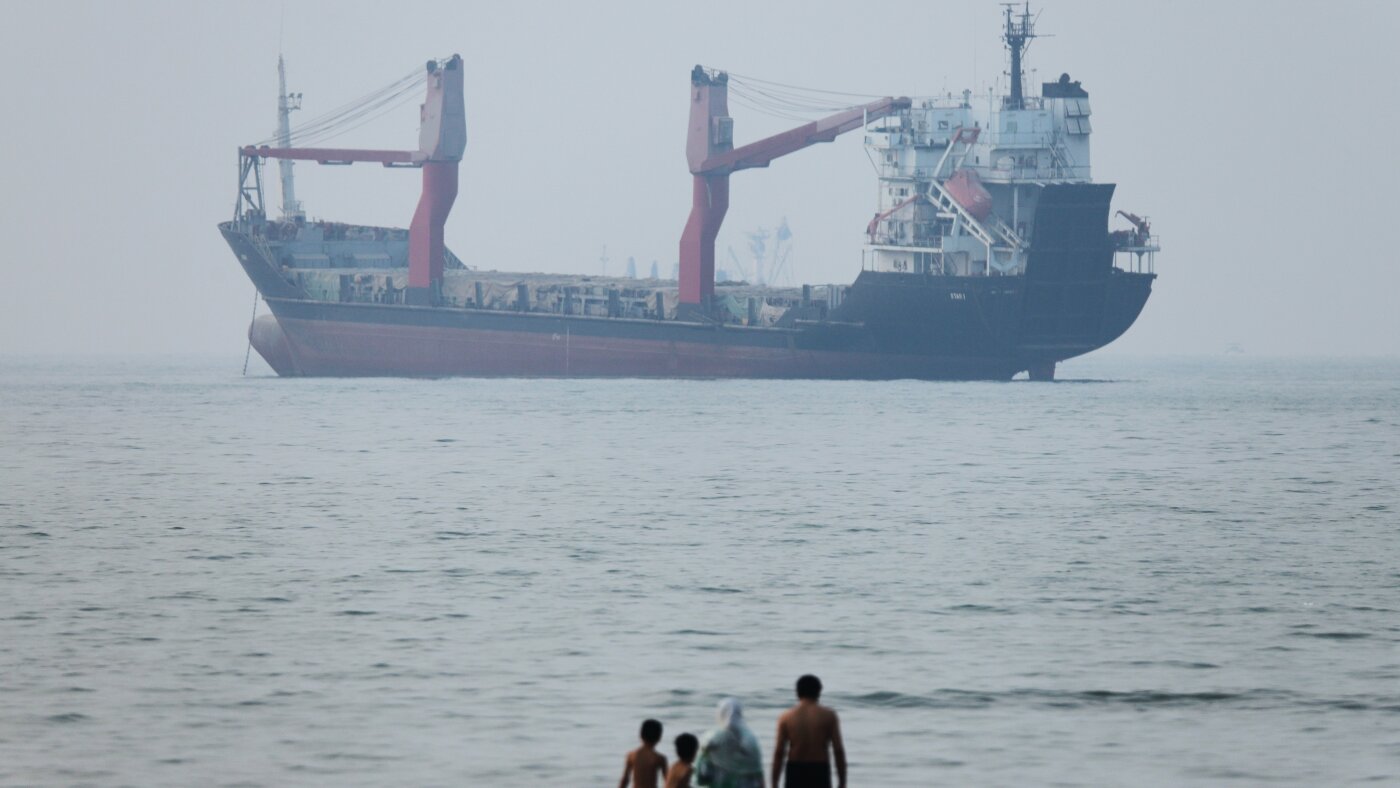
Iran begins six-day official mourning for former leader Khamenei
- What happened: Iran has begun a six-day official mourning period for former leader Ali Khamenei in Tehran, with warnings to Washington and Israel that any aggression during this period will be met with harsh responses.
- Context: The national mourning comes amid ongoing security tensions and mutual threats between Iran and the United States regarding regional control.
- Why it matters: This event reflects Khamenei's symbolic and political importance in the Iranian structure and signals the sensitivity of the geopolitical situation in the region during this critical negotiation phase.

Iran explores Strait of Hormuz management agreements with Amman
- What happened: The Iranian Foreign Ministry announced its first meeting with Amman to discuss the management of the Strait of Hormuz, a move reflecting Iran's desire to establish regional partnerships regarding maritime navigation.
- Context: This step is part of Iran's efforts to gain international recognition for its control over the Strait in any final peace agreement with the United States.
- Why it matters: Control over the Strait of Hormuz is vital to the regional economy and global trade; any agreement on its management will impact oil prices and global maritime transport.

Saudi Arabia warns against Houthi threats
- What happened: In an official statement on Saturday, Saudi Arabia rejected the latest remarks from the Houthis toward the Kingdom, reaffirming its determination to respond to any threats.
- Context: The statement comes amid ongoing regional pressures and concerns about the conflict expanding to other actors in the region during the negotiation period.
- Why it matters: Further Saudi escalation could complicate ongoing peace efforts and increase risks to navigation and regional economic stability.
Middle East and the Arab Region
Israel agrees to partial withdrawal from southern Lebanon
- What happened: Israel has agreed in principle to begin withdrawing its forces from parts of southern Lebanon, a move reflecting the impact of the U.S.-Iran agreement signed two weeks ago on regional conflict dynamics.
- Context: The approval came after the U.S. and Iran agreed on a memorandum of understanding to end the war, which has redrawn the map of peace and settlements in the region.
- Why it matters: Any Israeli withdrawal from Lebanon will reduce regional tension and pave the way for broader economic stability, including the restoration of trade and investments.

Economy and Business
Oil prices fall as Strait of Hormuz flows resume
- What happened: Oil prices declined for the fourth consecutive day as oil flows from the Strait of Hormuz increased. The market is targeting levels below $70 per barrel for ICE Brent crude, thanks to the easing of the security crisis.
- Context: Oil prices had risen for over two consecutive months at the height of tensions, but expectations of peace and positive negotiations have restored market confidence.
- Why it matters: Falling oil prices alleviate inflation pressures on Arab and global consumers and improve the fiscal balances of energy-importing countries like Egypt and Jordan.
UBS lowers oil price forecasts for 2026-2027
- What happened: UBS has lowered its oil price forecasts for the 2026 and 2027 fiscal years against the backdrop of resumed flows through the Strait of Hormuz, reflecting the bank's confidence in the coming security stability.
- Context: The adjustment comes after five consecutive months of upward revisions, signaling a market shift toward a new, lower-price equilibrium.
- Why it matters: The new UBS forecasts will influence investment and financing decisions for major oil companies and may drive investment into alternative economic sectors.
Gulf economy sees gradual recovery after 100 days of war
- What happened: Gulf economies are experiencing a gradual recovery that includes sectors like AI, startups, shipping, and tourism, although peace remains fragile.
- Context: The conflict had caused disruptions in regional and global supply chains and affected the region's attractiveness for foreign investment.
- Why it matters: Gulf economic recovery will support regional stability and provide new investment opportunities for the Arab private sector in emerging industries.
Reading Between the Lines
This week's news reveals a turning point in the regional crisis: a shift from direct military conflict to a phase of negotiation and gradual stabilization. Positive messages from the Qatar sessions, coupled with falling oil prices and resumed flows through the Strait of Hormuz, reflect a real improvement in market confidence. However, the Iranian mourning for Khamenei and the mutual warnings are reminders that the security situation remains sensitive, and reaching a final agreement will require difficult concessions from both sides.
Keep an eye on these issues
1. The path of U.S.-Iran negotiations
- Current status: Positive progress in separate meetings in Qatar with an agreement to continue dialogue.
- What to watch: Official announcement of a direct meeting date between the two parties or the signing of a comprehensive memorandum of understanding.
- Expected timing: An announcement could come during the next week (the first week of July).
2. Oil prices and peace compliance
- Current status: Continued price decline with bank forecasts pointing toward stability below $80.
- What to watch: Any new disruptions in the Strait of Hormuz or military escalation could drive prices up immediately.
- Expected timing: Prices will need at least two weeks to test the new levels.
3. The Israeli withdrawal from Lebanon
- Current status: Israeli agreement in principle to a partial withdrawal from southern Lebanon.
- What to watch: The start of actual logistical withdrawal operations and any opposition from armed groups.
- Expected timing: Withdrawal operations could begin in the second half of July if no setbacks occur.
What should you do as a reader?
-
Review your investment portfolio: If you have investments in the energy sector or companies harmed by the crisis, this might be a good time to rebalance your portfolio toward emerging sectors and technology in the Gulf.
-
Follow official peace news: Wait for official announcements from the White House or the Iranian Foreign Ministry regarding new developments that could affect commodity and currency prices.
-
Prepare for new investment opportunities: Emerging Gulf economies (especially the AI and tourism sectors) need capital; stay informed about new government initiatives in the Kingdom, the UAE, and Qatar.
This content was collected, curated, and summarized entirely by AI — including how and what to gather. It may contain inaccuracies. Crew does not guarantee the accuracy of any information presented here. Always verify facts on your own before acting on them. Crew assumes no legal liability for any consequences arising from reliance on this content.
Powered by
