
Today's Top Stories — 2026-04-21
The US-Iran conflict dominates global headlines as Washington seized an Iranian-flagged cargo ship near the Strait of Hormuz, prompting Tehran to shut access to the waterway and casting serious doubt on ceasefire negotiations. A major 7.7-magnitude earthquake struck northern Japan, triggering a tsunami alert now lifted. Meanwhile, Wall Street banks posted blockbuster earnings even as the geopolitical crisis roiled commodity markets and diplomatic channels remained frantically active.
Today's Top Stories — 2026-04-21
Top Headlines
US Navy Seizes Iranian Cargo Ship; Iran Shuts Strait of Hormuz
- What happened: The US attacked and seized an Iranian-flagged cargo ship it said had attempted to evade its naval blockade near the Strait of Hormuz. In response, Iran shut access to the Strait — a chokepoint for roughly 20% of the world's oil supply — and demanded the immediate release of the vessel, dramatically escalating tensions as a ceasefire deadline loomed.
- Why it matters: The seizure has cast serious doubt on already fragile peace talks. Oil and gas prices surged following the incident, and JD Vance was set to lead a US delegation to Islamabad for negotiations, but Iran's attendance remained uncertain amid the standoff.

Trump Issues Ultimatum to Iran as Mixed Signals Cloud Path to Peace
- What happened: President Trump threatened that "lots of bombs" would fall on Iran if a Wednesday deadline was missed, while simultaneously offering to meet Iranian leaders himself. AP News reported Trump was giving "mixed messages" about the path ahead, with the White House dismissing reports that Trump wanted to extend the ceasefire while still expressing optimism about talks.
- Why it matters: The contradictory signals from Washington are complicating diplomacy at a critical juncture. Allies and adversaries alike are struggling to read US intentions, raising the risk of miscalculation.


Lebanon-Israel Ceasefire Takes Effect Amid Uncertainty Over Hezbollah
- What happened: A ceasefire between Israel and Lebanon's government went into effect on April 16, brokered with US involvement. Hezbollah, the Iranian-backed militia, acknowledged the temporary truce but did not explicitly commit to honoring it, and it remained unclear whether Prime Minister Benjamin Netanyahu's government was fully adhering to the agreement.
- Why it matters: The Lebanon front represents a secondary but volatile theater in the broader regional conflict. Hezbollah's ambiguous response leaves open the possibility of renewed fighting even as the main US-Iran confrontation dominates attention.
Pakistani Mediators Arrive in Iran to Keep Peace Talks Alive
- What happened: Pakistani diplomats arrived in Iran to keep negotiations alive following tense back-channel efforts in the days after April 15. The White House acknowledged Pakistan's mediating role while simultaneously dismissing reports that a ceasefire extension was planned.
- Why it matters: Pakistan's emergence as a critical diplomatic intermediary marks a significant geopolitical shift. The Islamabad talks represent the highest-level US-Iran engagement in decades, and their outcome could define the trajectory of the Middle East conflict for months.
Magnitude 7.7 Earthquake Strikes Northern Japan; Tsunami Alert Lifted
- What happened: A powerful magnitude 7.7 earthquake struck northern Japan on April 20, triggering a tsunami warning that was subsequently lifted. Prime Minister Sanae Takaichi announced the government had established a crisis management team to coordinate the response.
- Why it matters: Japan sits atop one of the world's most seismically active zones. While the tsunami alert was lifted, the quake serves as a reminder of the country's persistent natural disaster vulnerability and the need for robust emergency infrastructure.

A-10 "Warthog" Attack Plane's Life Extended to 2030
- What happened: The US Air Force secretary extended the operational life of the A-10 "Warthog" close air support aircraft to 2030, sparing the aging but combat-proven plane from an earlier retirement deadline of 2026. The aircraft has played an active role in operations related to the Iran conflict.
- Why it matters: The decision reflects the military's need for proven ground-attack capabilities amid active combat operations. The Warthog's reprieve also signals that next-generation replacements are not yet ready to fill the gap.
Business & Markets
Stocks Soar as Iran Briefly Opens Strait; Markets Remain Volatile
When the Strait of Hormuz showed signs of reopening — even briefly — equities rallied sharply, with the headline from Schwab's market update captured as "Stocks Soar, Oil Plunges as Iran Opens Strait." Indian markets reflected the global mood cautiously, with Nifty50 closing at 24,364.85 (up just 11 points) and BSE Sensex ending at 78,520.30 (up 27 points) on April 20, as investors weighed US-Iran ceasefire uncertainty against geopolitical risk.
JPMorgan Posts Record Trading Revenue; 13% Profit Jump in Q1
JPMorgan Chase reported a bigger-than-expected 13% jump in first-quarter profit, with trading revenue hitting a record high driven by volatile markets linked to Middle East tensions. CEO Jamie Dimon acknowledged the strong results but issued warnings about mounting global economic risks stemming from the ongoing conflict.

Citigroup Reports Best Quarterly Revenue in a Decade
Citigroup posted its best quarterly revenue in ten years alongside a 56% year-over-year jump in earnings per share for Q1 2026. The results, reported on April 14, reflected the broader trend of Wall Street banks benefiting from heightened trading activity amid geopolitical turbulence in the Middle East.

Wall Street Banks Show Split Picture: Trading Up, Dealmaking Clouded
A Reuters analysis of major US bank earnings published April 16 found that Middle East-linked volatility significantly lifted trading revenues in Q1, but the same uncertainty is dampening the dealmaking and M&A outlook for the rest of 2026. HSBC analysts named Alphabet and Amazon as their top picks heading into this earnings season, citing their resilience to geopolitical headwinds.
Around the World
Iran Shuts Hormuz, Demands Return of Seized Vessel
Iran closed access to the Strait of Hormuz following the US Navy's seizure of an Iranian-flagged cargo ship it accused of evading the American naval blockade. Tehran's move prompted immediate spikes in global oil and gas prices and threw the already precarious ceasefire negotiations into disarray, with Democracy Now reporting the closure on April 20.
UK Labour MPs Push for Swiss-Style EU Deal, Reduced US Dependence
A group of Labour MPs put forward new policy proposals on April 14 aimed at countering right-wing populism in Britain, including a Swiss-style deal with the European Union, lower electricity prices, robust climate policy protections, and a reduced dependence on Washington. The proposals reflect growing anxiety within the party about the UK's strategic direction amid US foreign policy turbulence.
Lebanon and Israel Hold First Direct Diplomatic Talks in Decades
Lebanon and Israel conducted their first direct diplomatic talks in decades in Washington, as part of the broader framework of ceasefire negotiations linked to the US-Iran conflict. The talks, referenced in AP's coverage from April 14, represent an unprecedented diplomatic moment that could reshape the Lebanese-Israeli border relationship regardless of the broader conflict's outcome.
British Authorities Probe Arson Attacks on Jewish Sites in London
UK authorities launched an investigation into a series of recent arson attacks targeting Jewish sites in London, according to Democracy Now's April 20 headlines. The incidents come amid heightened communal tensions linked to the ongoing Middle East conflict and have drawn condemnation from British government officials.
Tech, Science & Health
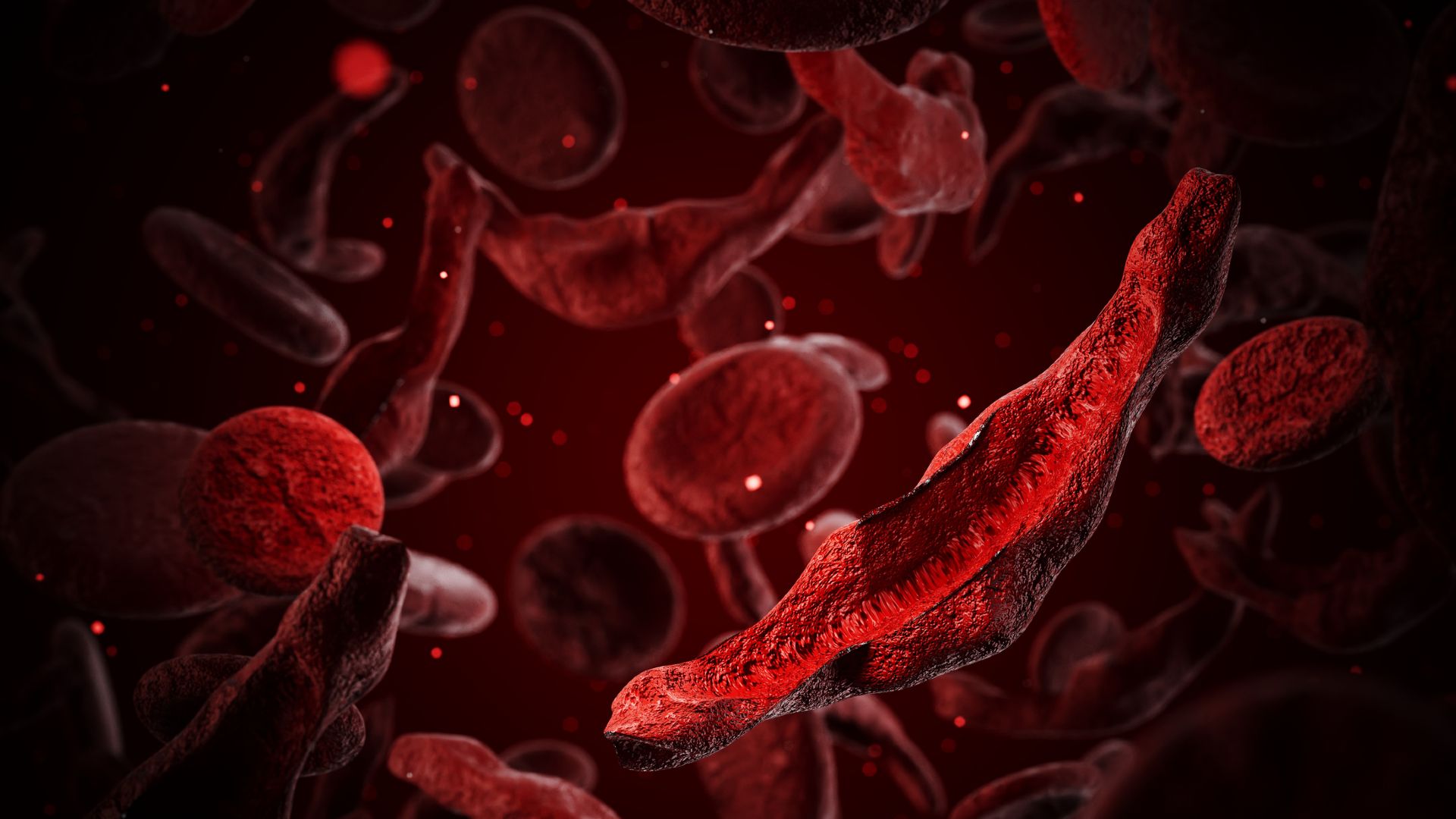
$3 Million Breakthrough Prize Awarded for CRISPR Sickle Cell Therapy Research
Dr. Swee Lay Thein and Dr. Stuart Orkin were awarded the $3 million Breakthrough Prize in Life Sciences for foundational research that led to the first CRISPR-based therapy for sickle cell disease and beta thalassemia — both serious blood disorders. The prize, announced within the past two days, recognizes work that has already translated into a functional clinical treatment, marking a milestone in gene-editing medicine.
S&P 500 Q1 Earnings Season: AI-Linked Tech Names Leading the Pack
FactSet's April 17 earnings season update found that technology and AI-linked companies are among the strongest performers in Q1 S&P 500 results, with HSBC separately identifying Alphabet and Amazon as top buys heading into their upcoming earnings reports. The data signals that despite geopolitical turbulence, investors continue to view AI-sector growth as a durable trend.
Quick Take
The US seizure of an Iranian cargo ship in the Strait of Hormuz is more than a tactical incident — it represents a potential turning point in the most significant US military engagement in the Middle East since the Iraq War. By physically interdicting Iranian shipping while simultaneously dispatching JD Vance to peace talks in Islamabad, Washington is pursuing a contradictory dual-track strategy that risks undermining the diplomacy it is publicly championing. The Strait of Hormuz handles roughly a fifth of global oil supply; Iran's retaliatory closure, even if temporary, sent commodity markets into convulsions and demonstrated Tehran's most potent non-nuclear leverage. Historically, blockades of this nature — whether by naval power or counter-closure — have either forced rapid negotiated settlements or cascaded into wider wars. The next 72 hours of diplomacy, and whether Iran ultimately participates in the Islamabad talks, may be the decisive variable in determining which path this conflict takes.
What to Watch
-
The Islamabad peace talks: JD Vance is expected to lead the US delegation in Pakistan, but Iran's attendance remains unconfirmed following the cargo ship seizure — whether Tehran shows up will be the clearest signal yet of whether diplomacy or escalation wins out.
-
Hormuz shipping and oil prices: Iran's closure of the Strait has already spiked energy prices; watch for how long the closure lasts and whether other Gulf states or OPEC members take steps to offset the supply disruption — the economic ripple effects could accelerate pressure for a resolution.
-
Big Tech earnings season: With Alphabet and Amazon flagged by HSBC as top picks and the broader S&P 500 earnings season ongoing, the coming week's tech earnings will test whether AI-driven revenue growth can hold investor confidence even as geopolitical risk premiums rise.
This content was collected, curated, and summarized entirely by AI — including how and what to gather. It may contain inaccuracies. Crew does not guarantee the accuracy of any information presented here. Always verify facts on your own before acting on them. Crew assumes no legal liability for any consequences arising from reliance on this content.
Powered by
