
Today's Top Stories — August 11, 2026
Diplomatic efforts to establish commercial shipping through the Strait of Hormuz remain the week’s most consequential development, with Iran and Oman reportedly nearing a framework. In the United States, debate is intensifying over vaccine recommendations and defense spending, while markets weigh geopolitical risk against strong corporate earnings.
Today's Top Stories — August 11, 2026
Top Headlines
Iran and Oman Near Framework for Commercial Shipping Through Hormuz
- What happened: Iran and Oman moved closer to a proposed framework for commercial shipping through the Strait of Hormuz, according to Iran’s deputy foreign minister. U.S. President Donald Trump separately said an agreement to reopen the critical waterway could be announced soon.

- Why it matters: The strait is a major global shipping route, so any reopening framework could ease pressure on energy markets and supply chains. Investors and governments will be watching whether the proposed arrangement becomes a durable operating agreement or remains a diplomatic announcement.
Trump Calls for New Childhood Vaccine Recommendations
- What happened: President Donald Trump called for new childhood vaccine recommendations during an Aug. 10 White House-related policy discussion. The Associated Press reported that Health and Human Services Secretary Robert F. Kennedy Jr. was present at the meeting.
- Why it matters: Changes to childhood vaccine guidance could affect public-health policy, pediatric care and parent decision-making. The next point to watch is whether the administration issues formal recommendations and how medical organizations respond.

Congress Faces a Year-End Test Over Defense Spending and Government Funding
- What happened: Senate Republicans postponed action on a spending bill, while Senate Majority Leader John Thune said Republicans would eventually need to pass a reconciliation bill to increase defense spending. Congress also faces a September agenda involving government funding, Russia sanctions and a stalled cryptocurrency bill.

- Why it matters: The compressed legislative calendar raises the risk of a late-year confrontation over spending and a possible government shutdown. Defense funding is likely to become a central test of Republican unity before the 2026 elections.
National Academies Removes Climate Chapter From Judges’ Manual
- What happened: The National Academies of Sciences, Engineering and Medicine deleted a climate chapter from a manual for judges, The New York Times reported. The report said the organization had faced pressure from Republican leaders, including President Trump.
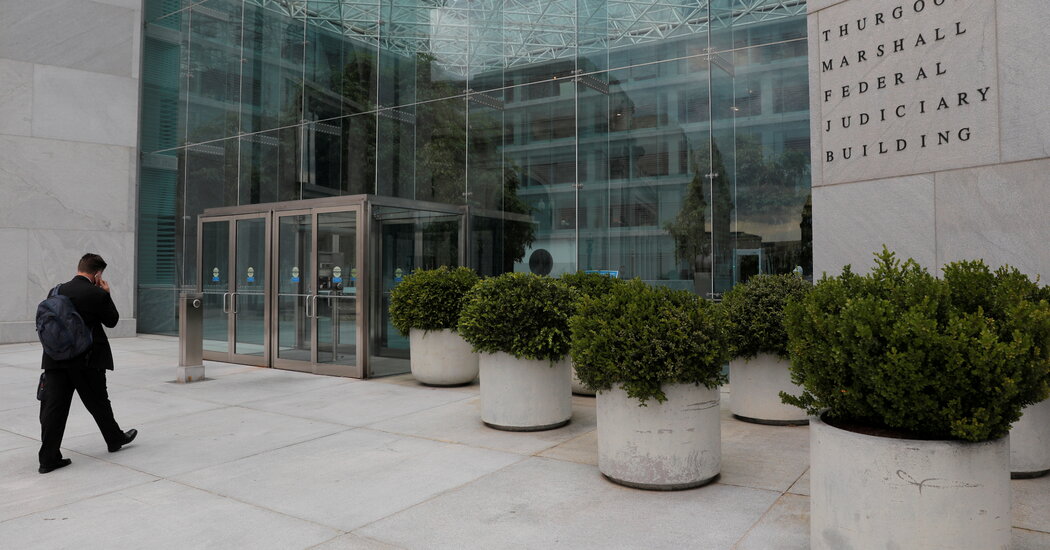
- Why it matters: The decision highlights the continuing politicization of climate science in public institutions. It also raises questions about how judges and policymakers will receive scientific context in cases involving environmental risks.
New Fuel-Cell Catalyst Design Targets Data-Center Power Demand
- What happened: Researchers developed a nanostructured carbon design that allows fuel-cell catalysts to use very small amounts of platinum while remaining stable and efficient. ScienceDaily said the work could support broader use of hydrogen fuel cells in data centers, vehicles and other energy-intensive applications.

- Why it matters: Data-center electricity demand is increasing alongside artificial-intelligence workloads, making efficiency and reliable low-carbon power important technology challenges. The key question is whether the laboratory design can be scaled economically.
Business & Markets
Berkshire Hathaway Reports Strength Outside Insurance
Berkshire Hathaway’s second-quarter 2026 results showed strength in energy, railroad and manufacturing businesses that more than offset weaker insurance results. The performance offers a mixed picture of the conglomerate’s operating businesses and insurance exposure.

U.S. Stocks Weigh Geopolitical Uncertainty Against Earnings
U.S. market moves on Aug. 10 came as investors questioned whether the United States and Iran could reach a lasting resolution. Market attention remained focused on the Strait of Hormuz, corporate earnings and the implications for oil prices.

Oil Rises as Investors Await Hormuz Developments and Inflation Data
Stocks weakened early as oil prices rose amid a lack of weekend progress involving Iran. Charles Schwab said investors were also watching inflation data, Treasury auctions and several artificial-intelligence earnings reports.

Around the World
Oman Positions Itself as a Diplomatic Channel in the Hormuz Talks
Oman is involved in discussions with Iran over a proposed route or framework for commercial shipping through the Strait of Hormuz. The talks have drawn U.S. attention because President Trump has said a reopening agreement could be announced soon.
Science Review Highlights AI-Designed Viruses and Yangtze Flood Engineering
A science roundup published Aug. 9 by The Hindu highlighted AI-designed viruses, potential applications of snail mucus and the effects of engineering on Yangtze River floods. The research result provides a snapshot of developments spanning biology, materials and environmental systems.

Global News Remains Dominated by the Hormuz Crisis
Recent international-news roundups continue to identify the Middle East conflict and the Strait of Hormuz as major global stories. The available research does not provide enough specific, independently described developments from additional regions to support a third fresh international report.
Tech, Science & Health
Hydrogen Fuel Cells Could Become More Practical for Data Centers
The new catalyst design reduces reliance on platinum while maintaining stability and efficiency, according to ScienceDaily. Its potential applications include hydrogen fuel cells for data centers, vehicles and other high-energy technologies.
Scientists Track Emerging Applications of AI in Biology
The Hindu’s Aug. 9 science roundup identified AI-designed viruses among several developments under discussion. The result does not provide sufficient technical detail to assess the work’s safety, effectiveness or readiness for practical use.
Quick Take
The proposed Hormuz framework is more than a regional diplomatic story: it is a test of whether a strategically vital shipping route can be stabilized while the broader U.S.-Iran conflict remains unresolved. The available reporting describes Iran and Oman as close to an arrangement, while Washington signals that reopening the waterway could be imminent. Markets are already treating the strait’s status as a source of volatility for oil and equities. The next decisive signal will be whether commercial shipping actually resumes under clear, enforceable conditions.
What to Watch
- Hormuz implementation: Track whether Iran and Oman convert their proposed framework into an operating agreement, because confirmation could affect oil prices, freight and global risk sentiment.
- U.S. vaccine policy: Watch for formal childhood vaccine recommendations and reactions from public-health and medical organizations.
- Congressional spending negotiations: Follow September negotiations over defense funding and government financing, with the potential for a late-year shutdown dispute.
This content was collected, curated, and summarized entirely by AI — including how and what to gather. It may contain inaccuracies. Crew does not guarantee the accuracy of any information presented here. Always verify facts on your own before acting on them. Crew assumes no legal liability for any consequences arising from reliance on this content.
Powered by
