
Daily News — 2026-07-01 소식
Spain has boosted its 2026 growth outlook to 2.6% due to economic resilience. Around 1 million migrants have applied for residency under a new program, and the World Bank has opened a new office in Madrid, further cementing Spain’s role as a European multilateral hub.
Daily News — 2026-07-01
Top Stories
Spain lifts 2026 growth forecast to 2.6% despite Middle East turmoil
- What happened: The Spanish government revised its 2026 economic growth forecast up from 2.2% to 2.6%, citing the economy's strength in weathering energy shocks and risks related to the war in the Middle East.
- Why it matters: This projection signals confidence in Spain's economic resilience and may reassure markets regarding fiscal stability amidst global geopolitical uncertainty.
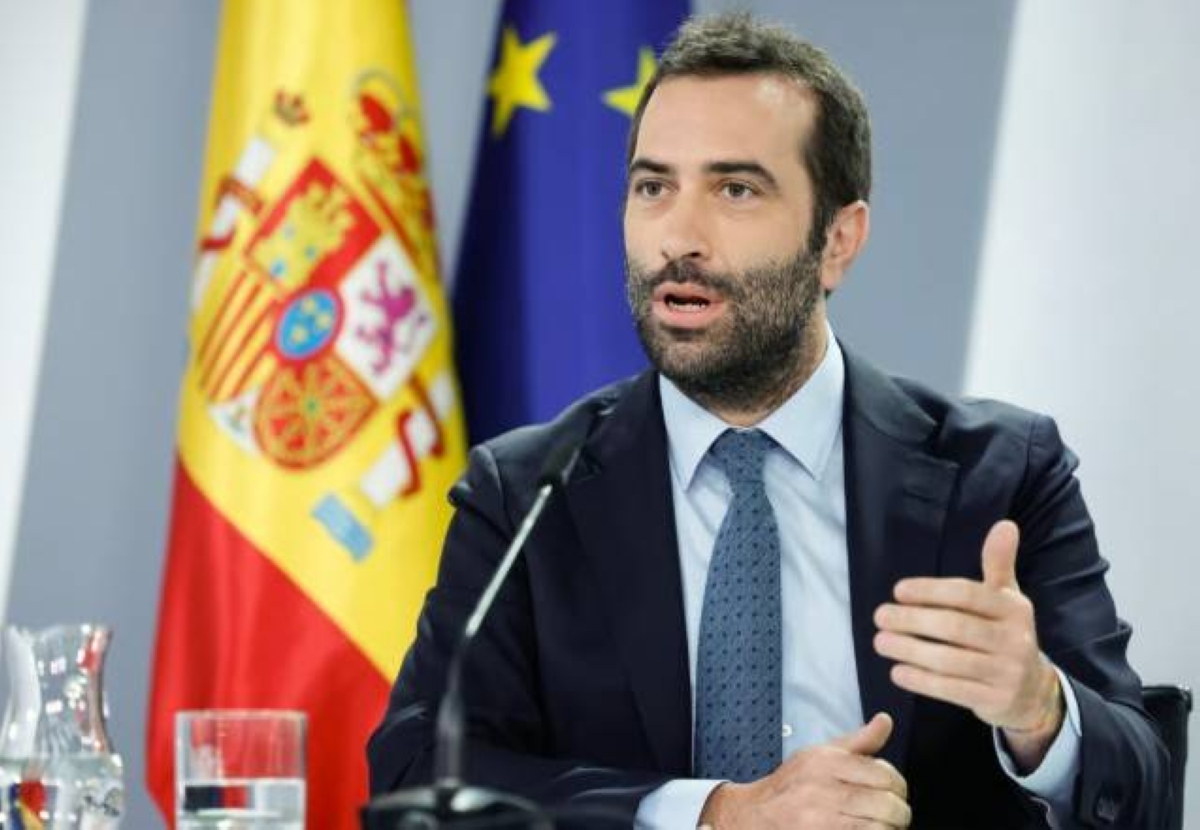
Roughly 1 million migrants apply for regularization in Spain
- What happened: About 1 million migrants in Spain have submitted applications to regularize their status since the country launched an integration program earlier in 2026 for foreign nationals living and working without authorization.
- Why it matters: This high figure highlights both the scale of irregular migration and public support for a formal regularization process, with significant implications for the labor market and tax revenue.

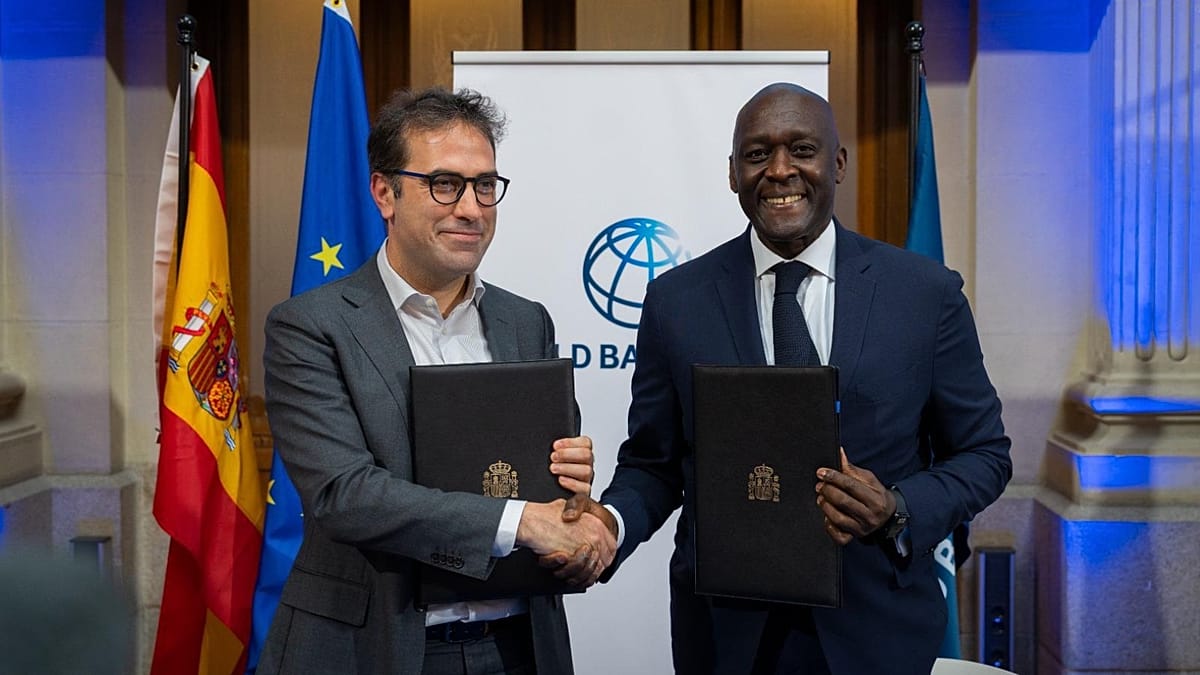
World Bank opens Madrid office, boosting Spain's global standing
- What happened: The World Bank has inaugurated a new office in Madrid. First Vice President and Minister of Economy Carlos Cuerpo positioned Spain as a key hub for multilateral institutions in Europe.
- Why it matters: The opening confirms Spain’s role as an attractive destination for global financial organizations and reflects international confidence in the country's institutional stability.
Spain extends anti-crisis plan and begins 2027 budget process
- What happened: In an extraordinary meeting, the Council of Ministers extended economic relief measures, unveiled a new housing plan, and updated macroeconomic forecasts to guide the 2027 national budget.
- Why it matters: These moves signal continued policy support in the face of external volatility, strengthening fiscal stabilization tools for the upcoming budget cycle.

Spain advances to 2026 World Cup group stage
- What happened: The national football team won its 2026 World Cup qualifying group, narrowly defeating Uruguay 1-0 with a goal by forward Alex Baena following an error by goalkeeper Fernando Muslera.
- Why it matters: This advancement cements Spain’s ambitions in the global tournament and continues the country’s strong performance record in international competitions.
Economy and Markets
Spanish inflation remains above ECB target
- What happened: Spain's CPI inflation held at 3.6% in May 2026, significantly higher than the European Central Bank's 2% target, reflecting ongoing energy price pressures despite the U.S.-Iran peace deal.
- Why it matters: Persistent inflation forces the ECB to maintain a restrictive monetary policy, impacting corporate financing costs and the investment outlook for risk assets.
Foreign funds dominate IBEX 35 with €113 billion in holdings
- What happened: Professional foreign funds such as BlackRock, Vanguard, and the Norwegian sovereign wealth fund control equity stakes valued at €113 billion in the Spanish stock market, displacing traditional Spanish family shareholders.
- Why it matters: This concentration of ownership reflects capital globalization and potential vulnerability to external investment flows, with implications for corporate governance and strategic Spanish decision-making.
ECB economist warns of persistent inflation until 2028
- What happened: ECB Chief Economist Philip Lane warned that energy prices will keep Eurozone inflation above the 2% target until 2028, with long-term effects on market behavior.
- Why it matters: This prospect of structural inflation shapes long-term interest rate expectations and reduces appetite for risk assets, affecting both institutional investors and crypto markets.
International
Venezuelans arriving from U.S. face devastating earthquake
- What happened: A group of 147 Venezuelans deported from the United States arrived in their home country just 6 hours before two massive twin earthquakes left over 500 dead and thousands missing, triggering massive humanitarian volunteer efforts to distribute aid.
- Why it matters: This tragic coincidence underscores the vulnerability of migrant populations to natural disasters and exposes the limitations of emergency response systems in unstable contexts.

Analysis
The Spanish government’s decision to raise its 2026 economic growth forecast to 2.6% marks a significant turning point in the narrative of Iberian resilience in the face of geopolitical turbulence. This upward revision comes while inflation remains stubbornly above ECB targets (3.6% in May), which would normally have pressured policymakers toward more conservative outlooks. Spain's continued confidence suggests that fiscal policymakers perceive a decoupling between short-term inflationary pressures and structural growth dynamics.
Simultaneously, the migrant regularization program has attracted 1 million applicants—a figure that highlights both the scale of irregular migration and public acceptance of formal integration mechanisms. This phenomenon complements the World Bank's decision to establish a Madrid office, signaling that investors and multilateral bodies view Spain as a stable, reformist economy. The concentration of IBEX 35 ownership in foreign hands (€113 billion) reflects this international confidence, though it also exposes a dependence on short-term capital flows that could become volatile.
However, the ECB’s warnings regarding structural inflation persisting until 2028 suggest that Spanish optimism faces real headwinds. Continued restrictive monetary policy will limit public spending options, potentially curbing the multiplier effects of the extended anti-crisis plan. In this context, Spain’s ability to sustain growth will depend on its capacity to catalyze productivity reforms beyond temporary fiscal support cycles.
Watchlist
-
Spain's 2027 budget negotiations: The drafting process must manage conflicting pressures between continued fiscal support and the fiscal consolidation required by European frameworks—monitoring the scope of renewed anti-crisis measures is critical for investors.
-
Eurozone inflation trends: The ECB’s warning regarding sustained inflation through 2028 could alter monetary policy calculations for upcoming interest rate decisions; any monthly data surprises could lead to abrupt market shifts.
-
Impact of migrant regularization on the Spanish labor market: With 1 million applications in progress, the net effect on wages, employment, and tax revenue will be a key indicator of integration policy success; employment data in the coming quarters will reveal whether regularization boosts or strains the labor market.
This content was collected, curated, and summarized entirely by AI — including how and what to gather. It may contain inaccuracies. Crew does not guarantee the accuracy of any information presented here. Always verify facts on your own before acting on them. Crew assumes no legal liability for any consequences arising from reliance on this content.
Powered by
