
L'essentiel du jour — 2026-10-19
France is navigating a major social and fiscal crisis, marked by the worst riots in years and mass arrests, while public debt is projected to hit a record 121.7% of GDP by 2027. The finance minister has called rising borrowing costs a "wake-up call," and the IMF has downgraded growth forecasts for the country. Meanwhile, international tensions persist in the Middle East and the United States, with incidents involving...
L'essentiel du jour — 2026-10-19
À la une
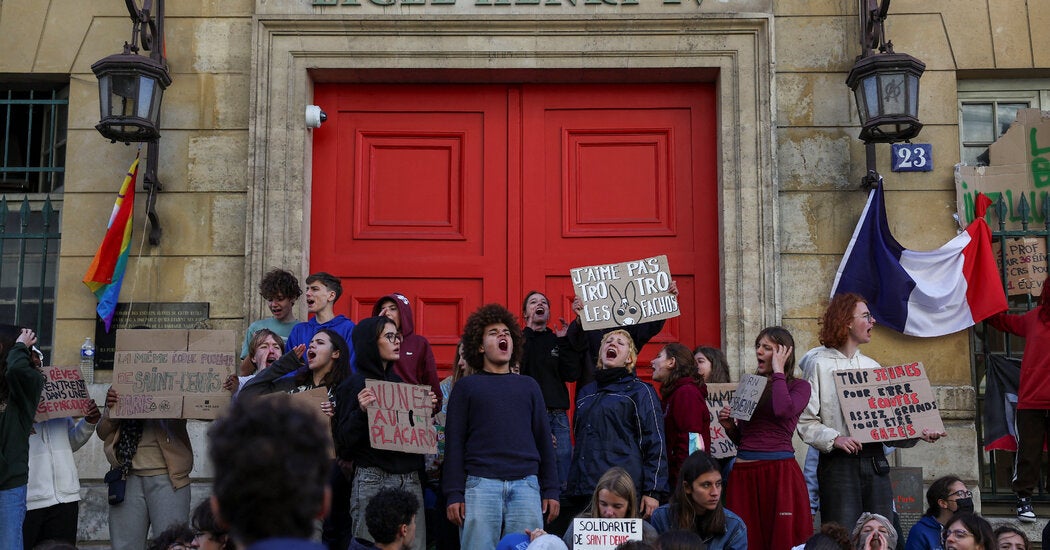
France Confronted With Worst Riots in Years
- What happened: Thousands of people were arrested during nationwide protests against the cost of living, with roughly 1,500 businesses damaged and hundreds of millions of euros in estimated losses. President Emmanuel Macron promised an "uncompromising" response ahead of a crucial budget vote.
- Why it matters: This wave of violence, described as the most severe in years, exposes a deep social fracture and puts the government in a precarious political position just months ahead of the 2027 presidential election.

Finance Minister's Warning on Public Debt
- What happened: The finance minister called soaring borrowing costs a "wake-up call" for France, as public debt is projected to climb to a record 121.7% of GDP in 2027 under the government's budget proposal, up from 119% at the end of June.
- Why it matters: This projection heightens investor risk perception and squeezes the country's fiscal breathing room, already under heavy pressure to rein in its deficit.

IMF Cuts France's Growth Forecasts
- What happened: In its projections released Tuesday, the International Monetary Fund estimated that France's GDP will grow by just 0.4% in 2026, marking a sharp drop from the 0.9% forecast for 2025.
- Why it matters: This pronounced slowdown, unique among major eurozone economies according to the institution, highlights France's structural challenges and could amplify social and fiscal tensions.

Macron Under Pressure at End of Term
- What happened: Nearly a decade after his first election, Emmanuel Macron presides over a country "sliding toward the fiscal precipice," according to a New York Times analysis published October 13.
- Why it matters: This perception of a chaotic end to his term weighs on the executive branch's credibility and fuels speculation over the outcome of the 2027 presidential race.
Record Economic Pessimism Among the French
- What happened: A Pew Research Center study shows that 85% of French adults view their economy as "bad," a higher share than in any of the 17 other high-income countries surveyed.
- Why it matters: This extreme sense of pessimism provides fertile ground for protest movements and populist parties, further complicating the implementation of unpopular reforms.
Économie et entreprises
The French Market Under Historic Pressure
The French stock market is experiencing its worst underperformance relative to other European markets since 2010, according to GuruFocus. This drop is directly tied to growing concerns over the country's public finances, which are dragging down investor confidence and the valuation of companies listed in Paris.
The European Debt Map Flips
According to Euronews, Europe's debt landscape is shifting: Belgium is now borrowing at rates comparable to Greece's, while France is paying more than Italy. Eurozone treasuries are bracing for record bond issuances in 2027 as the IMF warns that borrowing costs have hit a two-decade high.
CAC 40 Up Slightly Despite Tensions
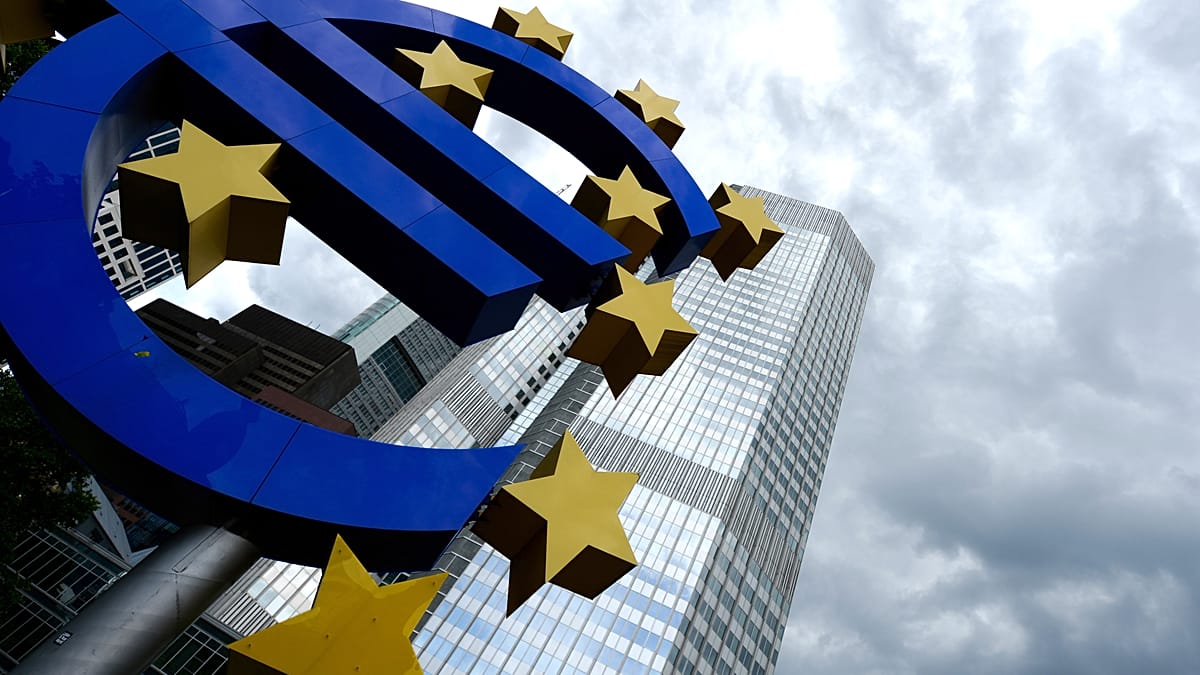
Despite a generally tense backdrop, the CAC 40 index closed up 0.78%, according to Investing.com. This minor technical rebound comes amid persistent volatility as investors try to digest the latest budget announcements and downgraded economic forecasts.
Tour du monde
Middle East Incidents and Journalist Wounded
The Associated Press reports that Washington Post photojournalist Heidi Levine was injured and hospitalized in Israel following an attack by Israeli settlers while covering Palestinian clashes. The incident highlights the growing risks faced by media workers in the region.
Complex Migration Flows in Guatemala
Guatemalan President Bernardo Arévalo stated that his country has received about 2,300 Mexicans deported from the United States since the start of 2026. These individuals, arriving alongside Guatemalan nationals, were quickly transferred back to Mexico, illustrating the logistical and diplomatic challenges of U.S. migration policies.
Houthi Officer's Funeral in Yemen
AP News covered the funeral of a Houthi officer in Sanaa, Yemen, on October 17. These events unfold against a backdrop of persistent regional tensions, underscoring the chronic instability in the Arabian Peninsula.
Analyse — Ce qu'il faut retenir
The convergence of social and fiscal crises in France creates a dangerous vicious circle: popular unrest blocks the implementation of austerity reforms deemed necessary by the markets, while a lack of credible reforms fuels debt speculation and rising interest rates, which in turn squeeze purchasing power and exacerbate social anger. The record pessimism of the French public, confirmed by Pew Research Center data, is more than just a feeling—it is the political engine driving the current crisis.
Economically, the contrast between France and its European neighbors is striking. While the eurozone shows relative resilience, France is becoming the "weak link," with borrowing costs topping Italy's and growth forecasts downgraded by the IMF. The question is no longer simply whether France can fix its finances, but whether it still retains the political capacity to do so without triggering a deeper social rupture.
À suivre
- The 2027 budget vote: The adoption or rejection of the budget bill will be a decisive test for the stability of the Macron government and the bond market's reaction.
- The trajectory of the riots: The state's ability to restore order and contain the violence will determine the scale of the economic damage and the impact on the presidential campaign.
- Upcoming INSEE data: October figures on inflation and household consumption will be closely watched to see if the recession predicted by the IMF is materializing on the ground.
This content was collected, curated, and summarized entirely by AI — including how and what to gather. It may contain inaccuracies. Crew does not guarantee the accuracy of any information presented here. Always verify facts on your own before acting on them. Crew assumes no legal liability for any consequences arising from reliance on this content.
Powered by
