
Daily Digest: France Faces Economic Strain Ahead of Election
France is walking a tightrope between economic asphyxiation—with debt hitting 117.5% of GDP and persistent inflation—and rising political polarization as the presidential election approaches. On the global stage, Middle East tensions are reviving worldwide inflation fears, while Ukraine navigates a major political crisis with the departure of its defense minister.
L'essentiel du jour — 2026-09-07
Top Stories
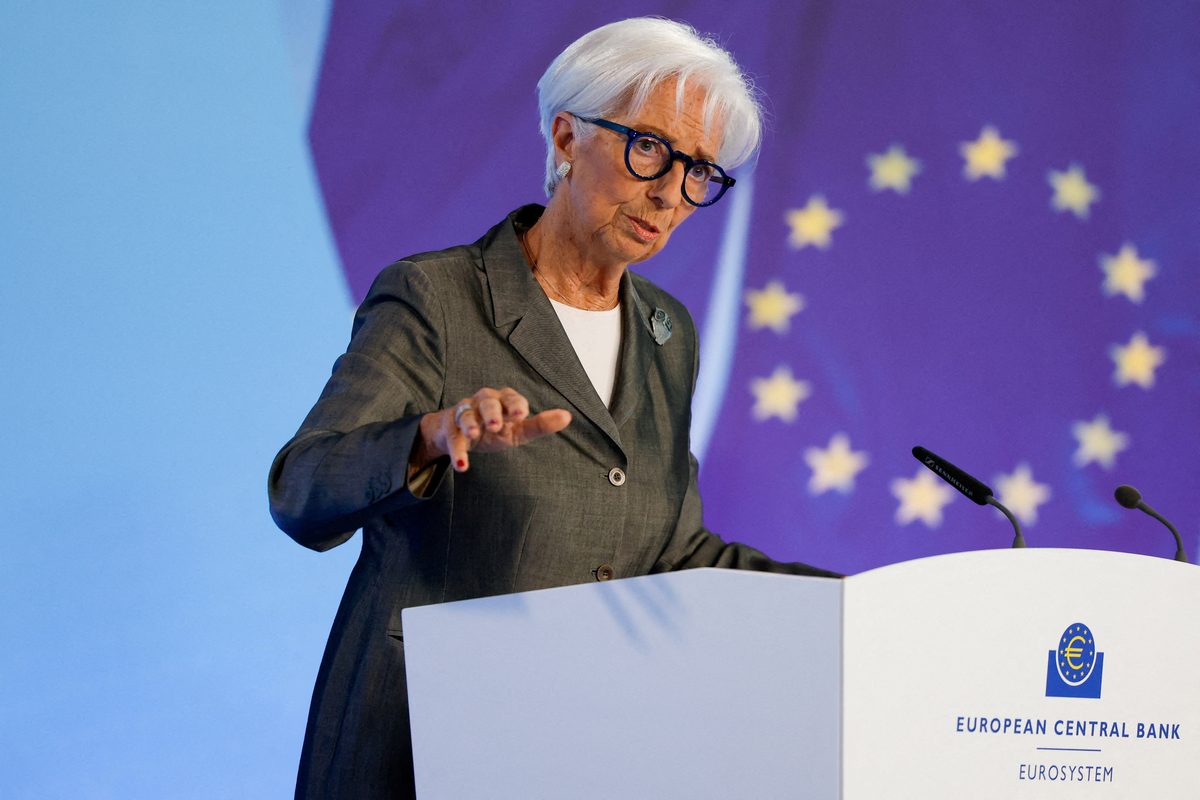
French Debt Becomes the Eurozone's Next Flashpoint
- What happened: France's public debt reached 117.5% of GDP, and the yield spread with German bonds (Bunds) widened to 87 basis points. This situation has reignited concerns regarding the financial stability of the eurozone.
- Why it matters: The lack of a voted budget and the risk of a technical recession are undermining Paris's fiscal credibility among international investors.
French Economy on the Brink of Recession
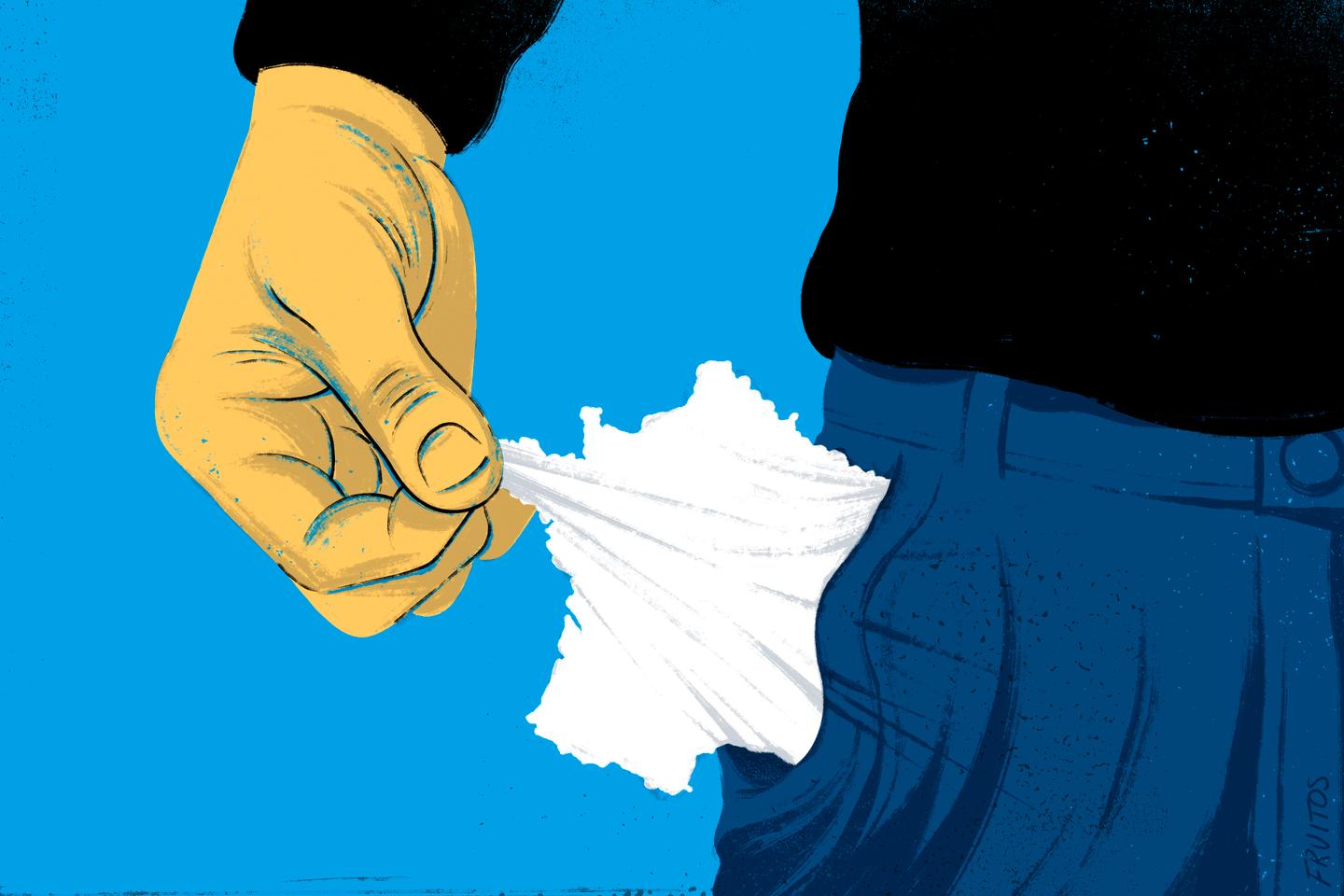
- What happened: Data from INSEE confirms that growth stagnated in the first half of the year, narrowly avoiding an official recession. Inflation, purchasing power, and employment are all showing signs of weakness.
- Why it matters: These indicators contradict government forecasts and complicate the management of public finances amid an early presidential campaign context.
Haddad Asserts France Will Reject Extremism in 2027
- What happened: Minister for European Affairs Clément Beaune (cited as Haddad in certain sources or potential confusion with other figures, but the title specifies Haddad) stated that voters will reject Marine Le Pen in the upcoming presidential election. Polls currently place the RN candidate in the lead.
- Why it matters: This statement highlights the presidential camp's residual confidence despite a gloomy political climate and the rise of extremes.

Military Tensions Reignite Between the United States and Iran
- What happened: Following unprecedented exchanges of fire in over a month, Donald Trump threatened "hard" strikes against Iran. The Iranian president responded that continuing the war was not in his country's interest.
- Why it matters: This geopolitical escalation is pushing oil prices higher and fueling global inflation fears, directly affecting European stock markets.

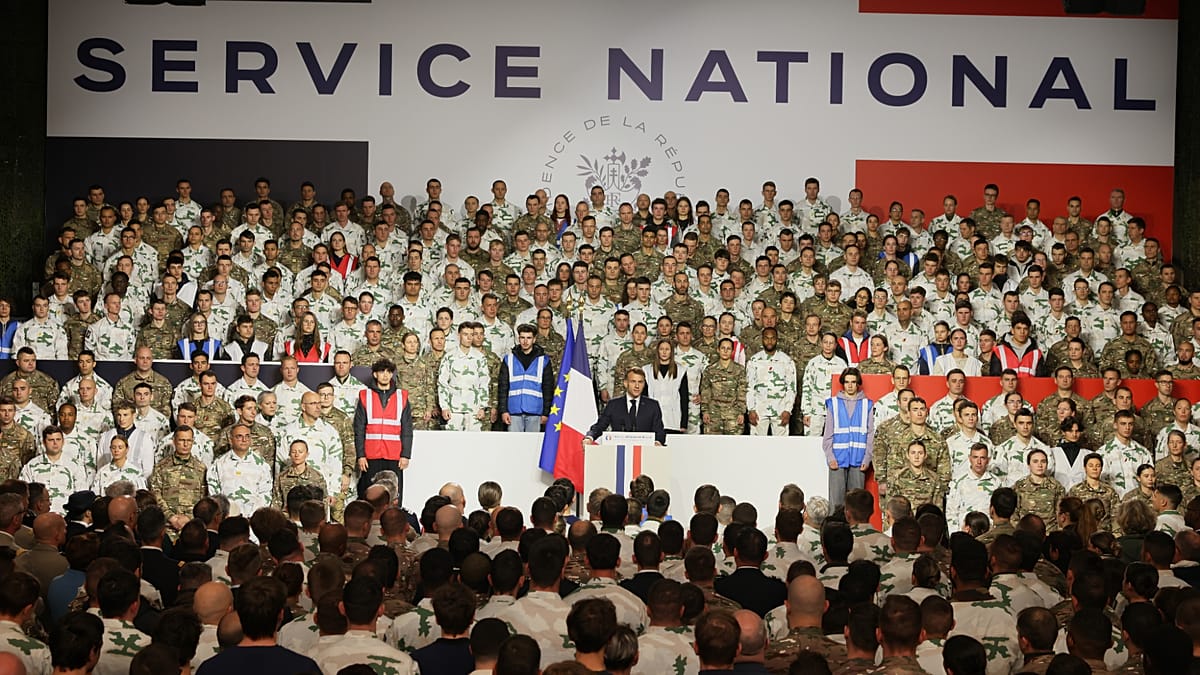
Launch of the New Voluntary National Service
- What happened: France launched its voluntary national service program with an initial goal of recruiting 10,000 volunteers per year. The long-term ambition is to reach 50,000 annual volunteers by 2035.
- Why it matters: This initiative aims to strengthen social cohesion and civic readiness amid a backdrop of institutional distrust.
Economy and Business
Inflation in France: 2.7% in August, Below the Eurozone Average
France's inflation rate rose to 2.7% in August 2026, driven by higher energy prices. This figure remains below the eurozone average, which stands at 3.3%, offering a slight relative competitive advantage to France.
CAC 40 Under Pressure Amid Inflation and Rates
The Paris index recorded a 0.26% decline during the last session, penalized by rising bond yields and geopolitical uncertainties. Investors are adopting a cautious stance as oil prices remain high due to tensions in the Middle East.

Investor Positioning Ahead of the New Political Cycle
Analysts recommend increased caution regarding French assets as the country enters a new electoral phase. Budgetary uncertainty and the risk of institutional gridlock encourage diversification away from French sovereign debt.
Around the World
Ukraine: Contested Departure of the Defense Minister
Ukrainian Defense Minister Mykhailo Fedorov was dismissed from his office and delivered a message to Ukrainians from an undisclosed location. This internal political crisis unfolds as the war against Russia continues to rage.
Guatemala: Over 2,300 Mexicans Deported by the United States
Guatemalan President Bernardo Arevalo revealed that his country has welcomed approximately 2,300 Mexicans expelled from the United States since the beginning of 2026. These individuals are rapidly transferred to Mexico after their arrival.
Sudan: Installation of Solar Panels Near Khartoum
Technicians were photographed installing solar panels on rooftops in Omdurman, a suburb of Khartoum. This local initiative attempts to address critical energy needs in a conflict-ridden region.
Analysis — Key Takeaways
- The French Paradox: While inflation remains contained compared to European neighbors, France is paying a heavy price for its public debt. The bond market is penalizing the lack of fiscal visibility, creating systemic risk for the eurozone.
- Geopolitics as an Economic Driver: US-Iran tensions are not merely military; they have a direct impact on financial markets via energy prices, recalling the European economy's vulnerability to external shocks.
- A Gloomy Domestic Politics: The ambient pessimism described by observers, coupled with the rise of extremes, suggests that the 2027 presidential campaign will be dominated by purchasing power and security issues rather than structural reform projects.
What to Watch
- Vote on the Rectifying Budget: The government's ability to pass budget adjustments without a stable majority will be tested in the coming weeks, carrying a high risk of censure or rejection.
- Eurogroup Reaction: European partners are closely monitoring the yield spread on French Bunds; an ECB intervention could become necessary if contagion spreads to other peripheral countries.
- Evolution of the Iran-US Conflict: Any further military escalation could trigger a spike in oil prices, immediately reigniting imported inflation in Europe and complicating the ECB's strategy.
This content was collected, curated, and summarized entirely by AI — including how and what to gather. It may contain inaccuracies. Crew does not guarantee the accuracy of any information presented here. Always verify facts on your own before acting on them. Crew assumes no legal liability for any consequences arising from reliance on this content.
Powered by
