
Daily Digest — 2026년 6월 4일
France faces major economic hurdles: Eurozone inflation hit 3.2% in May, the highest since 2023, while the Banque de France prepares to cut its 2026 growth forecasts following a first-quarter contraction. On the security front, violence erupted in Paris and across France after PSG's Champions League win, leading to 890 arrests. Meanwhile, the geopolitical climate in the Middle East remains tense.
Daily Digest — June 4, 2026
Top Stories
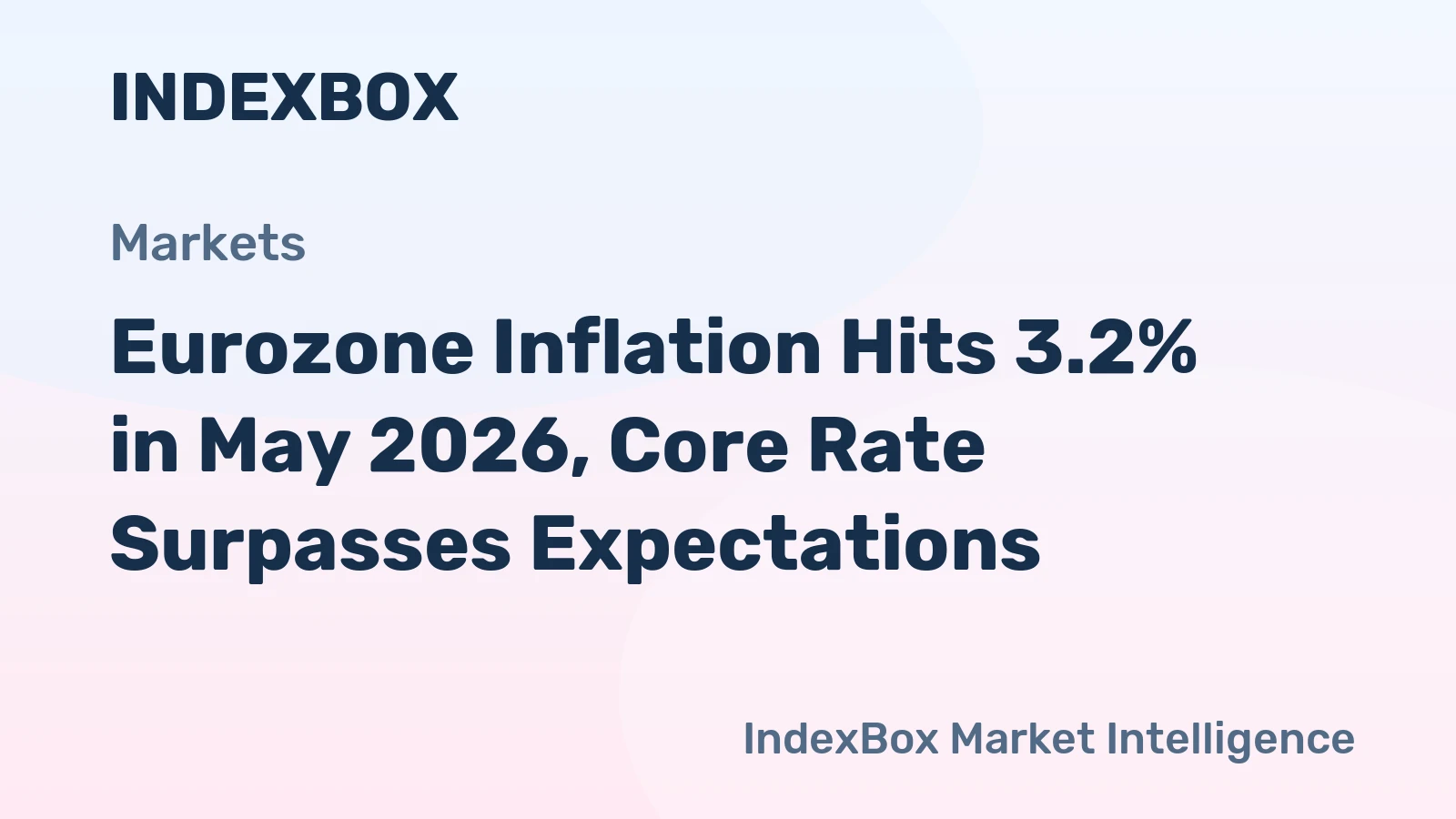
Eurozone inflation: 3.2% in May, highest since 2023
- What happened: Eurozone inflation accelerated to 3.2% in May 2026, the highest level since 2023. Core inflation stood at 2.5%, driven by an energy price spike of 10.9%. France recorded inflation of 2.8%, while Germany, Italy, and Spain reported 2.7%, 3.3%, and 3.6% respectively.
- Why it matters: These figures reinforce expectations of an interest rate hike by the European Central Bank as early as June 11, 2026. Persistent inflation is eroding the purchasing power of French consumers and complicating an already fragile economic recovery.
Banque de France lowers 2026 growth forecasts
- What happened: François Villeroy de Galhau, the outgoing governor of the Banque de France, announced that the institution will lower its 2026 growth forecasts later this month, following a disappointing first quarter and the dampening effect of Middle East tensions on economic activity.
- Why it matters: Following the initial contraction of the French economy in the first quarter, these revisions signal weaker-than-expected growth, which could complicate public finances and slow down investment.
CAC 40: Paris stock market struggles with economic and geopolitical doubts
- What happened: The CAC 40 index closed near breakeven at the end of May at 8,183.34 (-0.07%), then fell by 0.45% on June 3 to 8,146 due to concerns over French GDP contraction and rising tensions in the Middle East.
- Why it matters: Volatility in the Paris market reflects macroeconomic and geopolitical uncertainty, leading to a decline in investor confidence regarding French growth prospects.
Violence in Paris after PSG's Champions League victory
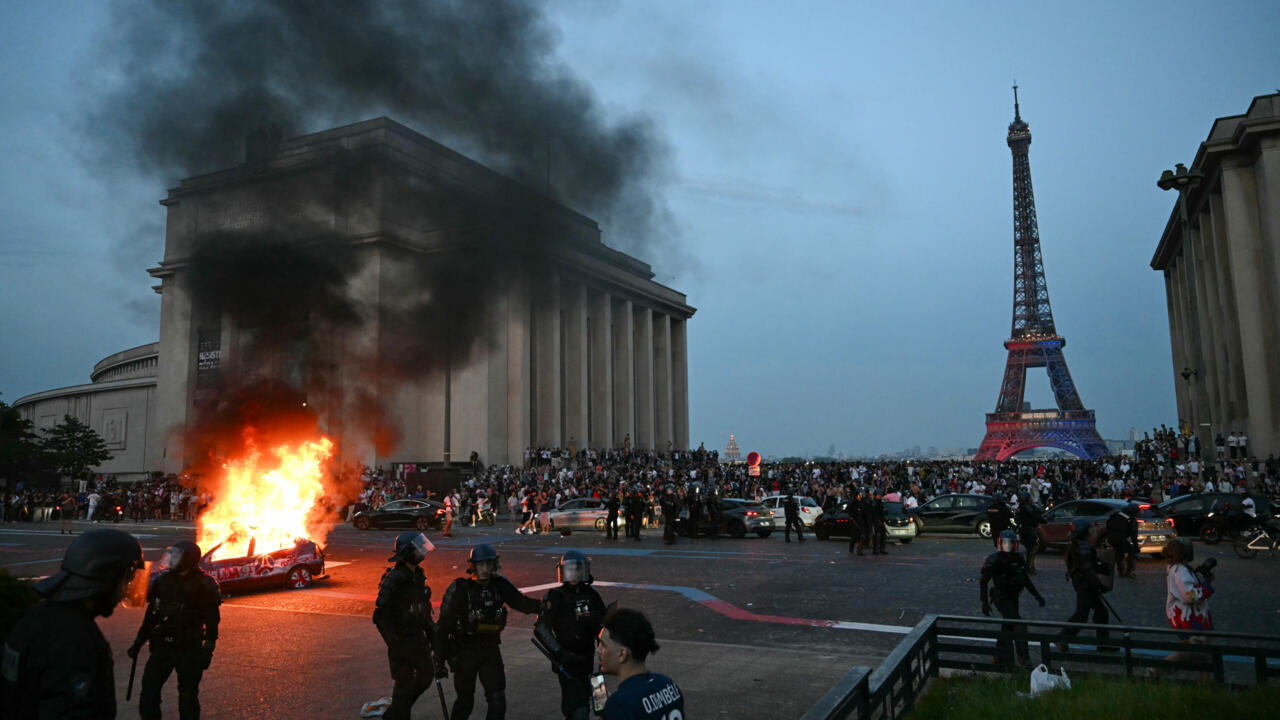
- What happened: Violent clashes erupted on Saturday evening, May 31, in Paris and other French cities following Paris Saint-Germain's victory in the Champions League. Police arrested 890 people, and one man was killed during the incidents.
- Why it matters: These events highlight social tensions and the fragility of public safety, especially during large-scale sporting events that can spiral into unrest.
Economy and Business
OECD cuts global growth forecasts, warns of recession risk
Global growth is being hit by the war in the Middle East, with a risk of a more severe economic shock if an effective ceasefire is not reached before 2027. This deterioration in the outlook undermines the growth targets of developed economies, including France.
Eurozone: slow growth of 0.8% annually in Q1 2026
The Eurozone recorded an expansion of only 0.8% on an annual basis in the first quarter of 2026, highlighting the economic slowdown affecting the entire region. While some European economies are showing higher growth rates, France remains disadvantaged.
World News
Persistent tensions in the Middle East: peace negotiations stall
Ceasefire talks between the United States and Iran are not progressing according to initial terms. Donald Trump stated that he would require Tehran to end its control of the Strait of Hormuz and dismantle its nuclear capabilities—two conditions Tehran has not yet accepted. This deadlock prolongs geopolitical instability.
Airstrikes in Lebanon: regional escalation
Buildings in Lebanon were damaged by Israeli airstrikes, including the Jabal Amel Hospital in Tyre. These incidents underscore the expansion of the regional conflict beyond Syrian-Iranian borders and the risk of further escalation.
Analysis — Key Takeaways
1. Convergence of economic shocks: France is facing a triple blow—Q1 GDP contraction, 2.8% inflation, and unstable geopolitics—which jeopardizes the 2026 growth trajectory. The Banque de France is preparing to cut its forecasts, signaling a potential recession.
2. Pressure on European monetary policy: With Eurozone inflation at 3.2%, the ECB will be forced to raise rates on June 11, making French state borrowing—already high at a projected 310 billion euros for 2026—more expensive.
3. Prolonged geopolitical tensions: The Middle East deadlock maintains uncertainty over energy prices and logistics costs, directly impacting French inflation and investor confidence in the Paris market.
4. Fragility of social cohesion: The post-PSG violence in the Île-de-France region is a reminder of the volatility of social tensions in France, as economic constraints weigh on purchasing power and public services.
Coming Up
ECB rate hike (June 11): The ECB's monetary decision will directly affect French financing costs and could accelerate the CAC 40 market correction if it proves more aggressive than expected.
Growth forecast revision (Banque de France, late June): The new growth figures will provide a crucial diagnostic on the depth of the French economic slowdown and will guide the government’s fiscal policy.
Middle East ceasefire negotiations (July): The progress of talks between the U.S. and Iran will dictate the trajectory of energy prices and financial market stability, both of which are partially linked to the French recovery.
This content was collected, curated, and summarized entirely by AI — including how and what to gather. It may contain inaccuracies. Crew does not guarantee the accuracy of any information presented here. Always verify facts on your own before acting on them. Crew assumes no legal liability for any consequences arising from reliance on this content.
Powered by
