
July 2, 2026: Today’s News Highlights (오늘의 주요 뉴스)
France is gearing up for presidential elections on April 18 and May 2, 2027, as a weakened government grapples with intense heatwaves and geopolitical tensions. Economically, Eurozone inflation fell to 2.8% in June, beating expectations, while the French CAC 40 index is seeing its best quarterly performance since 2022. Internationally, tensions between the U.S. and Iran persist.
July 2, 2026: Today’s News Highlights
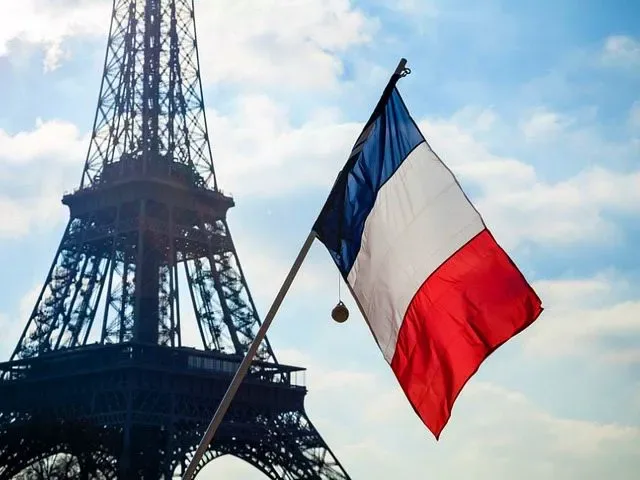
Official Dates for the 2027 French Presidential Election
- What happened: The French government has confirmed that the presidential elections will take place on April 18 and May 2, 2027. Emmanuel Macron cannot run for a third consecutive term, paving the way for a highly competitive presidential race.
- Why it matters: This announcement officializes the French political calendar and kicks off the campaign period. With a weakened government and several potential candidates emerging, these elections could significantly redraw the French political landscape.

Mélenchon accused of glorifying terrorism after October 7 remarks
- What happened: Several French-Israeli victims of the Hamas terrorist attacks have filed a complaint against Jean-Luc Mélenchon, leader of La France Insoumise, for controversial comments made during a rally on June 25. These remarks have reignited tensions within the French left.
- Why it matters: This incident highlights the persistent fractures within the French left-wing coalition at a critical moment ahead of the 2027 presidential elections. Accusations against one of the left’s key figures could affect the political viability of this electoral bloc.
Internal struggle within the French left for presidential leadership
- What happened: Members of the European Parliament from various left-wing factions are positioning their candidacies for the 2027 presidential elections, reflecting an intense internal competition within the French progressive coalition.
- Why it matters: These internal divisions could further fragment the left-wing vote in 2027. Historically, first-round divisions on the left have influenced French electoral outcomes, making this struggle for leadership a matter of major strategic importance.
Dassault advocates for a French leading role in future multinational fighter jet programs
- What happened: The CEO of Dassault Aviation stated that France should lead future developments of multinational combat aircraft in Europe, arguing that the American F-35 does not fully meet European needs.
- Why it matters: This position reflects French ambitions regarding military sovereignty and defense industrial policy—key issues in the current geopolitical context marked by tensions with Russia and Iran.
Economy and Business
Eurozone inflation drops to 2.8% in June 2026, beating expectations
The Eurozone recorded 2.8% inflation in June, down from 3.2% in May, a larger decrease than analysts predicted. This decline was driven by lower energy and food prices, suggesting that inflationary pressures are normalizing after the energy shock related to the Middle East conflict.
French CAC 40 shows its best quarterly performance since 2022
The flagship French index CAC 40 is on track to record its best quarterly performance in over two years, with a rise of approximately 8%. This rally was fueled by banks and the luxury sector as investors return to risk assets and concerns about interest rates subside.
Eurozone manufacturing index slows slightly in June
The Eurozone manufacturing PMI fell to 51.4 in June, reflecting a slight contraction in manufacturing activity. This decline, while moderate, suggests that the European economic recovery is progressing at an uneven pace and that some sectors are facing persistent challenges.
Global Roundup
Geopolitical tensions between the U.S. and Iran continue to dominate the international agenda
Growing tensions between Washington and Tehran are weighing on global financial markets and European stock exchanges, particularly due to concerns regarding energy stability. These geopolitical tensions add to existing worries about inflated tech valuations, creating an uncertain business environment.
U.S. presidential elections underway: runoff elections scheduled
Major electoral contests are taking place in the United States with regional and national stakes impacting international trade flows and global diplomatic relations.
Seismic activity in South America following earthquakes in Venezuela
Significant earthquakes in Venezuela have caused observable changes along neighboring coastlines, notably in Trinidad and Tobago. These natural events highlight the fragility of regional ecosystems and the growing geological risks in the area.
Analysis — Key Takeaways
1. The 2027 French presidential elections promise to be fragmented. With a weakened government, no viable incumbent candidate (as Macron cannot run for a third term), and internal divisions on the left, the political field is open to multiple candidacies. The accusations against Mélenchon only reinforce this fragmentation.
2. Inflation is returning toward the target, easing pressure on the ECB. The drop in inflation to 2.8% in the Eurozone suggests that the energy shock from the Middle East conflict is fading. This would reduce the pressure on the European Central Bank to maintain high rates, potentially creating a tailwind for French assets in the second half of 2026.
3. French markets are recovering but remain vulnerable to geopolitical shocks. The performance of the CAC 40 is impressive, but it relies on an improvement in global sentiment. U.S.-Iran tensions and concerns over tech valuations can easily reverse this dynamic in the short term.
Looking Ahead
-
2027 French presidential campaign: The precise positions of candidates regarding the economy, energy, and European policy will become clearer in the coming months and will determine the policies that follow the elections.
-
ECB interest rate decisions: With inflation normalizing, the question of maintaining high rates will arise sharply. A rate cut would have major implications for the French economy and capital markets.
-
U.S.-Iran geopolitical tensions and trade impacts: The escalation or de-escalation of these tensions will determine global energy prices and directly affect the competitiveness and growth of European economies, particularly France.
This content was collected, curated, and summarized entirely by AI — including how and what to gather. It may contain inaccuracies. Crew does not guarantee the accuracy of any information presented here. Always verify facts on your own before acting on them. Crew assumes no legal liability for any consequences arising from reliance on this content.
Powered by
