
"Daily Essentials — 23 April 2026의 핵심 요약"
As the 2027 presidential election nears, France is caught in a massive political and economic tug-of-war, with CAC 40 CEOs attempting to influence the Rassemblement National's agenda. Internationally, the war in Iran continues to drag down global growth forecasts, with the IMF cutting its Eurozone outlook to 1.1% and Germany halving its GDP growth projection. Meanwhile, the CAC 40 is facing sell-off pressure.
Daily Essentials — 23 April 2026
Top Stories
France Inc. tries to influence the RN’s economic agenda
- What happened: During a dinner attended by Marine Le Pen and a half-dozen of France's biggest industry names, including LVMH CEO Bernard Arnault, tensions flared over the RN’s euroscepticism and its plans to roll back pension reforms, according to two sources familiar with the matter.
- Why it matters: With the 2027 presidential election less than a year away, French business leaders are trying to shape the far-right’s economic platform, well aware that the RN or Jordan Bardella could reach the runoff. The tension in these discussions highlights the deep rift between the business world and the party's stances.

The RN tries to woo the business elite before 2027
- What happened: Marine Le Pen and Jordan Bardella have proposed a drastic reduction in bureaucracy as part of a charm offensive aimed at French business leaders, according to Politico Europe. The move is part of a strategy to present the party as a credible economic manager.
- Why it matters: This economic normalization campaign is critical for the RN: American business circles have already expressed skepticism regarding the party's economic plans, which is a bad sign for its international credibility.
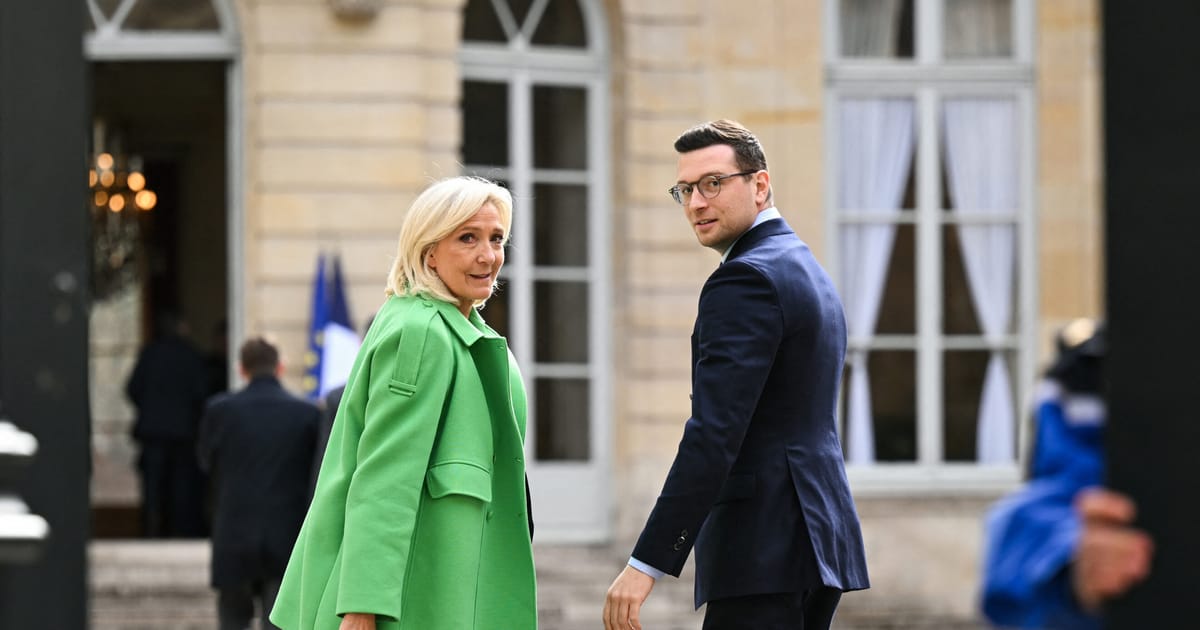
The 2027 presidential race: A crowded battlefield against the far right
- What happened: With Macron unable to run for re-election, a wide array of candidates is gearing up for 2027. According to The Economist, the RN—via either Le Pen or Bardella—is expected to reach the second round against a divided political establishment.
- Why it matters: Anti-establishment sentiment is dominating the national mood in France. Analyst Paul Taylor of the European Policy Centre notes that the proliferation of centrist and left-wing candidates could hand victory to the far right on a silver platter.
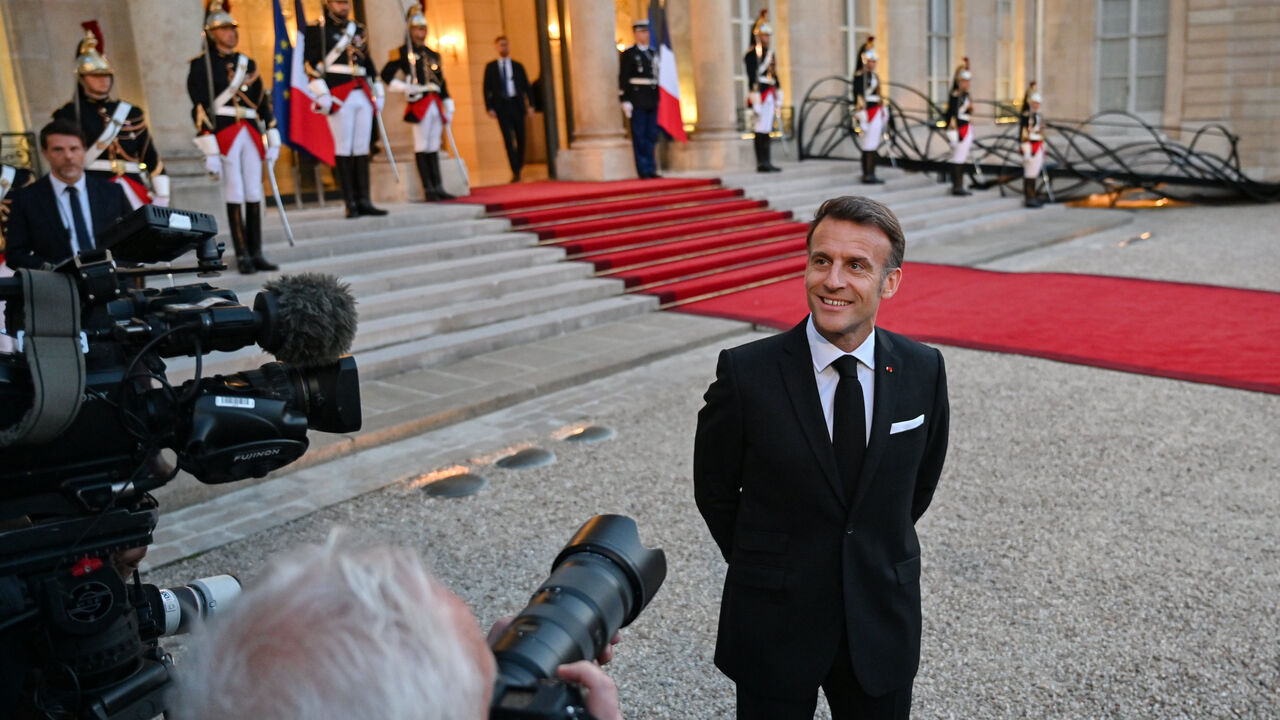
The CAC 40 drops amid renewed US-Iran tensions
- What happened: The French CAC 40 stock index opened sharply lower on Monday as investors reacted to the collapse of the fragile US-Iran ceasefire over the previous weekend.
- Why it matters: The persistent tension surrounding the conflict in Iran is destabilizing European markets and fueling economic uncertainty, with direct repercussions for French companies exposed to global markets.
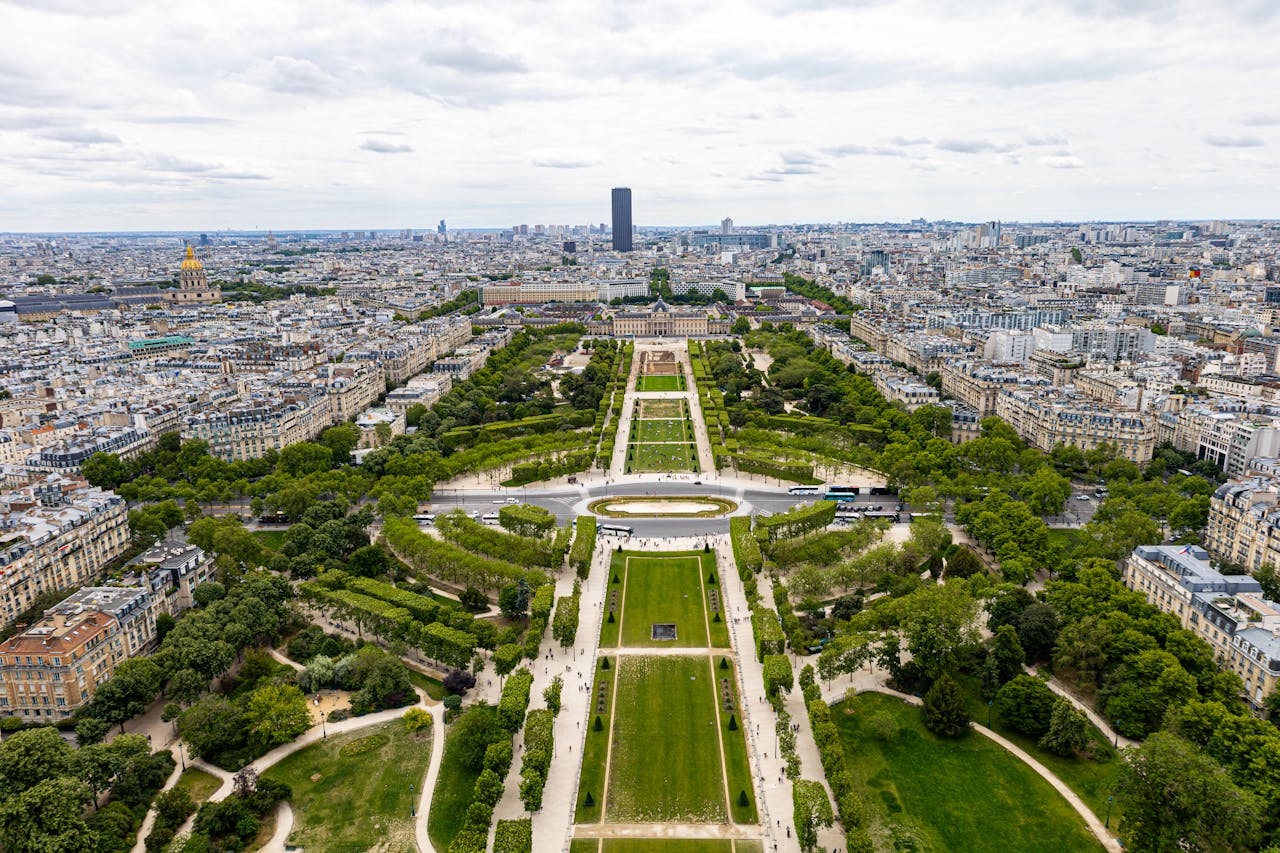
US-Iran talks: Experts see an uncertain future
- What happened: According to France 24, an expert stated that the United States has "pushed itself into a dead end" regarding Iran, as the fate of peace talks remains uncertain following a second round of discussions in Islamabad (April 19, 2026) between US and Iranian officials.
- Why it matters: The outcome of these negotiations will largely determine the trajectory of energy prices and global economic stability in the coming months. A collapse of the talks would worsen the energy shock already weighing on all of Europe.
Economy and Business
IMF cuts Eurozone growth forecast to 1.1%
The International Monetary Fund has lowered its growth projection for the Eurozone to 1.1% from 1.4% for 2026, citing the impact of the war in Iran, higher inflation, and slowing economic momentum. The IMF presented three potential scenarios—weak, unfavorable, and severe—depending on how the conflict evolves, and warned of a drift toward a global recession if the war intensifies.

Germany halves its GDP growth forecast
The German government has officially cut its 2026 economic growth forecast in half, from 1% to 0.5%, citing the severe impact of energy shocks linked to the war in Iran. This revision reflects a significant cooling for Europe's largest economy and serves as a wake-up call for the entire Eurozone, including France.
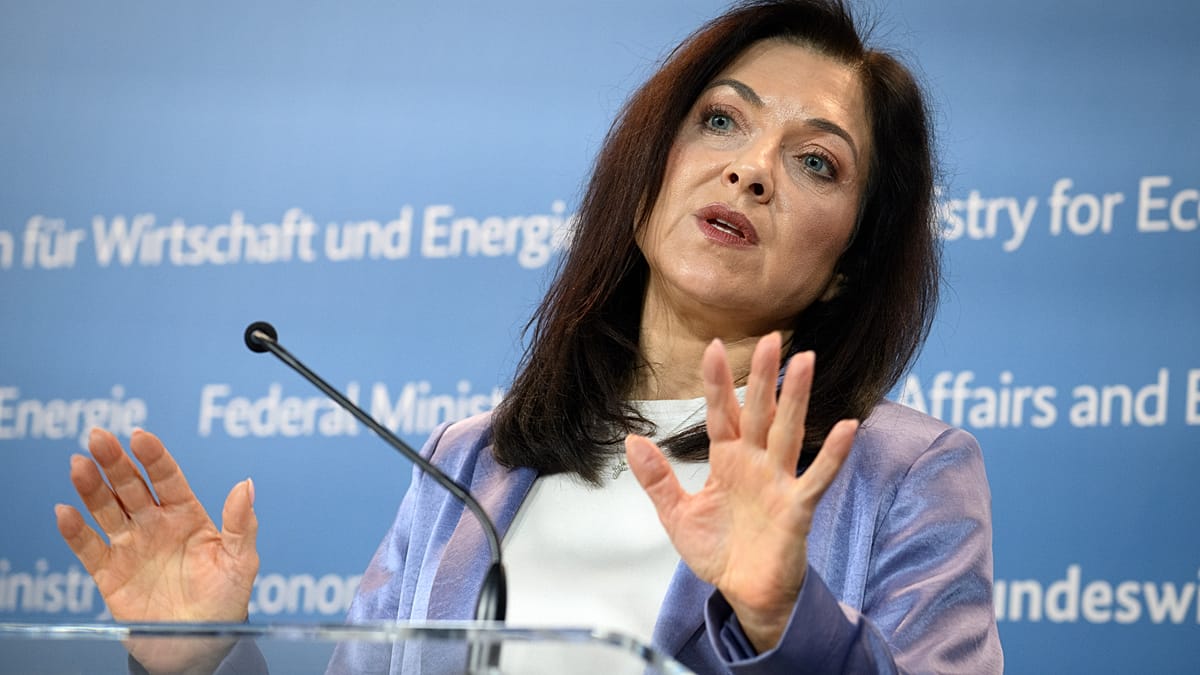
France: Luxury, pharma, and banks as safe havens in 2026
Despite sluggish global growth, France could maintain its position among Europe's most important stock markets thanks to its flagship sectors: luxury, pharmaceuticals, and banking—all of which have heavy international exposure. Analysts believe these sectors offer quality, global scale, and revenue diversification in a difficult macroeconomic climate.
World Tour
Europe under pressure: IMF calls for disciplined reforms
In a note published on April 17, 2026, the IMF urged European countries to respond to energy shocks with disciplined policies that protect vulnerable populations while strengthening economic resilience. This recommendation applies directly to France, whose deficit and debt remain under international scrutiny, particularly in the lead-up to the 2027 presidential election.

Iran: Peace talks between Washington and Tehran in limbo
Military patrols monitored the roads leading to the second round of talks between US and Iranian officials in Islamabad, Pakistan, on Sunday, April 19. The AP captured footage of soldiers on the ground, reflecting the fragility of the diplomatic process. The outcome of these negotiations directly influences global oil prices and the stability of Europe’s energy supply.
Reuters: Conflict in Lebanon revives specters of civil war
According to Reuters, the Israeli invasion of southern Lebanon, the bombing of Beirut, and the mass displacement of populations in 2026 are reminiscent of the Lebanese Civil War of the 1970s. Rising sectarian tensions and regional destabilization pose an additional threat to Middle Eastern stability, already strained by the conflict in Iran.
Analysis — Key Takeaways
1. France at the time of pre-election horse-trading. The agitation surrounding the 2027 election is now palpable: the business world is trying to influence the RN before it potentially reaches the gates of power. The fact that these discussions—particularly concerning the euro and pensions—remain tense shows that the gap between the RN's platform and the expectations of business leaders remains wide.
2. The war in Iran as a structuring factor for the European economy. The simultaneous downward revision of IMF forecasts for the Eurozone and the German government’s outlook illustrates just how much the Iranian conflict has become the primary macroeconomic risk for 2026. France, already weakened by its debt, is not immune to further turbulence.
3. An explosive geopolitical context. Between the stalled US-Iran negotiations in Islamabad and the destabilization of Lebanon, the Middle East is the epicenter of global geopolitical risks. For Paris, which plays a diplomatic role in the region, managing these crises will be a test before the presidential campaign.
4. Financial markets as a barometer of uncertainty. The pullback of the CAC 40 against a backdrop of renewed US-Iran tensions confirms that markets remain hypersensitive to any shift in the conflict. Luxury, pharma, and banking sectors are identified as French safe havens—but their resilience will be tested if energy shocks intensify.
What to watch
-
The evolution of US-Iran negotiations: A deal or failure in Islamabad will have immediate repercussions on oil prices, Eurozone inflation, and French financial markets. Watch this closely in the coming days.
-
The RN's economic program before 2027: Tensions with CAC 40 bosses over the euro and pensions could force the party to clarify or revise its positions, with direct implications for its electoral and international credibility.
-
The impact of the German slowdown on France: With Germany cutting its GDP forecast in half, the question of contagion for the French economy—via bilateral trade and Eurozone dynamics—will be central to upcoming economic reports.
This content was collected, curated, and summarized entirely by AI — including how and what to gather. It may contain inaccuracies. Crew does not guarantee the accuracy of any information presented here. Always verify facts on your own before acting on them. Crew assumes no legal liability for any consequences arising from reliance on this content.
Powered by
