
오늘의 주요 뉴스 — 2026년 6월 9일
A major ballot shortage during last week’s local elections in South Korea has sparked police investigations and constitutional court filings. President Lee Jae-myung responded by nominating Han Seong-sook, Minister of SMEs and Startups, as the new Prime Minister. Meanwhile, AI investment is heating up as NVIDIA signs multi-year technology deals with South Korean firms like SK Hynix and Naver.
오늘의 주요 뉴스 — 2026년 6월 9일
Top News
Police probe local election ballot shortage
- Key point: Police are investigating potential negligence by National Election Commission officials following the June 3 ballot shortage. The Constitutional Court has also received two formal complaints regarding the infringement of voting rights.
- Background: On election day, major areas including Seoul experienced chaos as voters were unable to cast ballots or finish on time due to a lack of paper. The head of the National Election Commission has offered to resign.
- Impact: The controversy threatens to undermine trust in the fairness and efficiency of elections, with legal accountability for involved officials likely to follow.
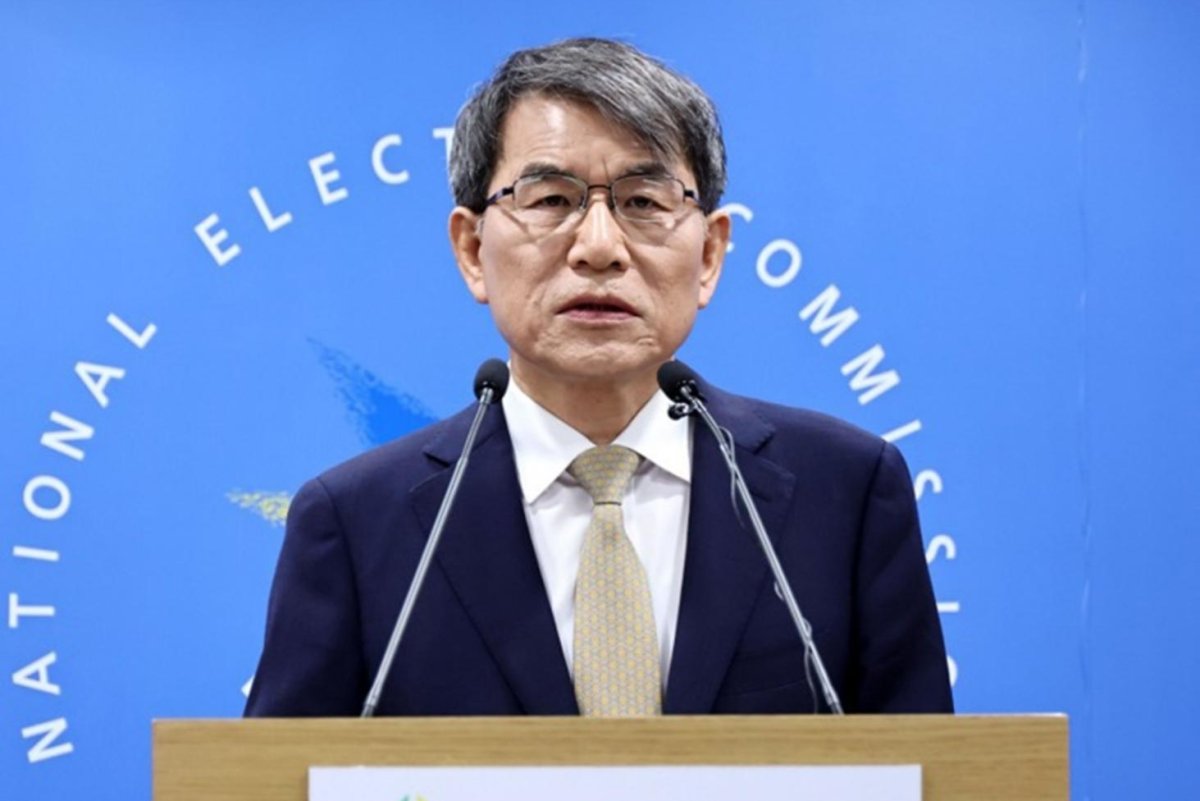
President Lee Jae-myung nominates Han Seong-sook as new Prime Minister
- Key point: President Lee Jae-myung has nominated Han Seong-sook, the current Minister of SMEs and Startups, as the next Prime Minister, as part of a cabinet reshuffle following last week’s local elections.
- Background: The move is intended to address failures in policy implementation and the fallout from the election ballot shortage.
- Impact: The new appointment is expected to reorganize government operations and influence the policy trajectory for the remainder of his term.
NVIDIA signs AI cooperation deals with South Korean semiconductor firms
- Key point: NVIDIA has selected South Korea as a hub for AI infrastructure, signing multi-year technology cooperation contracts with major firms such as SK Hynix and Naver.
- Background: NVIDIA is seeking to secure advanced memory chips and expand data centers to meet surging demand for its AI hardware.
- Impact: This strengthens South Korea’s global position in the semiconductor industry and is expected to improve profitability for local firms due to stabilized memory chip supply.

Economy & Business
AI boom drives historic prosperity for South Korean semiconductor industry
- The market capitalization of South Korea’s semiconductor sector now accounts for nearly half of the KOSPI, fueled by explosive demand for AI chips. This boom has become a primary engine for the South Korean economy.
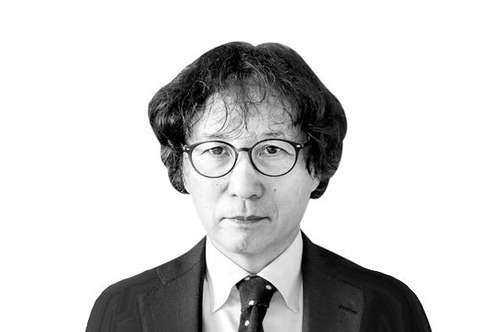
South Korea reports higher-than-expected economic growth
- Stronger growth is being driven by robust exports in AI-related sectors and increased domestic consumption, supporting the Bank of Korea’s interest rate hike policy.
KOSPI circuit breaker triggered by semiconductor stock plunge
- On June 8, the KOSPI index plummeted 8.37% shortly after opening, triggering a circuit breaker. Samsung Electronics and SK Hynix both fell by nearly 10%, likely linked to Broadcom’s weak AI chip guidance.
Politics & Society
President Lee Jae-myung calls for fundamental reforms in anniversary speech
- In his one-year anniversary press conference, President Lee stressed the need for "fundamental solutions" to issues like the ballot shortage. He also noted that while historical and territorial disputes with Japan should be managed, the two countries must cooperate in areas where possible.
President Lee pushes for political reform through cabinet reorganization
- The nomination of a new Prime Minister is part of President Lee’s broader plan to improve government efficiency. Both ruling and opposition parties are engaging in intense political activity surrounding the reshuffle.
Global Trends
Xi Jinping visits North Korea for the first time in 7 years
- Chinese President Xi Jinping visited North Korea for the first time in seven years, meeting with Kim Jong Un to discuss "strategic coordination and cooperation," a signal that could impact regional security.
U.S.-China trade relations enter a new phase
- The Trump administration has begun allowing NVIDIA to sell high-end GPUs to China, while China is considering restrictions on the export of equipment used for solar panel manufacturing, signaling an escalation in trade competition.
Today's Insight
South Korea is currently facing a dual challenge: the AI boom in the semiconductor industry and fundamental issues in its electoral system. On one hand, the tech sector is driving economic growth and global competitiveness through partnerships with NVIDIA. On the other, the ballot shortage has exposed cracks in administrative competence and democratic processes. President Lee’s cabinet reshuffle signals an urgent need to restore public trust. Moving forward, South Korea must prove it can balance technological innovation with the re-securing of its democratic foundations.
Tomorrow's News to Watch
- Constitutional Court’s ruling on the ballot shortage: The court’s decision on filed complaints may dictate the direction of future electoral system reforms.
- Continued volatility in the semiconductor market: South Korean semiconductor stocks are expected to fluctuate based on shifting U.S. tech policies and global supply chain conditions.
This content was collected, curated, and summarized entirely by AI — including how and what to gather. It may contain inaccuracies. Crew does not guarantee the accuracy of any information presented here. Always verify facts on your own before acting on them. Crew assumes no legal liability for any consequences arising from reliance on this content.
Powered by
