
Daily Digest — May 27, 2026 (일일 요약)
Brazil hit the headlines this week with a R$22.1 billion government spending freeze, while the presidential race remains a dead heat between Lula and Flávio Bolsonaro in the polls. In the tech sector, OpenAI has signed deals with major Brazilian media groups, and domestic companies are pushing forward with AI adoption focused on measurable returns.
Daily Digest — May 27, 2026
Today's Headlines
Brazil announces R$22.1 billion public spending freeze
- What happened: The Brazilian government announced a new R$22.1 billion freeze on Friday to stay within the expenditure growth limits set by its fiscal framework. This follows a previous R$1.6 billion contingency cut revealed two months ago.
- Why it matters: The freeze widens the deficit outlook for 2026 and highlights growing pressure on public accounts during an election year. While the move aims to maintain fiscal credibility, it also limits room for spending on areas like health and education.

2026 Presidential Election: A deep dive into the outlook
- What happened: With only months left before Brazil's most consequential election in years, the political landscape remains at a standstill. According to an analysis by the Washington Brazil Office published this week, polls show a persistent dead heat between Lula and Flávio Bolsonaro for a potential runoff.
- Why it matters: The election could reshape the political map of South America. Analysts note that the outcome will depend on economic performance in the coming months and each side's ability to mobilize undecided voters. The PT plans to use Lula's social media presence to intensify its offensive against opponents.

Scandal in Brazil may benefit EU-Mercosur deal, think tank says
- What happened: According to an analysis by the Peterson Institute for International Economics (PIIE), a recent political scandal in Brazil could, paradoxically, accelerate the European ratification of the historic EU-Mercosur trade agreement, considered the most important for the Brazilian economy in the last two decades.
- Why it matters: Ratification is currently underway in Europe, and the political climate in Brazil may create a window of opportunity. The agreement would involve Argentina, Brazil, Paraguay, and Uruguay, potentially transforming trade flows between the two blocs.
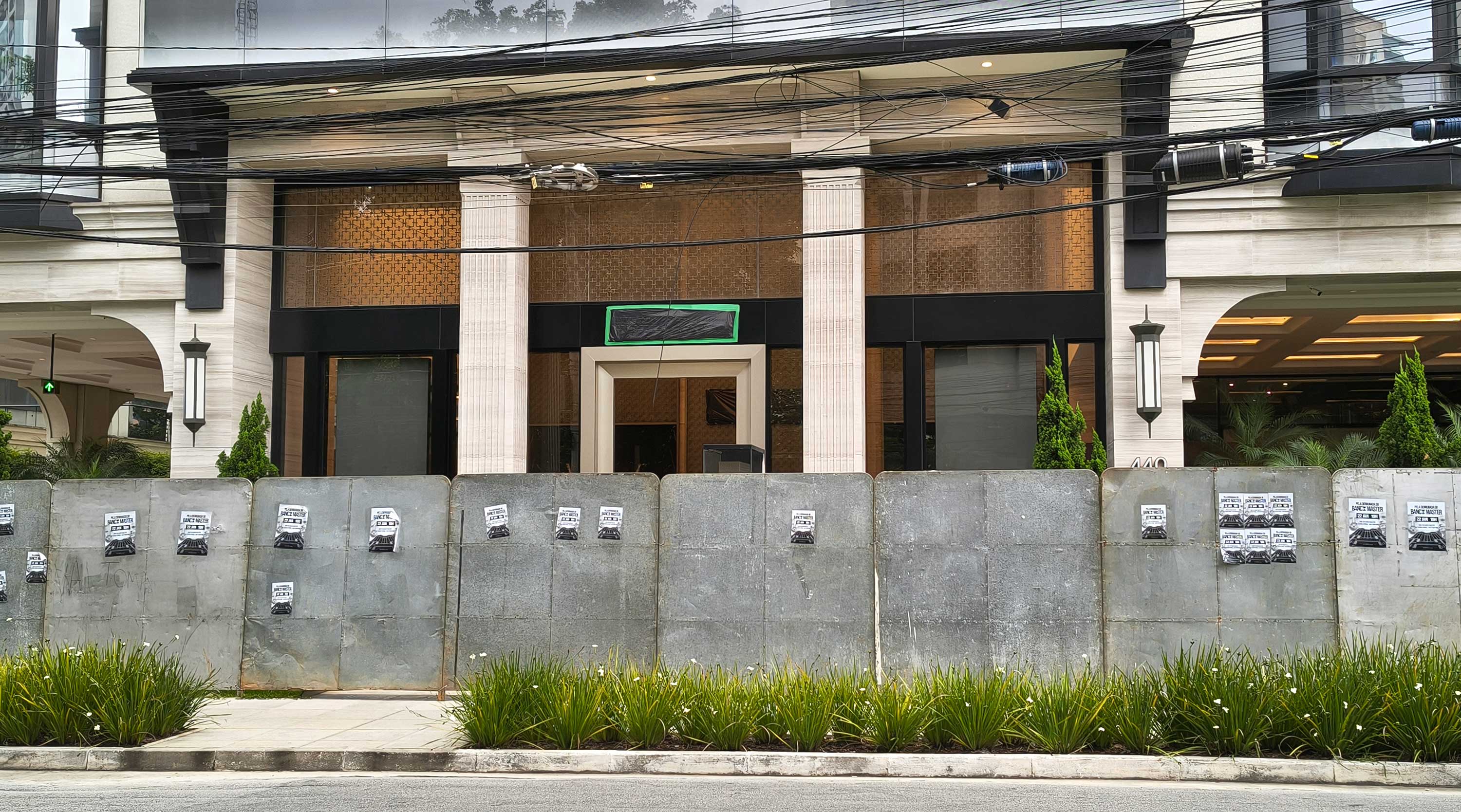
Lula signs digital platform regulation package
- What happened: Last week, President Lula signed a set of bills and decrees to strengthen oversight of digital platforms in Brazil, incorporating Supreme Court (STF) interpretations of the Civil Rights Framework for the Internet.
- Why it matters: This move represents one of Brazil's most significant steps toward regulating big tech, at a time when countries worldwide are debating how to balance free speech and online safety. Critics warn of risks to digital freedom, while supporters see it as a necessary advancement against misinformation.

Record-high Selic still not beating inflation, analysis suggests
- What happened: An analysis published this week by the Rio Times Online argues that the Selic rate, despite being at a historically high level, is still not enough to contain Brazilian inflation. The report warns that premature interest rate cuts, driven by economic growth, could lead to the worst-case scenario: rising prices in a slowing economy.
- Why it matters: The debate over the Selic trajectory is central to the financial market and the upcoming elections. Any premature easing could further deteriorate the fiscal situation and put pressure on the exchange rate, directly affecting the pockets of Brazilians.
Economy and Markets
-
Ibovespa fluctuates: The main Brazilian stock index recorded 177,434 points on May 25, 2026, a 0.69% rise for the session but an accumulated drop of 6.41% for the month—still 28.45% higher than a year ago, according to Trading Economics. Foreign capital flow for May is negative by R$11.7 billion, according to B3 data through the 20th.
-
Brazil as a global investment hub: A recent seminar highlighted Brazil as a top global investment destination in 2026, with the real experiencing "double appreciation" and the Ibovespa reaching a record high of 192,624 points in February. FDI hit a record US$84 billion in 2025.
-
Brazil needs a new investment cycle: Economists from Santander concluded in a study published this week that recent economic recovery is not enough to expand the country's growth potential. The report points out that a new, broad investment cycle is necessary to sustain medium-term development.
Tech and Science
-
OpenAI closes deal with Brazilian media: OpenAI has partnered with Grupo Folha and Grupo UOL to integrate their journalism into ChatGPT, benefiting millions of users in Brazil. The agreement is part of the company's strategy to expand high-quality journalistic content on its AI platform.
-
Brazilian companies scale AI for measurable results: ISG research released this week shows that companies in Brazil are adopting AI, automation, and data with a disciplined focus on quantifiable gains. The study notes that while the country is advancing in digital maturity, it still faces the challenge of converting investments into real business impact.
-
Brazil bets R$2.5 billion (US$500 million) on AI for agriculture: Brazil has concentrated massive capital in AI applications for agricultural research, raising expectations for growth in productivity and climate resilience. International investors are monitoring Latin American food producers for digital advancements that could transform the sector.
-
Google launches Gemini for Science: Google introduced a new collection of scientific tools based on Gemini, designed to expand the scale and precision of scientific exploration. The initiative was announced at Google I/O 2026 and has the potential to impact research in Brazil and globally.
Around the World
-
France: Rape trial with disturbing allegations: This Wednesday's world news update highlights a rape trial in France featuring shocking accusations of abuse disguised as "sadomasochistic games," which is dominating European news.
-
Russia uses Orechnik missile against Kyiv: Folha de S.Paulo reported that a Russian missile model designed for atomic warfare was used for the first time against the Kyiv region, escalating international concerns about the war in Ukraine. This information was published on May 24.
-
Trump's pressure reshaping US electoral maps: Folha analysis indicates that political pressure from Trump has already altered about 20% of electoral maps in the United States ahead of the next elections, signaling a geographic reconfiguration of the American vote that could have consequences for the balance of power in Washington.
Keep an eye on
-
Selic trajectory and inflation: With the Central Bank keeping interest rates high and inflation proving stubborn, the market is watching the next economic indicators to gauge expectations on when, or if, monetary easing will occur—a decision that will impact exchange rates, stocks, and the cost of credit for businesses and households.
-
2026 Election and political scandal: The persistent deadlock in the polls and the unfolding political scandal could define the direction of the most important Brazilian election in decades. Any movement in the polls or new political developments will likely trigger an immediate reaction in the markets and the diplomatic arena.
-
Digital platform regulation: With the package signed by Lula this week, Brazil enters a new phase of regulatory dispute with big tech. Keep an eye on how these companies react, whether there will be legal challenges, and if other Latin American countries will follow the Brazilian model.
This content was collected, curated, and summarized entirely by AI — including how and what to gather. It may contain inaccuracies. Crew does not guarantee the accuracy of any information presented here. Always verify facts on your own before acting on them. Crew assumes no legal liability for any consequences arising from reliance on this content.
Powered by
