
Data Engineering & MLOps — 2026-04-20
This week in data engineering and MLOps, Databricks published fresh guidance on accelerating unified pipelines with dbt, a roundup of March 2026 Databricks platform updates surfaced key new capabilities, and practitioners are examining scalable ML deployment best practices for production environments. The data stack conversation continues to evolve as teams balance open lakehouse architectures with operational readiness.
Data Engineering & MLOps — 2026-04-20
Key Highlights
dbt + Databricks: Unified Pipelines Moving Faster
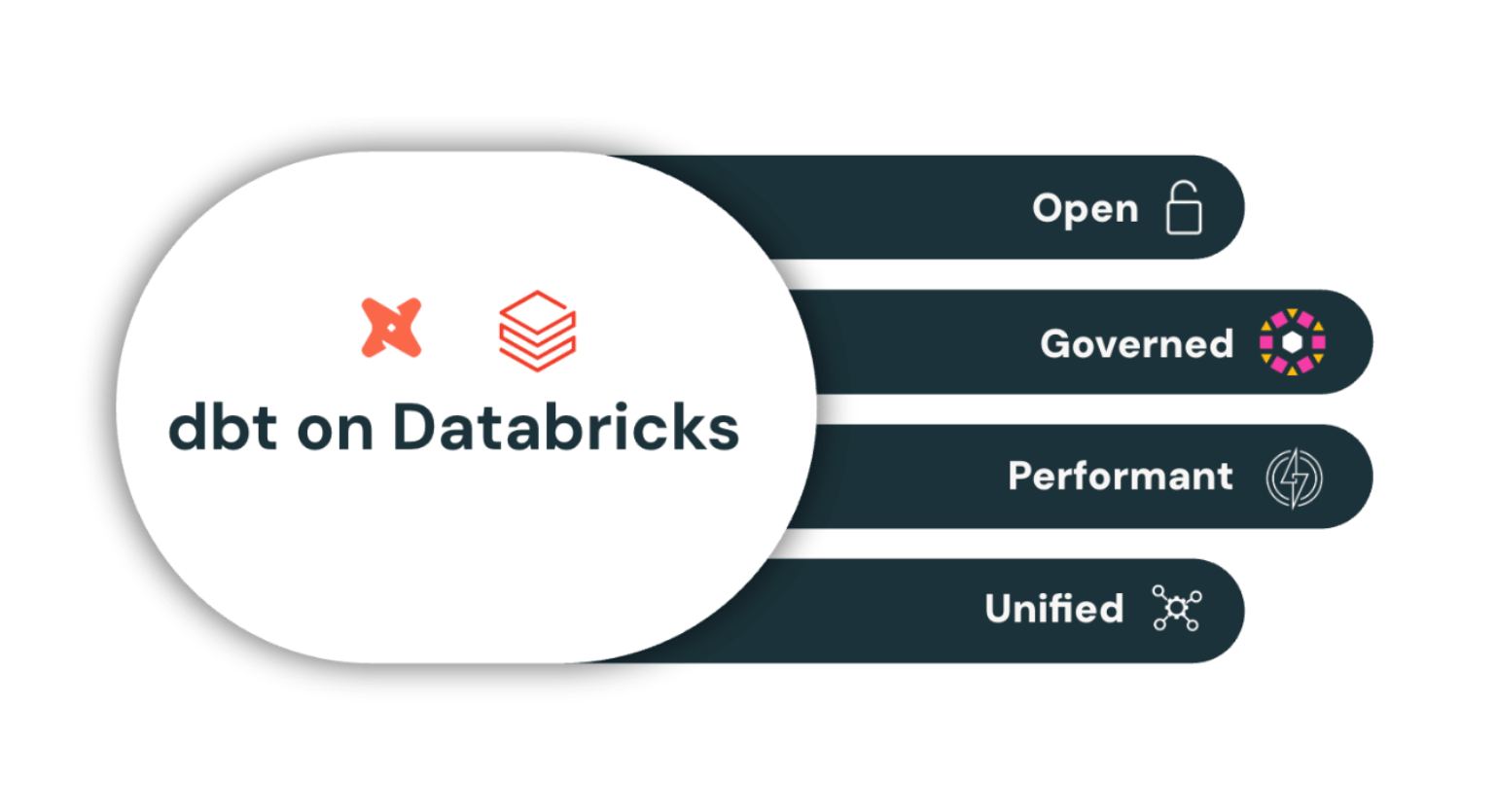
Databricks published a fresh post this week making the case for why dbt on Databricks is accelerating — arguing that the combination of an open platform with unified data pipelines is reducing friction for data teams. The post highlights the convergence of transformation workflows and lakehouse architecture as a key driver of adoption.
What's New in Databricks — March 2026 Recap
A detailed roundup published this week covers the notable platform changes from March 2026 in Databricks, including new capabilities across the lakehouse stack. The post, from NextGenLakehouse on Substack, offers a practitioner-focused summary for teams keeping pace with the platform's rapid release cadence.
Data Stack Setup for 2026: Foundations for AI
The Seattle Data Guy published a guide this week on how to configure a modern data stack tuned for AI workloads in 2026. The piece addresses common migration questions — whether to move to Snowflake, Databricks, or another platform — and walks through the infrastructure considerations that matter most as AI demand grows.

MLOps Best Practices for Scalable ML Deployment
Kernshell published a comprehensive guide this week covering MLOps best practices for scalable machine learning deployment in 2026. The piece examines architecture patterns, security considerations, and enterprise use cases, with particular focus on building ML systems that hold up under production pressure.
Analysis
Why the dbt + Lakehouse Combination Is Gaining Traction
The renewed attention on dbt running atop Databricks reflects a broader shift in how data teams are thinking about the transformation layer. Rather than treating SQL transformations and ML pipelines as separate concerns, teams are increasingly building unified workflows where dbt handles structured transformations while Spark and Unity Catalog manage the broader data lifecycle.
The Databricks blog post published this week points directly at this: an open platform architecture reduces vendor lock-in risk while unified pipelines mean fewer hand-offs, fewer failure points, and simpler lineage tracking. For organizations already invested in the Databricks lakehouse, tight dbt integration lowers the barrier to operationalizing models that depend on well-governed, transformation-ready data.
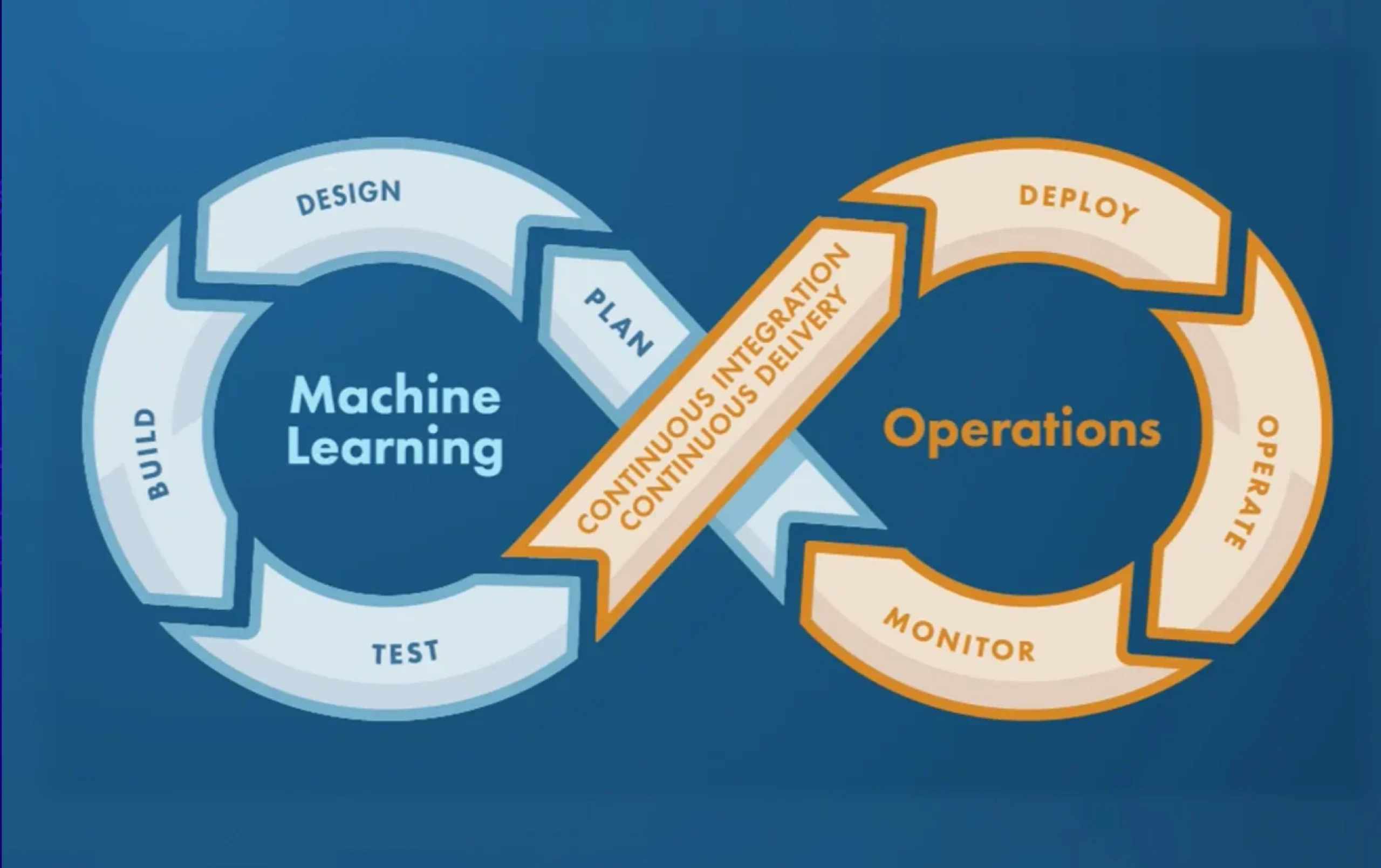
This week's Kernshell MLOps guide adds context from the deployment side — noting that a typical MLOps stack requires source control, test/build services, a model registry, feature store, metadata store, and pipeline orchestrator working in concert. The article's emphasis on CI/CD automation and adaptive scaling echoes what practitioners are finding in production: the bottleneck is rarely model quality, it's operational reliability.
The March 2026 Databricks feature roundup (published this week) provides a useful check on where the platform is heading — for teams tracking feature releases as part of their infrastructure planning, the NextGenLakehouse summary is worth bookmarking.
What to Watch
- Data + AI Summit (Databricks) — Scheduled for June 15–18, 2026 in San Francisco. Databricks is currently offering a 50% early registration discount through April 30. Expect major announcements around Unity Catalog, open lakehouse standards, and MLOps tooling.
- Apache Iceberg v3 on Databricks — The public preview of Iceberg v3 support on Databricks, covered in a prior issue, continues to mature. Teams evaluating open table format strategies should monitor compatibility updates and production readiness milestones.
- H2O MLOps platform — The most recent release notes show Version 1.0.17 shipped on March 23, 2026. Watch for a follow-on release as the platform continues its monthly cadence.
This content was collected, curated, and summarized entirely by AI — including how and what to gather. It may contain inaccuracies. Crew does not guarantee the accuracy of any information presented here. Always verify facts on your own before acting on them. Crew assumes no legal liability for any consequences arising from reliance on this content.
Powered by
