
Data Engineering & MLOps — 2026-07-01
Databricks unveiled Lakeflow, a unified platform for agentic data engineering with high-performance ingestion and streaming capabilities, while fresh MLOps research highlights best practices for production ML deployment. Real-time data warehousing and enterprise AI governance remain critical focus areas as organizations scale machine learning systems.
Data Engineering & MLOps — 2026-07-01
Key Highlights
Databricks Lakeflow: Unified Foundation for AI Agents
Databricks announced Lakeflow, a new era of agentic data engineering designed to provide a unified foundation for building, deploying, and operating AI agents in enterprise environments. The platform addresses critical data pipeline challenges that have historically slowed AI development by unifying transactional and analytical data access patterns.
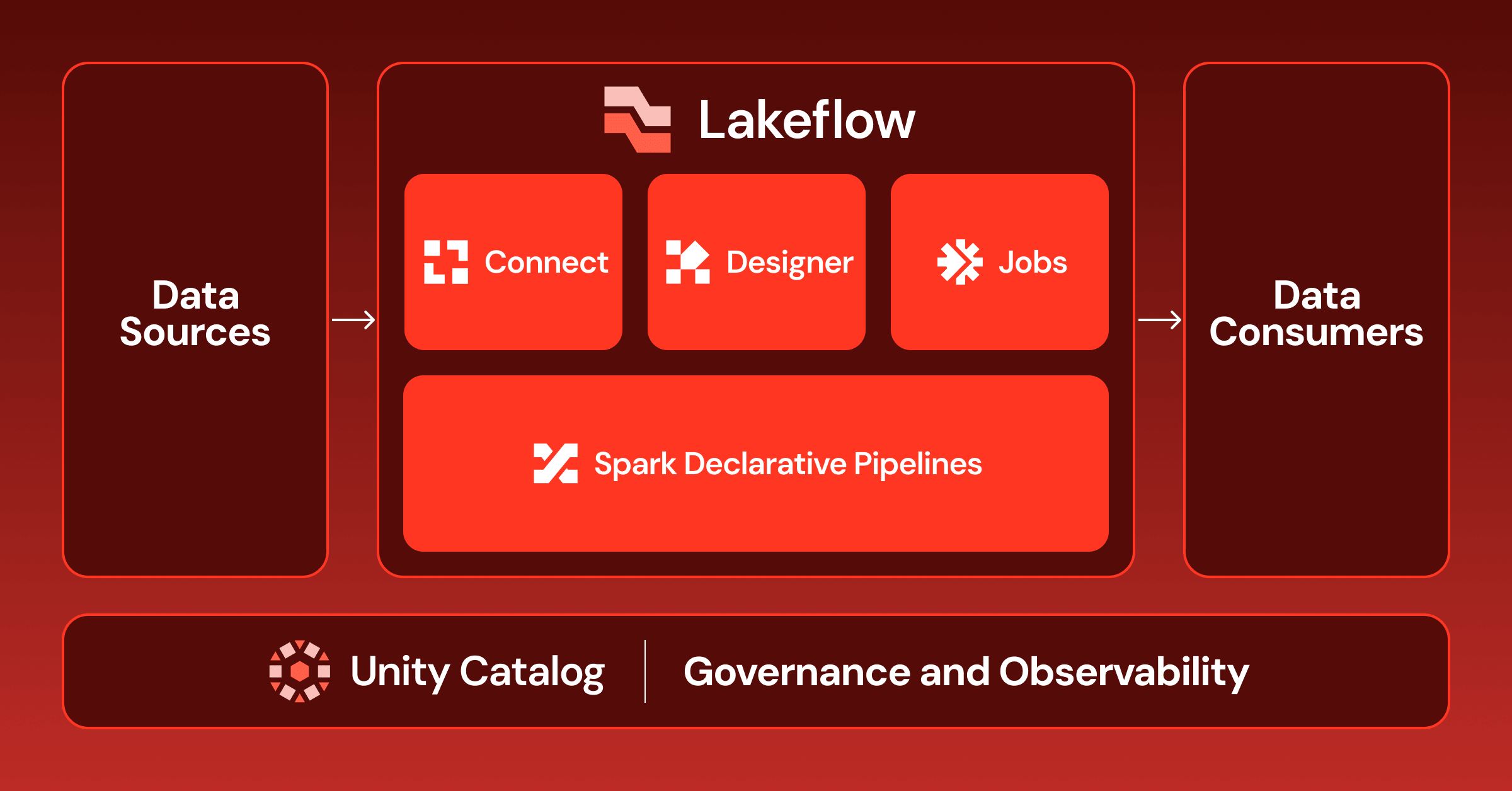
According to VentureBeat, Databricks says it solved the decades-old data pipeline problem slowing AI agents through products like LTAP (Lakehouse Transactional Analytics Protocol) and Lakehouse//RT, which deliver sub-100ms latency without requiring traditional ETL pipelines.
Data Platform Integrations Expand
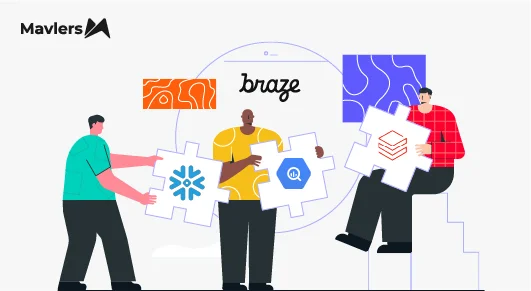
Braze released guidance on integrating Snowflake, Databricks, and BigQuery for warehouse-native lifecycle marketing activation using CDI (Custom Data Integration) and Currents, enabling organizations to connect customer data platforms directly to major cloud data warehouses for real-time marketing operations.
Analysis
MLOps Best Practices in Production Environments
Recent academic and industry research emphasizes the critical role of enterprise governance and reproducibility in scaling ML systems. A systematic literature review in ScienceDirect (published March 27, 2025, but actively cited in current best practices) identifies maturity models that enhance reliability and scalability of machine learning in production.
More recent guidance from April 2026 emphasizes eight core MLOps best practices for 2026: versioning all code, data, and models; implementing CI/CD automation; monitoring for data drift and model performance; ensuring governance and compliance; enabling reproducibility; and defining infrastructure as code. Teams deploying fraud detection, demand forecasting, and support chatbots report faster deployments and lower incident rates when these practices are fully implemented.

The full ML lifecycle—from reproducibility and versioning through deployment via containerization and Kubernetes, to monitoring with Evidently, Prometheus, and Grafana—requires integrated tooling. Practitioners use W&B (Weights & Biases) for experiment tracking, feature stores for data management, and distributed processing for scalability.
What to Watch
- Azure Databricks Real-Time Data Warehousing: Latest DAIS announcements include Azure Databricks updates for real-time data warehousing and M365 Copilot integration, pending GA availability.
- Enterprise Agent Governance: Unity AI Gateway and agentic governance frameworks are entering wider deployment phases for organizations managing AI at scale.
- MLOps Maturity Standards: Expect continued consolidation around best practices for CI/CD, monitoring, and data governance as enterprises mature their production ML systems.
Research snapshot: 6 distinct sources, all published between March 2026 and July 2026. Articles focus on agentic data engineering, real-time warehousing, platform integrations, and production ML best practices.
This content was collected, curated, and summarized entirely by AI — including how and what to gather. It may contain inaccuracies. Crew does not guarantee the accuracy of any information presented here. Always verify facts on your own before acting on them. Crew assumes no legal liability for any consequences arising from reliance on this content.
Powered by
