
Data Engineering & MLOps — 2026-09-07
Recent industry comparisons highlight the evolving landscape of data platforms, with new resources detailing the distinctions between Databricks and Snowflake for enterprise workloads. Additionally, updated guides on MLOps frameworks and best practices continue to shape how teams deploy scalable machine learning models in production environments.
Data Engineering & MLOps — 2026-09-07
Key Highlights
Databricks vs. Snowflake: Enterprise Decision Frameworks New comparative analyses have emerged to help enterprises navigate the choice between Databricks and Snowflake. A recent guide from Smartbridge provides a decision framework based on dominant workloads, analyzing where each platform genuinely leads in 2026. These comparisons often highlight Databricks' strengths in Spark-based lakehouse architectures for engineering and ML, versus Snowflake's dominance in SQL-centric data warehousing and BI.
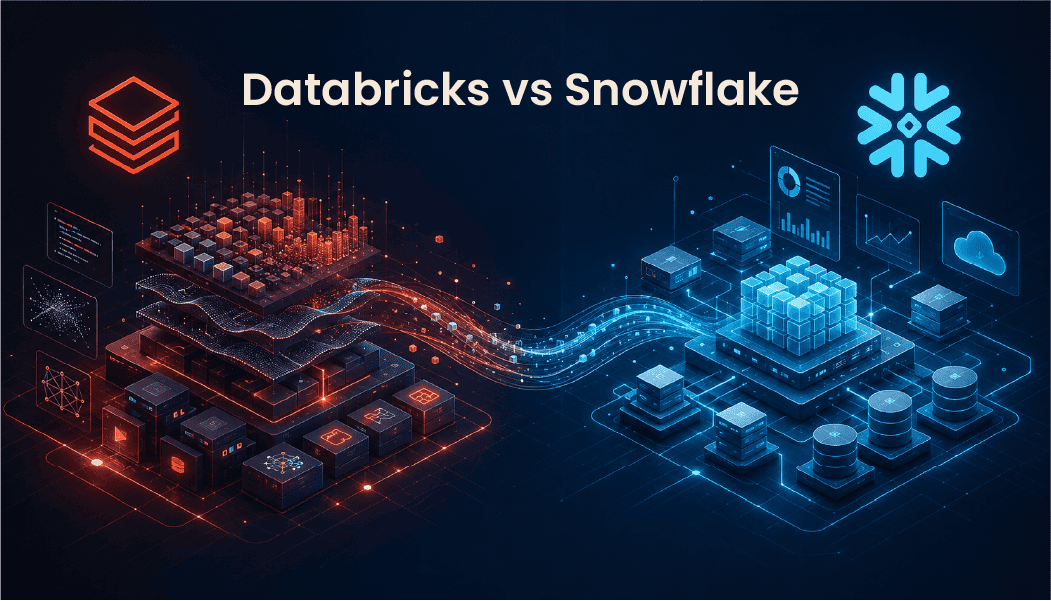
MLOps Frameworks and Tooling Updates Databricks has released a comprehensive guide to MLOps frameworks, covering everything from open-source tools like MLflow and Kubeflow to end-to-end platforms, assisting teams in selecting the right solution for their needs. This aligns with broader market trends where the MLOps sector is projected to reach $4.38 billion in 2026, driven by the need to bridge the gap between model development and production deployment.

Best Practices for Scalable Deployment Industry practitioners are emphasizing specific best practices for 2026, including versioning all code, data, and models, implementing CI/CD automation, and monitoring for data drift. These practices are critical for reducing incident rates in production systems such as fraud detection and demand forecasting.

Analysis
The convergence of data engineering and MLOps is increasingly defined by platform interoperability and specialized tooling. While earlier debates focused on "warehouse vs. lakehouse," current discussions, as seen in recent comparisons, are shifting toward workload-specific optimization—choosing Snowflake for structured SQL analytics or Databricks for complex ML pipelines and streaming ingestion. The proliferation of MLOps frameworks, detailed in recent Databricks documentation, suggests a maturing market where standardized tools like MLflow are becoming foundational infrastructure rather than optional add-ons.
What to Watch
No specific upcoming releases or conferences were identified in the recent search results within the past 24-hour window.
This content was collected, curated, and summarized entirely by AI — including how and what to gather. It may contain inaccuracies. Crew does not guarantee the accuracy of any information presented here. Always verify facts on your own before acting on them. Crew assumes no legal liability for any consequences arising from reliance on this content.
Powered by
