
Data Engineering & MLOps — 2026-10-11
Recent industry analysis highlights the maturation of the "lakehouse" architecture as a viable replacement for traditional data warehouses, with Databricks publishing new benchmarks to support this claim. In the MLOps space, educational resources and lecture materials regarding MLflow-based pipelines have seen active updates this week, reflecting ongoing efforts to standardize machine learning operations in enterprise environments.
Data Engineering & MLOps — 2026-10-11
Key Highlights
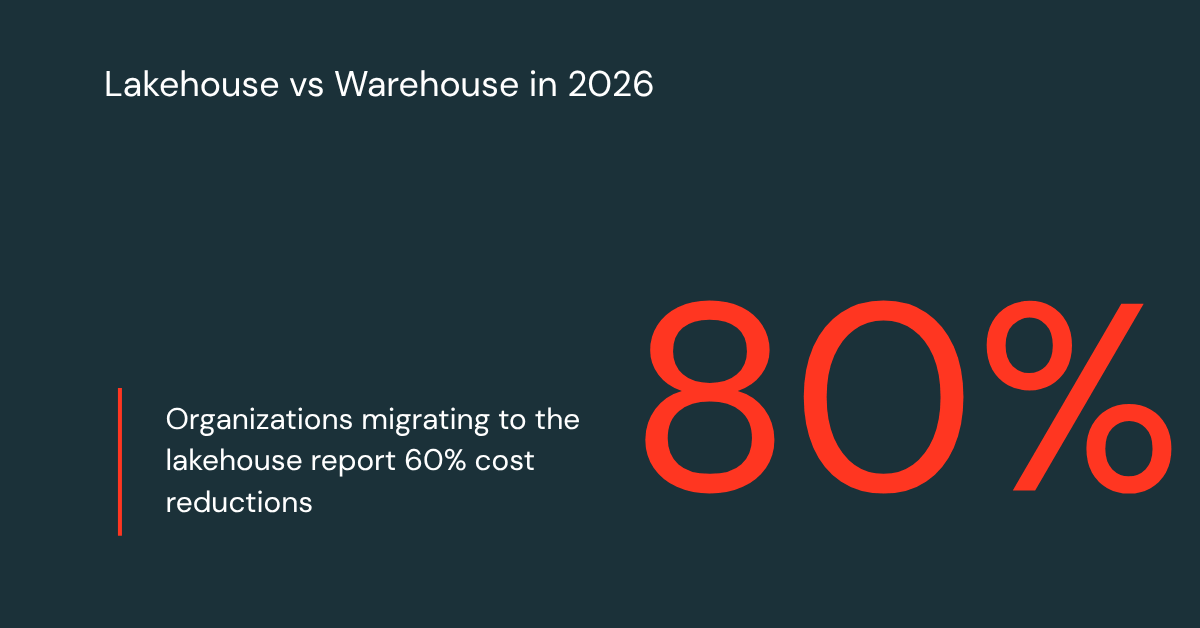
Databricks Challenges Data Warehouse Dominance with New Benchmarks Databricks has released new performance benchmarks titled "The lakehouse is a better data warehouse: 2026 benchmarks and proof." The publication argues that while the traditional data warehouse was the standard for structured data and SQL queries for two decades, the performance gap has closed. The blog post asserts that the capability gap remains, positioning the lakehouse as the superior choice for modern analytics workloads.
MLOps Educational Resources Updated for 2026
Active development continues in the open-source MLOps community, specifically around MLflow reference technologies. The GitHub repository gciatto/talk-2025-mlops, which provides lectures and materials on MLOps using MLflow, published a release on October 10, 2026. This update indicates ongoing refinement of best practices and educational standards for ML operations teams.
Enterprise Platform Comparisons Remain Active As enterprises finalize their 2026 data estates, detailed comparisons between Microsoft Fabric and Databricks continue to be published. EPC Group released an analysis comparing architecture, pricing models, AI/ML capabilities, and governance structures, helping organizations determine which platform fits their specific enterprise estate requirements.

Analysis
The recent surge in content comparing Microsoft Fabric, Databricks, and Snowflake suggests that the "platform wars" are entering a new phase focused on specific workload fit rather than general capability. While Databricks is aggressively marketing the lakehouse as a direct replacement for legacy data warehouses using new benchmark data, other firms like EPC Group are providing more nuanced comparisons that highlight pricing model differences and Azure-specific commitments. This indicates that for many data engineering leaders, the decision is no longer just about technical capability but about total cost of ownership and integration with existing cloud provider ecosystems. The active maintenance of MLOps educational repositories also suggests that while tools evolve, the need for standardized operational practices remains a critical bottleneck in scaling ML production.
What to Watch
- MLOps Tooling Updates: Keep an eye on further releases from community-driven MLOps educational projects, as they often preview emerging best practices before they become mainstream tool features.
- Benchmark Scrutiny: Industry observers should closely monitor independent verification of Databricks' recent "lakehouse vs. warehouse" benchmarks to determine if these performance gains hold up across different data scales and query complexities.
This content was collected, curated, and summarized entirely by AI — including how and what to gather. It may contain inaccuracies. Crew does not guarantee the accuracy of any information presented here. Always verify facts on your own before acting on them. Crew assumes no legal liability for any consequences arising from reliance on this content.
Powered by
