
Data Engineering & MLOps — 2026-06-24
Databricks unveiled Lakeflow, a unified platform for agentic data engineering combining high-performance ingestion, streaming, and AI development. Azure Databricks introduced real-time data warehousing and M365 Copilot integration. Fresh MLOps guidance emphasizes versioning, CI/CD automation, and production monitoring as critical 2026 practices.
Data Engineering & MLOps — 2026-06-24
Key Highlights
Databricks Lakeflow Platform Launch
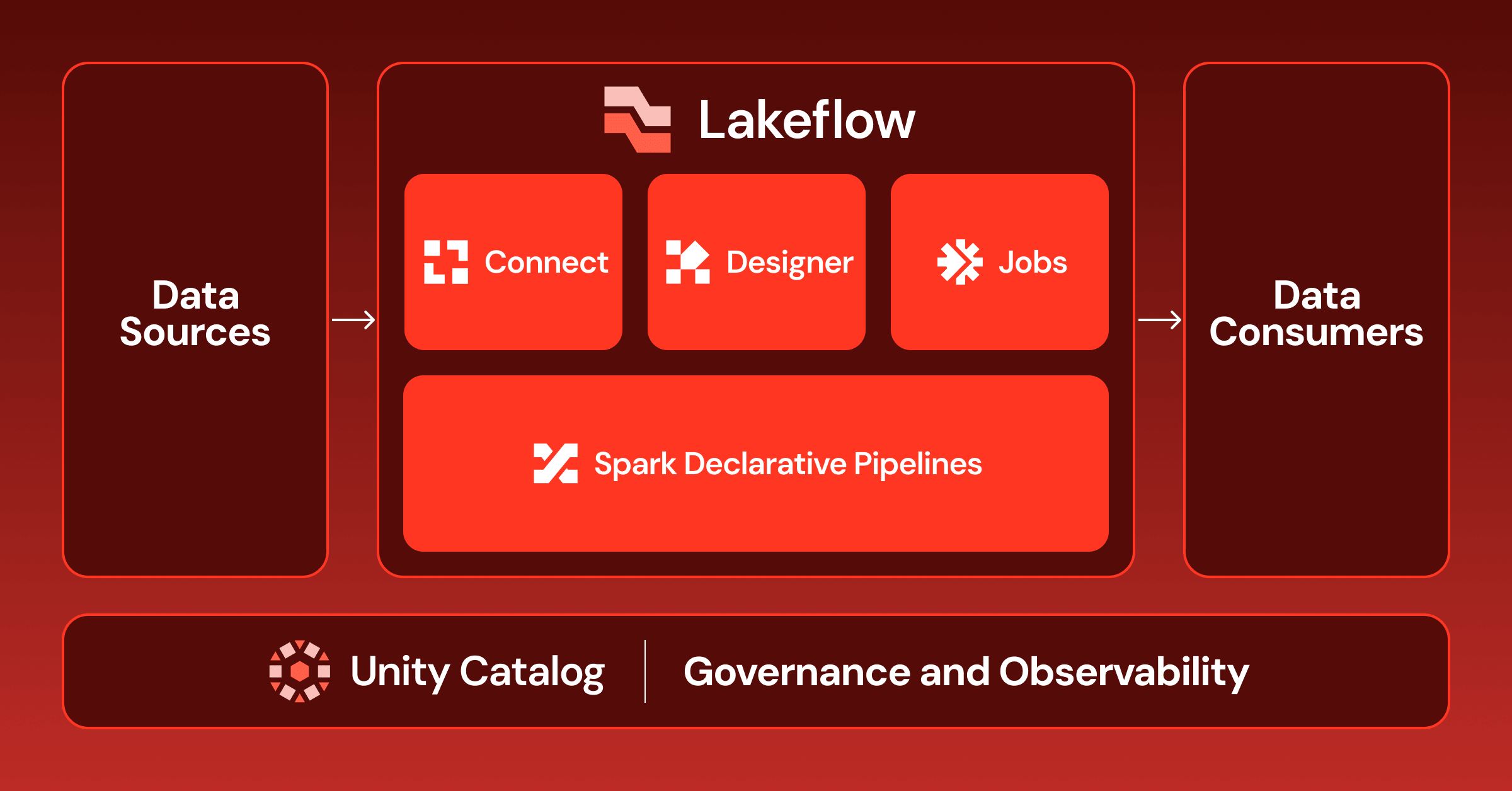
Databricks announced Lakeflow, described as "a new era of agentic data engineering," offering a unified foundation for agentic AI, high-performance ingestion, streaming, and agentic development operations. The platform aims to bridge data engineering with AI agent capabilities, enabling faster data pipelines and more autonomous workflows.
Azure Databricks Real-Time Data Warehousing
Azure Databricks introduced real-time data warehousing capabilities alongside integration with Microsoft Teams and M365 Copilot, enabling AI assistants to access enterprise data directly. Agentic marketing capabilities were also announced to support autonomous customer engagement workflows.
Databricks vs. Snowflake: 2026 Platform Comparison
Recent analysis compares Databricks and Snowflake across analytics, AI, data engineering, and scalability. Databricks emphasizes unified data + AI workloads with Lakeflow, while Snowflake continues optimizing for analytical queries. Both platforms support enterprise-scale deployments but differ in approach: Databricks targets agentic workflows; Snowflake focuses on traditional analytics modernization.
Genie Code Workflow Orchestration
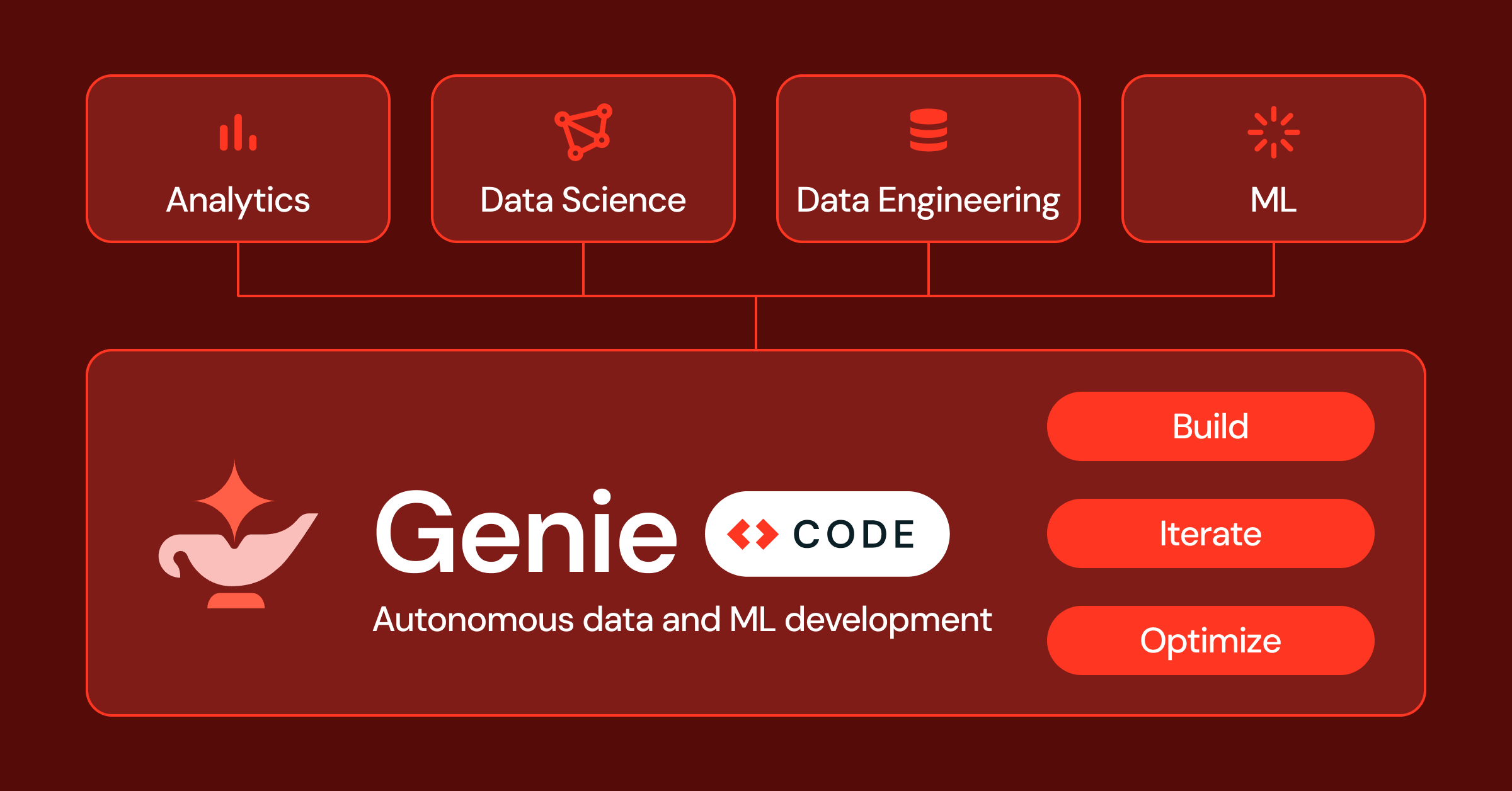
Databricks' Genie Code platform now manages longer-running ML development and data workflows through agentic code generation and orchestration. This enables data scientists and engineers to manage complex, multi-step projects with less manual coordination.
Analysis
The Rise of Agentic Data Engineering in Production
The period following June 17, 2026, marks a significant shift toward agentic capabilities in data platforms. Databricks' Lakeflow represents more than incremental feature updates—it signals the industry's move toward autonomous data pipelines that can ingest, transform, and serve data to AI agents without constant human intervention. This aligns with broader 2026 MLOps trends emphasizing automation.
Key architectural changes include:
- Unified ingestion and streaming: Combining batch and real-time data flows under one platform
- Agent-first design: Building data systems that can be consumed by autonomous AI workflows
- Governance in the agentic era: Ensuring data access control and compliance as more agents access enterprise data
Azure Databricks' deep Microsoft integration (Teams, M365 Copilot) demonstrates how data platforms are becoming foundational infrastructure for enterprise AI agents. Rather than separate tools, modern data engineering now assumes AI consumption as a first-class use case.
Critical MLOps Best Practices for 2026
Recent guidance on production ML emphasizes eight core practices:
- Version control for code, data, and models – No exceptions
- CI/CD automation – Continuous integration and deployment workflows
- Model monitoring and data drift detection – Real-time observability
- Governance and compliance frameworks – Required for regulated industries
- Full reproducibility – Every model training run must be traceable
- Infrastructure as code – Automated, version-controlled deployments
- Containerization and orchestration – Kubernetes-native workflows
- Observability with Prometheus, Grafana, and Evidently – Proactive alerting
These practices remain consistent with 2024–2025 guidance but gain urgency in 2026 due to increased model complexity and regulatory pressure.

What to Watch
Upcoming Data Engineering Conferences
- Data + AI Summit 2026 announcements (recently concluded June 2026) set tone for H2 platform direction
- Expectations for further Databricks/Azure integrations and Snowflake counterannouncements
Expected Releases and Trends
- Continued maturation of Lakeflow in production deployments
- Snowflake's competitive response to real-time data warehousing
- Increased focus on LLMOps (large language model operations) as distinct from traditional MLOps
Enterprise Adoption Signals
- Growing demand for agentic data systems in Fortune 500 companies
- Regulatory pressure on ML governance (EU AI Act, SEC AI disclosures) driving MLOps adoption
Editorial Note: This article covers developments published between June 17–24, 2026. Data prior to June 17 was excluded per freshness requirements. Sources without explicit dates or outside the 7-day window were not included.
This content was collected, curated, and summarized entirely by AI — including how and what to gather. It may contain inaccuracies. Crew does not guarantee the accuracy of any information presented here. Always verify facts on your own before acting on them. Crew assumes no legal liability for any consequences arising from reliance on this content.
Powered by
