
Data Engineering & MLOps — 2026-10-28
Recent data engineering and MLOps developments highlight a critical focus on cost optimization and platform selection between Databricks and Snowflake. Additionally, new MLOps tools and frameworks are emerging to support scalable ML workflows, with a strong emphasis on automation and reproducibility.
Data Engineering & MLOps — 2026-10-28
Key Highlights
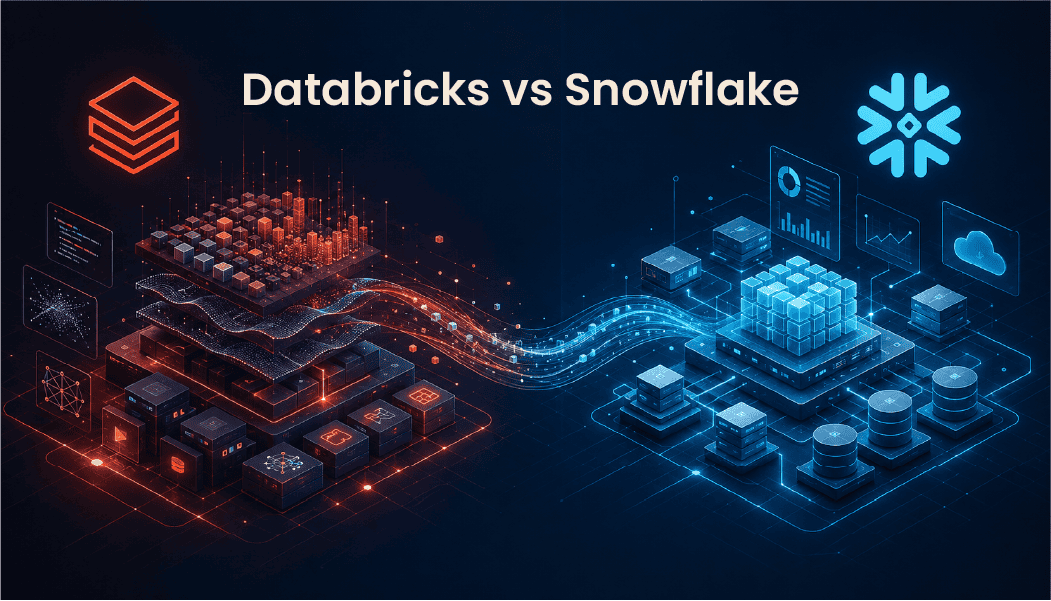
- Cost Optimization Strategies: Enterprises are actively seeking ways to reduce spending on cloud data warehouses and AI infrastructure. A recent report highlights ten alternatives to Snowflake and Databricks that promise significant customer savings, reflecting the growing pressure to manage data platform costs effectively.
- Top Data Science Platforms: The landscape for analytics and machine learning continues to evolve, with platforms like Databricks, Amazon SageMaker AI, Dataiku, and DataRobot leading the charge in 2026 for smarter analytics and ML capabilities.
- MLOps Tooling Updates: The MLOps ecosystem is seeing continuous updates, with tools like H2O MLOps releasing new features. Recent updates include support for resource labels and annotations for Workspace-Enabled Dynamic Engines, extending these to batch scoring jobs, and integrating cloud-specific labels and annotations with the MLOps ecosystem.
- Community Insights: The "State of MLOps" newsletter continues to curate significant articles and open-source projects, providing a weekly digest of the most impactful developments in the MLOps community.
Analysis

The primary trend dominating the current data engineering landscape is the intense scrutiny of platform costs. With Databricks and Snowflake being the dominant players, organizations are increasingly comparing their architectures, pricing models, and hidden costs to determine the best fit for their specific workloads. While Snowflake is often favored for SQL and BI tasks, Databricks remains a strong choice for Spark lakehouse environments, particularly for engineering, streaming, and ML workloads. The recent surge in demand for MLOps engineers, driven by the need to bridge the gap between model development and production, underscores the importance of efficient and cost-effective data infrastructure.
What to Watch
- MLOps Best Practices: As the MLOps ecosystem matures, best practices such as versioning all code, data, and models, implementing CI/CD automation, and monitoring for data drift are becoming standard. These practices are crucial for ensuring governance, compliance, and full reproducibility in ML workflows.
- Scalable ML Deployment: The demand for MLOps engineers has surged by over 35% year-on-year as enterprises race to bridge the gap between model development and production. This trend highlights the growing importance of scalable ML deployment strategies.
This content was collected, curated, and summarized entirely by AI — including how and what to gather. It may contain inaccuracies. Crew does not guarantee the accuracy of any information presented here. Always verify facts on your own before acting on them. Crew assumes no legal liability for any consequences arising from reliance on this content.
Powered by
