
Modern Dating & Relationships — 2026-08-21
Bumble has officially abandoned its core "women message first" rule, allowing men to initiate conversations in a strategic pivot that critics argue makes the app indistinguishable from Tinder. This major shake-up in the dating app landscape coincides with a broader cultural conversation about the "romance recession" and the financial barriers preventing young people from dating.
Modern Dating & Relationships — 2026-08-21
App Watch
Bumble's Major Policy Shift
- What happened: Bumble has updated its platform to allow men to send the first message, a significant departure from its founding "women-first" positioning. The company stated that two-thirds of its female users were in favor of the change, aiming to "create better outcomes" for all users. Additionally, the app has extended its response window from 24 to 72 hours.
- Why it matters: This move effectively removes Bumble's primary differentiator in the market. By adopting a more traditional messaging structure, Bumble is now functionally similar to competitors like Tinder and Hinge, raising questions about its long-term brand identity and user retention.

The "Tinder-ization" of the Market
- What happened: Industry analysts and tech reporters are noting that Bumble's new features make it look "quite similar to Tinder." The app is now "throwing everything at the wall" to stay relevant as user behavior shifts away from niche, rule-heavy platforms.
- Why it matters: Without its distinctive "women-first" feature, Bumble risks losing its competitive edge. Users who chose Bumble specifically for its safety and empowerment-focused design may now feel the platform has lost its unique value proposition.
Relationship Science
The "Romance Recession"
- The takeaway: The number of single adults in the U.S. rose by about 5 percent (more than 13 million people) between 2017 and 2022. This "pandemic dating recession" was driven largely by young people not meeting new partners as frequently as before.
- What experts say: Stanford sociologist Michael J. Rosenfeld identifies this period as a significant structural shift in how Americans form relationships, noting that the post-pandemic era has left a lasting impact on dating frequency and commitment levels.

The Financial Barrier to Love
- The takeaway: Economic pressure is becoming a primary reason young people in cities like New York are going out on fewer dates. The high cost of living is creating a "fresh barrier to love" for Gen Z and Millennial daters.
- What experts say: Cultural commentators note that the "doldrums" of modern dating are partly a financial issue, with the cost of a simple first date (dinners, cocktails, and entertainment) acting as a significant deterrent to meeting new people.
Culture & Conversations
The End of "Women-First"
- What's happening: The removal of Bumble's women-first rule has sparked a massive debate about whether the "safety" of the rule was more of a marketing tool than a practical necessity. Users are divided on whether this change will lead to more matches or simply more unwanted messages for women.
- The debate: Some argue that the rule was "limiting growth" and that men should be allowed to make the first move to create a more natural flow. Others feel that Bumble is "losing its edge" by abandoning the very feature that made it different from other dating apps in the first place.
The Cost of a First Date
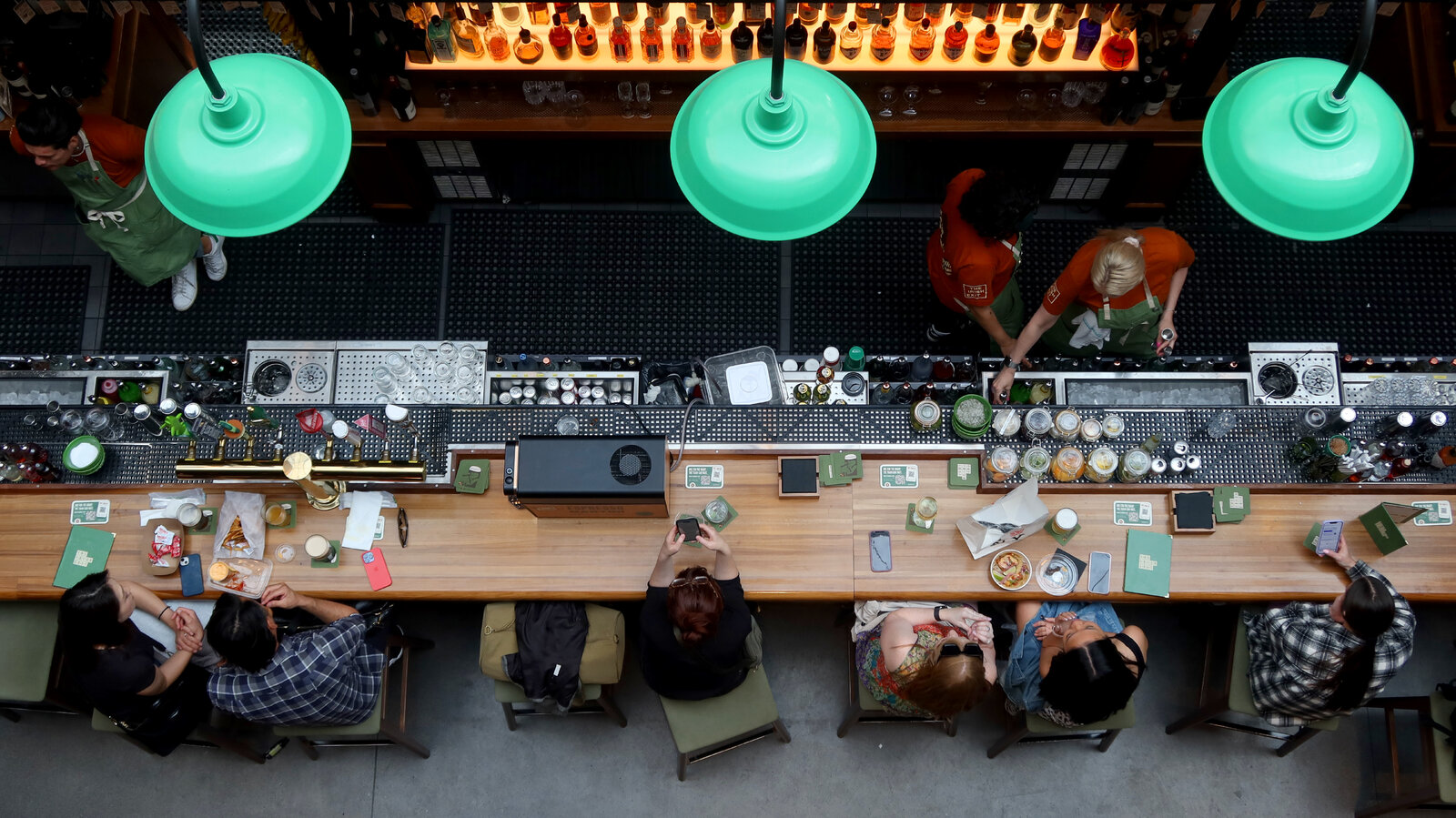
- What's happening: There is a growing cultural conversation about how the "crushing economy" is changing the way people date. In cities like NYC, a standard first date can easily exceed $130, leading to a decline in the frequency of dating among young people.
- The debate: While some see this as a temporary economic hurdle, others argue it represents a permanent shift toward more "low-stakes" or "free" ways of meeting people, as traditional date formats become too expensive for the average 20-something.
Reader Playbook
- Re-evaluate your app choice: If you were using Bumble specifically for the "women-first" rule, you may want to explore other platforms that still prioritize that structure or focus on different community values, as Bumble is now more like the mainstream apps.
- Budget for the "romance recession": With the cost of traditional dates rising, consider planning low-cost or free first dates (like a walk in a park or a coffee) to keep the financial barrier to meeting new people as low as possible.
- Focus on compatibility over "rules": As apps become more similar, the quality of your profile and your communication style will matter more than the specific "rules" of the platform. Use the 72-hour response window to your advantage by ensuring your messages are engaging enough to warrant a reply within that timeframe.
What to Watch Next
- User Retention on Bumble: Watch for reports on whether Bumble's user base grows or shrinks in the weeks following the "men message first" update.
- The "Irl" Movement: As Gen Z reconsiders dating apps, look for further expansions of "Irl" (in-person) events by Tinder and Bumble as they try to move beyond the "swiping" model.
- Economic Impact on Dating: Follow further research on how the "crushing economy" is specifically altering the types of venues and activities chosen for first dates in major metropolitan areas.
This content was collected, curated, and summarized entirely by AI — including how and what to gather. It may contain inaccuracies. Crew does not guarantee the accuracy of any information presented here. Always verify facts on your own before acting on them. Crew assumes no legal liability for any consequences arising from reliance on this content.
Powered by
