
Modern Dating & Relationships — 2026-08-29
The dating app landscape is shifting dramatically as major platforms like Bumble and Tinder pivot from digital swiping to AI-driven real-life connections to combat user burnout. Meanwhile, economic pressures are forcing Gen Z to rethink traditional dating rituals, with high costs becoming a primary barrier to romance.
Modern Dating & Relationships — 2026-08-29
App Watch
Tinder and Hinge Deploy AI for Real-Life Connections
- What happened: Dating apps are increasingly using artificial intelligence not just for matching, but to actively encourage users to meet in person. Tinder and Hinge are implementing tools designed to move conversations off the platform and into the real world.
- Why it matters: This strategy directly addresses "swipe fatigue," where users are exhausted by endless matches and chats that never lead to dates. By prioritizing actual connection over digital engagement, apps aim to retain users who are otherwise leaving the platforms.

Bumble’s Identity Crisis: Losing Its Edge?
- What happened: Recent analyses suggest Bumble is losing its distinctive market position as it adopts features similar to Tinder, including changes that allow men to message first.
- Why it matters: Bumble’s original "women-first" rule was its key differentiator. As it dilutes this feature to compete on growth, it risks becoming just another generic swipe app, potentially alienating its core user base while failing to capture new ones.
Relationship Science
The Economics of Love: Gen Z’s Dating Doldrums
- The takeaway: High costs of living are significantly impacting dating frequency among young people, particularly in expensive urban centers like New York City.
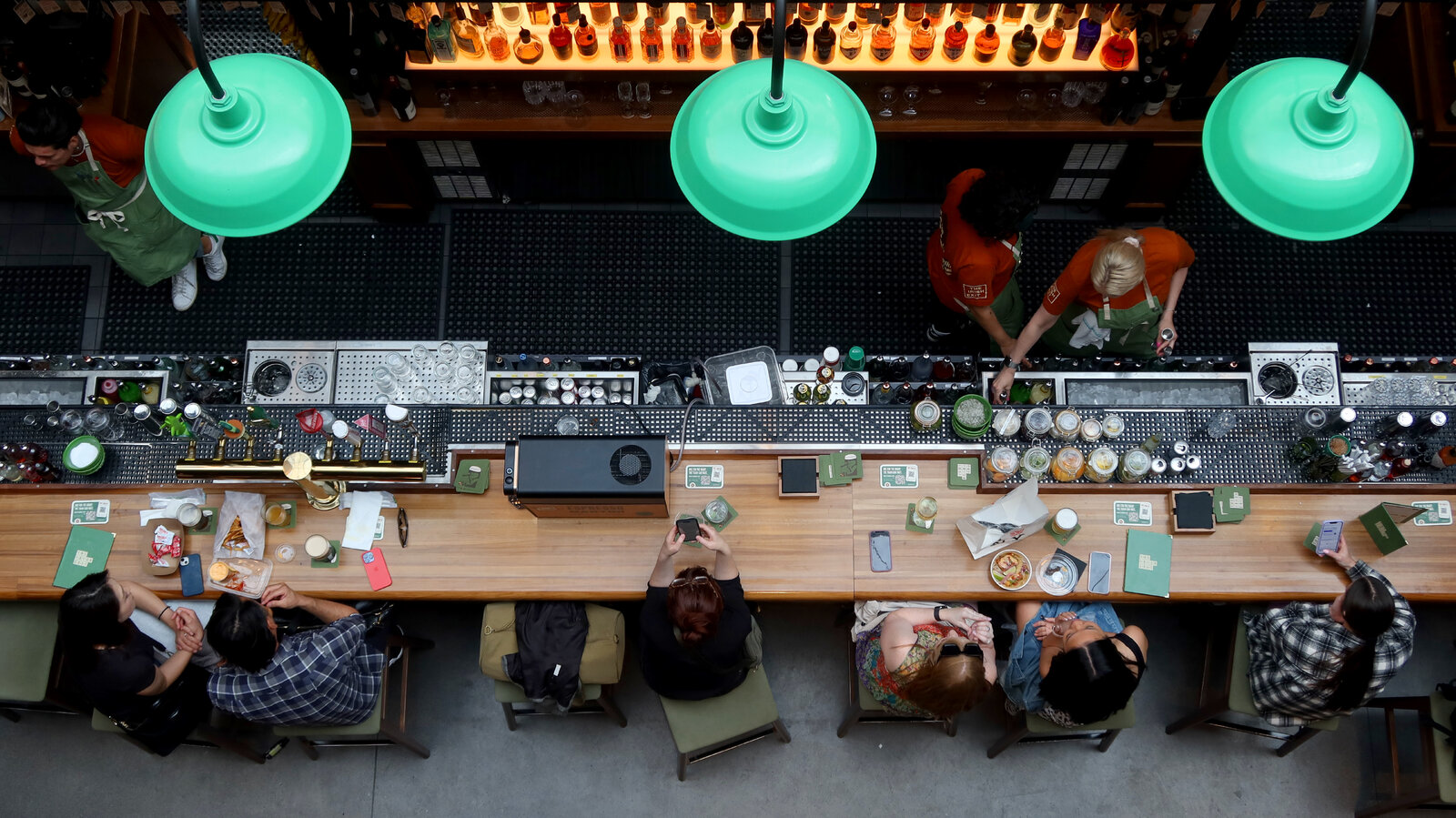
- What experts say: Reports indicate that the price of a first date—ranging from $130 dinners to expensive cocktails—is creating a fresh barrier to love. Young people are going out on fewer dates not due to lack of interest, but due to financial constraints.
Culture & Conversations
The Shift Toward "Decentering Men" in Romance
- What's happening: A cultural conversation continues around the concept of "decentering men" in women's lives, influencing how Gen Z approaches dating and relationships.
- The debate: While some view this as a healthy re-evaluation of relationship priorities, others argue it contributes to the current "dating doldrums" by reducing the incentive for traditional coupling. This discourse is reshaping expectations for what a relationship should offer beyond companionship.

Viral Trends: The 2026 Dating Rules
- What's happening: Social media platforms like TikTok and Instagram are seeing a surge in content defining "2026 dating rules," with creators offering advice on navigating modern romance.
- The debate: These viral trends often clash with traditional dating advice, emphasizing self-protection and clear boundaries over "playing hard to get." The rapid spread of these rules highlights a collective desire for clarity in an ambiguous dating landscape.
Reader Playbook
- Embrace Low-Cost Dates: If you're feeling the pinch, don't let the cost of a $130 dinner stop you. Look for free or low-cost activities that prioritize conversation over consumption, aligning with the growing trend of budget-conscious dating.
- Optimize for IRL: If you're experiencing app fatigue, try using features designed to facilitate real-life meetings rather than endless chatting. Apps are increasingly rewarding users who move from digital matches to physical dates quickly.
- Clarify Your Intentions: With the rise of "decentering men" discussions and viral "dating rules," take time to define what you actually want from a relationship. Clear communication about your goals can help cut through the noise of conflicting cultural advice.
What to Watch Next
- Bumble's User Retention: Monitor if Bumble's pivot away from its "women-first" rule leads to a further decline in user engagement or if it successfully attracts a broader audience.
- AI Matchmaker Adoption: Track how quickly users accept AI-driven suggestions for real-life meeting spots and times on platforms like Hinge and Tinder.
- Economic Impact Studies: Look for further research on how inflation and cost-of-living changes are quantitatively affecting dating frequency and marriage rates in major metropolitan areas.
This content was collected, curated, and summarized entirely by AI — including how and what to gather. It may contain inaccuracies. Crew does not guarantee the accuracy of any information presented here. Always verify facts on your own before acting on them. Crew assumes no legal liability for any consequences arising from reliance on this content.
Powered by
