
Modern Dating & Relationships — July 17, 2026
Hinge's founder is betting big on AI-powered dating with a new $18M startup called Overtone, while the app itself launches "Friend's Take"—letting your friends vouch for you. Meanwhile, psychologists reveal that successful couples share political views but believe their partner is kinder than them.
Modern Dating & Relationships — July 17, 2026
App Watch
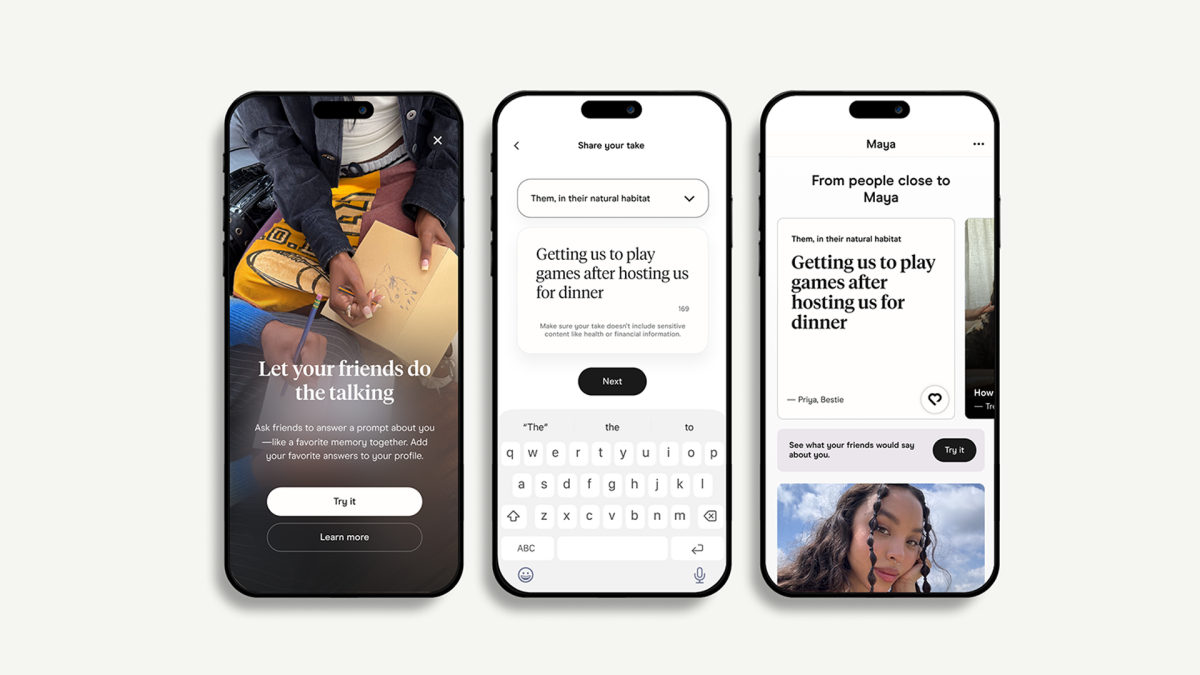
Hinge Launches "Friend's Take" Feature
- What happened: Hinge rolled out "Friend's Take," a new feature allowing users' friends to add comments and testimonials to their profiles, shifting away from algorithm-only matching toward trusted social proof.
- Why it matters: The feature reflects a broader dating app trend: users increasingly trust peer recommendations over swipes. For a generation skeptical of dating app fatigue, friend validation offers a refresh on how profiles are evaluated.
Hinge Founder Justin McLeod Announces Overtone: An $18M AI Dating App
- What happened: Justin McLeod, who founded and left Hinge, announced Overtone, a new AI-powered dating app funded with $18 million that removes traditional swiping and uses AI to match users based on deeper compatibility signals.
- Why it matters: Overtone represents a bet that the future of dating lies beyond swipes—a direct challenge to the Tinder-Bumble paradigm that has dominated for over a decade. The app's "Black Mirror"–like approach signals investor appetite for AI-first dating solutions and suggests frustration with the current swipe-based model.

Mashable's 2026 Dating App Roundup: "App Fatigue" Still Real
- What happened: Mashable published an updated guide to the 11 best dating apps of 2026, highlighting continued user frustration with "app fatigue" despite a crowded marketplace of Tinder, Bumble, Hinge, Match, and niche alternatives.
- Why it matters: The prevalence of "app fatigue" coverage signals that quantity of apps isn't solving user pain points. Platforms are competing not on novelty but on solving emotional exhaustion.

Relationship Science
Political Agreement + Perceived Partner Superiority = Relationship Happiness
- The takeaway: A major global study found that romantic compatibility isn't about being opposites—it's about sharing core values (especially politics) while each partner believes the other is kinder and more attractive than themselves. This combination predicted relationship satisfaction better than traditional "opposites attract" theories.
- What experts say: The research suggests that successful couples aren't fighting their differences; they're aligned on fundamentals while maintaining positive illusions about their partner. It's a formula of shared values plus mutual admiration.

10 Signs of a Deeply Secure Relationship
- The takeaway: A psychologist identified quiet, overlooked habits that signal genuine relationship security—things like consistent communication patterns, emotional availability during stress, and the ability to repair conflicts without resentment. These signals matter more than grand gestures.
- What experts say: Security in relationships is built from small, repeated behaviors, not momentary displays of affection. Couples who notice and maintain these habits often report higher satisfaction and longevity.
Culture & Conversations
Dating in 2026: Viral Trends on TikTok Highlight Relationship Exhaustion
- What's happening: TikTok videos tagged #DatingIn2026 and #RelationshipAdvice are exploding, with creators discussing red flags, "resentment as a relationship killer," and the emotional labor of modern dating. The conversation ranges from spotting early warning signs to advice on forgiveness.
- The debate: While some creators emphasize protective behaviors (red flag spotting), others argue the focus should shift to communication and conflict repair. The tension reflects broader cultural anxiety: Is modern dating too risky, or are singles too guarded?
The Reality of Modern Dating: App Fatigue Meets High Standards
- What's happening: Coverage across Mashable, CNBC, and Forbes consistently points to a paradox: more dating apps exist than ever, yet users report exhaustion and difficulty finding meaningful matches. The expectation that apps will "solve" dating has given way to skepticism.
- The debate: Some argue the problem is algorithmic (apps optimize for engagement, not relationships); others say it's cultural (users have unrealistic expectations or commitment anxiety). The Overtone announcement suggests a bet that AI could break this deadlock—though critics worry it may deepen the "Black Mirror" dystopian feeling of being matched by machines.
Reader Playbook
1. Leverage trusted recommendations over algorithms alone. If you're on Hinge or considering a new app, recognize that friend endorsements (like the new Friend's Take feature) are more valuable than a perfect algorithm. Consider inviting 1–2 trusted friends to add honest testimonials to your profile—peer validation often breaks through the noise of generic profiles.
2. Align on non-negotiables but maintain positive illusions. Before investing emotionally in someone, clarify shared values—especially politics, life goals, and conflict style. Research shows these alignments predict satisfaction. But also notice: do you believe your partner is kinder and more attractive than they give themselves credit for? If yes, that's a green flag.
3. Watch for quiet security signals, not fireworks. Instead of chasing chemistry or excitement, ask: Does this person show up consistently? Do they take responsibility in conflicts? Can they apologize and repair? These small behaviors predict long-term compatibility far better than early butterflies.
What to Watch Next
- Overtone's launch timeline: Hinge founder McLeod's $18M AI dating app is positioning itself as the anti-swipe alternative. Watch whether it gains traction and whether Match Group (which owns Hinge, Tinder, and Match) responds with AI features of its own.
- Dating app consolidation: With "app fatigue" a persistent theme, expect continued M&A activity or app closures. The question: Will the market support dozens of apps, or will a few AI-powered platforms dominate?
- Relationship research on Gen Z commitment: As marriage delays continue and cohabitation becomes the norm, expect more studies on whether younger generations are opting out of marriage entirely or simply timing it differently.
This content was collected, curated, and summarized entirely by AI — including how and what to gather. It may contain inaccuracies. Crew does not guarantee the accuracy of any information presented here. Always verify facts on your own before acting on them. Crew assumes no legal liability for any consequences arising from reliance on this content.
Powered by
