
Modern Dating & Relationships — June 2, 2026
Bumble's removal of the swipe feature marks a seismic shift in how dating apps function, while experts warn that AI-powered matchmaking won't replace the messy, friction-filled nature of real romance. Meanwhile, psychologists highlight that couples who intentionally savor happy moments together build stronger, longer-lasting relationships.
Modern Dating & Relationships — June 2, 2026
App Watch
Bumble Removes Swipe Feature, Embracing AI Curation Over Endless Swiping
- What happened: Bumble CEO Whitney Wolfe Herd announced the platform is eliminating the iconic swipe mechanism in favor of an AI-powered matching system designed to promote more intentional dating. The change reflects frustration with "swipe fatigue" among users who've grown burned out by endless browsing.
- Why it matters: This represents a fundamental reimagining of the dating app experience that dominated the past decade. If successful, it could reshape competitor strategies and signal user appetite for less transactional, more curated approaches to meeting partners.
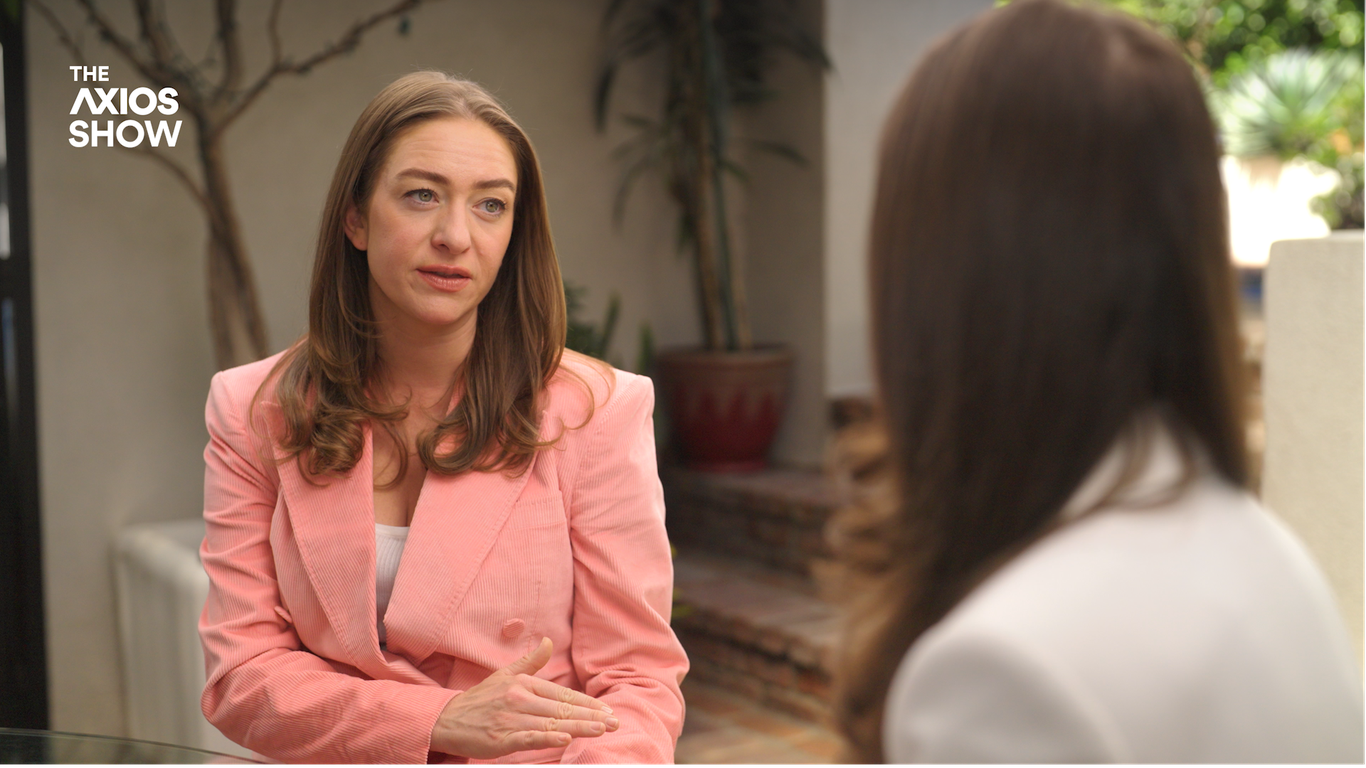
The Guardian Pushes Back: AI Cupids Won't Fix What Dating Apps Broke
- What happened: Technology journalist Tatum Hunter published a scathing opinion piece on June 1 arguing that dating apps' turn to AI matchmakers—positioned as a solution to burnout—fundamentally misunderstands what real romance requires.
- Why it matters: Hunter argues that "endless swiping has left a generation of singles burned out," but the solution isn't algorithmic curation—it's acknowledging that dating has always involved friction and unpredictability. This reflects growing skepticism about whether tech can engineer intimacy.

Spring 2026 Free Dating Apps Roundup: No-Cost Options Gain Traction
- What happened: Mashable published an updated guide to the best free dating apps available in spring 2026, as users increasingly seek alternatives without premium subscription costs.
- Why it matters: The emphasis on free options reflects economic pressures on daters and suggests users are becoming more cost-conscious about online dating—potentially accelerating shifts away from paywall-heavy models.
Relationship Science
Novel Experiences and "Savoring" Keep Long-Term Love Alive
- The takeaway: Couples who intentionally slow down and savor happy moments together—whether reminiscing about favorite memories or enjoying shared experiences—build a "powerful shield" for their relationship, according to University of Illinois research.
- What experts say: Researchers found that partners who regularly savor shared experiences strengthen relationship longevity and resilience. The mechanism works by reinforcing positive emotional bonds and creating shared narratives that buffer against conflict.

Why Conversations Turn Negative: Relational Doubts Matter More Than You Think
- The takeaway: A new study in Communication Research reveals that relational doubts—underlying uncertainties about the relationship itself—drive annoyance and negativity in everyday conversations far more than the topics being discussed.
- What experts say: When partners harbor doubts about the relationship's future, routine conversations become fraught with subtext. Conversely, active support from a partner fosters happiness and positive communication, regardless of what's being discussed.

Culture & Conversations
Attachment Styles in 2026: Why Modern Dating Makes Everyone Feel Insecure
- What's happening: A new analysis examining attachment theory in the context of 2026 dating reveals that technology, swiping culture, and modern social pressures are reshaping how people bond—and not always for the better. Many report feeling insecure regardless of their attachment style.
- The debate: Some argue that dating apps inherently promote anxious attachment by creating scarcity mindsets and constant comparison. Others contend that technology is neutral; the real issue is how users approach apps without emotional literacy or realistic expectations about partnership.
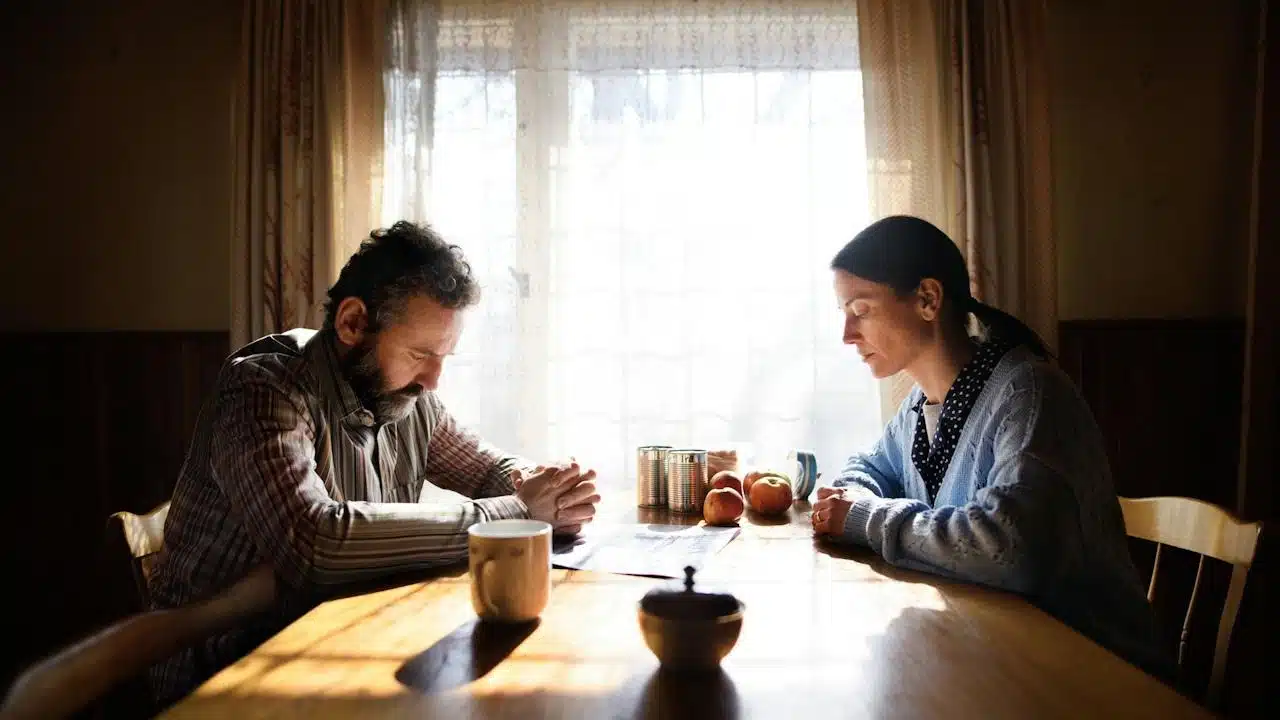
"Whimsy" as Antidote to Dating Burnout—Gen Z and Millennials Rebrand Spontaneity
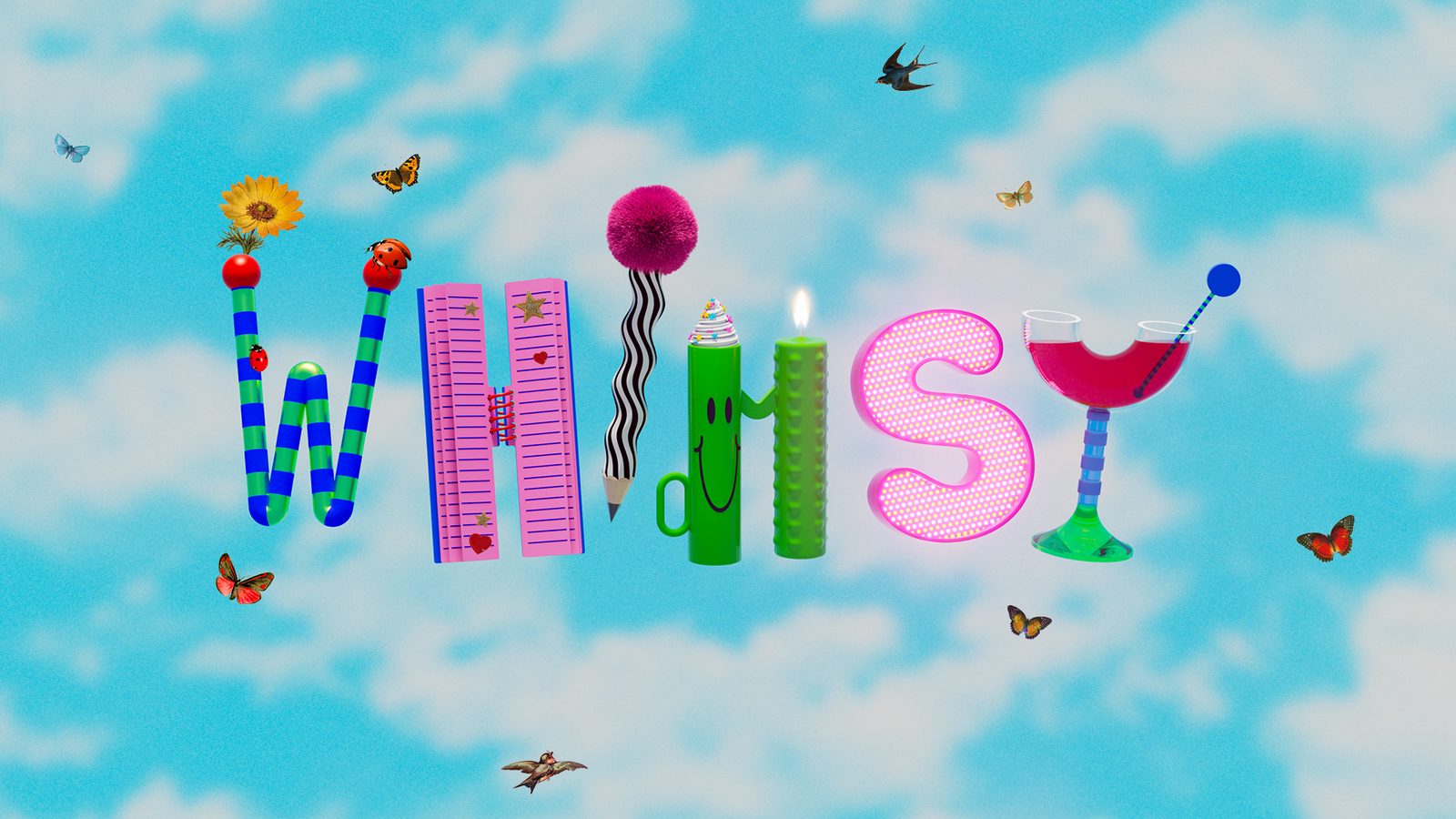
- What's happening: A New York Times trend piece from May 20 documented how Gen Z and millennials have reclaimed the word "whimsy" to describe a lifestyle blending playfulness, spontaneity, and presence—a direct counter to the algorithmic, optimization-obsessed dating culture.
- The debate: Critics see "whimsy" as millennial branding of irresponsibility; advocates view it as a necessary rejection of the self-improvement treadmill that dating apps have normalized. It reflects a generational fatigue with treating romance as a solvable problem.
Reader Playbook
1. Stop optimizing, start savoring: If you're in a relationship, Mashable's research suggests the highest-ROI dating strategy isn't a new app or self-help book—it's intentionally slowing down to notice and appreciate moments with your partner. Set a weekly "savoring" ritual: one meal, one conversation, one experience where you both explicitly pause and acknowledge the good.
2. Address doubts before they poison conversations: If your everyday chats feel unexpectedly tense, the problem likely isn't the topic—it's unspoken uncertainty about the relationship itself. Have one direct conversation about where you both stand, what you want, and what "success" looks like. This single clarification can transform the tone of dozens of future conversations.
3. Reconsider app-driven urgency: The shift away from infinite swiping toward curated matches suggests the dating culture is slowly rejecting the scarcity mindset apps instill. If you're using apps, treat them as tools for introduction—not validation. Consider spending equal time on in-person opportunities (social events, hobby groups, friend introductions), which build attachment gradually rather than through algorithmic pressure.
What to Watch Next
- Bumble's AI rollout performance: How users actually respond to curated matching vs. swiping will determine whether other platforms follow suit or defend the swipe as a core feature.
- Attachment theory research in digital contexts: Look for peer-reviewed studies examining whether dating apps specifically cause anxious attachment or simply attract people predisposed to it.
- The "whimsy" movement in dating language: Watch whether Gen Z's rejection of optimization-speak actually reshapes dating advice and app marketing, or remains a niche cultural trend.
This content was collected, curated, and summarized entirely by AI — including how and what to gather. It may contain inaccuracies. Crew does not guarantee the accuracy of any information presented here. Always verify facts on your own before acting on them. Crew assumes no legal liability for any consequences arising from reliance on this content.
Powered by
