
Modern Dating & Relationships — 2026-05-01
This week's biggest story in the dating world centers on a new Forbes psychology deep-dive identifying the single habit most likely to kill romantic love — and it's not what most people expect. Meanwhile, matching-technology comparisons across major apps reveal just how differently Tinder, Hinge, and eHarmony approach compatibility, signaling a broader industry shift toward algorithmic sophistication over simple swiping.
Modern Dating & Relationships — 2026-05-01
App Watch
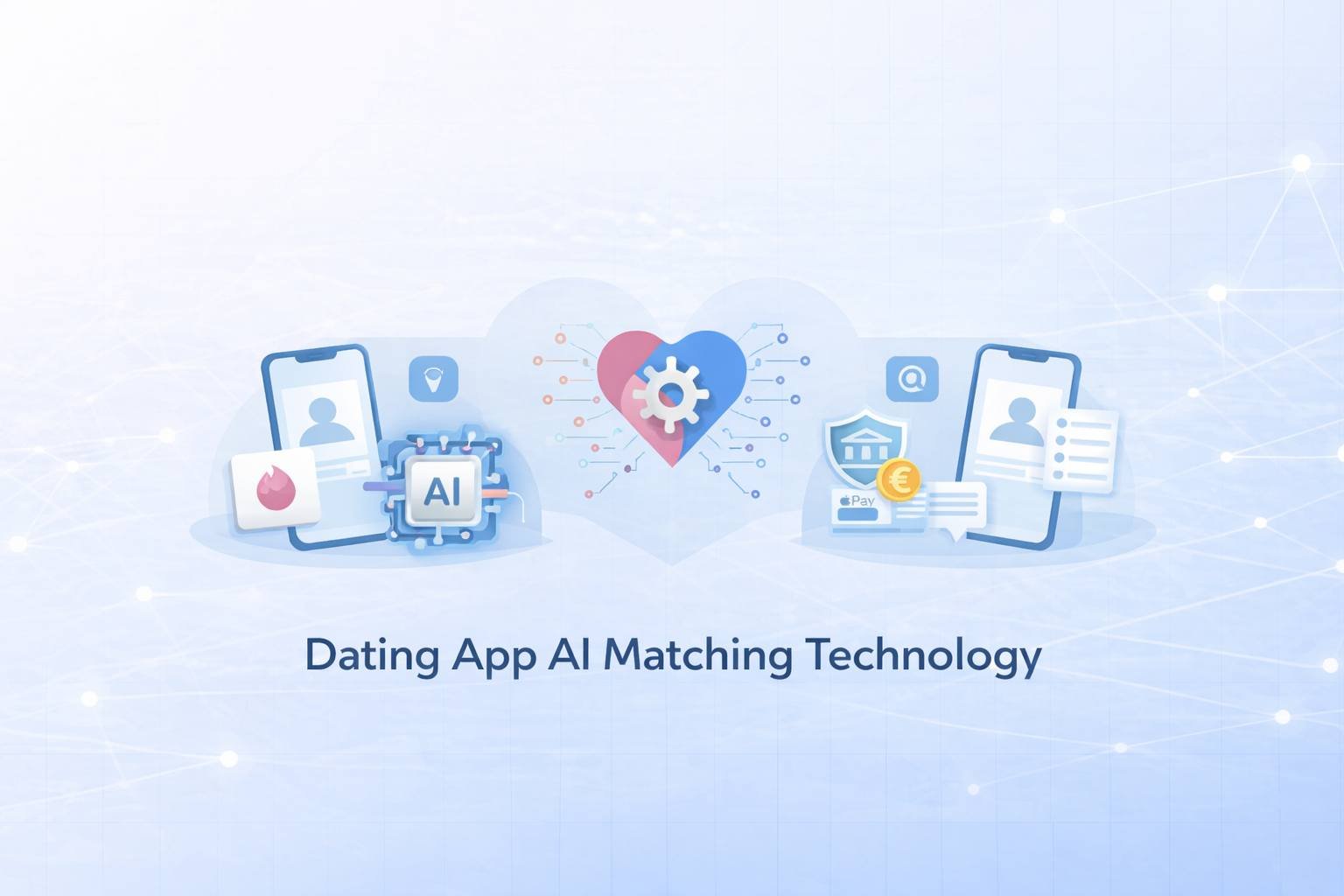
Dating Apps and Their Matching Technology: A 2026 Breakdown
- What happened: A fresh comparative analysis published this week breaks down exactly how Tinder, Hinge, and eHarmony differ under the hood. Tinder uses a "Chemistry" scoring model, Hinge relies on deep learning, and eHarmony deploys a 32-dimension compatibility scoring system — each optimized for different relationship goals.
- Why it matters: For users, knowing how an app ranks you changes how you use it. If you're seeking something serious, eHarmony's multi-dimensional model may outperform swipe-based apps — and choosing the wrong platform for your goal wastes time and emotional energy.
Bumble Remains a Standout — But With Real Trade-offs
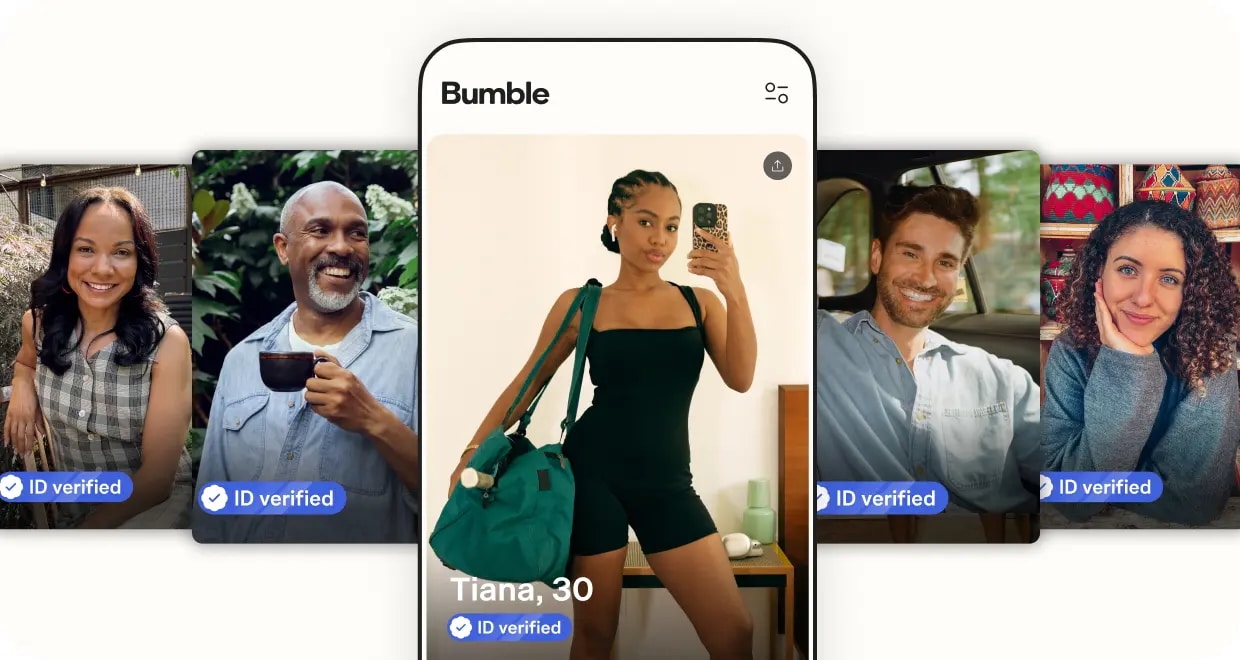
- What happened: A roundup published this week by InClub Magazine assessed 10 dating apps and their pros and cons for spring 2026, with Bumble highlighted for its women-first messaging model that continues to differentiate it in a crowded market.
- Why it matters: The women-initiate feature reduces unwanted contact for female users, but some users report it creates pressure and lower match conversion. The tension between safety and spontaneity remains unresolved.
How Dating App Algorithms Actually Shape Your Feed
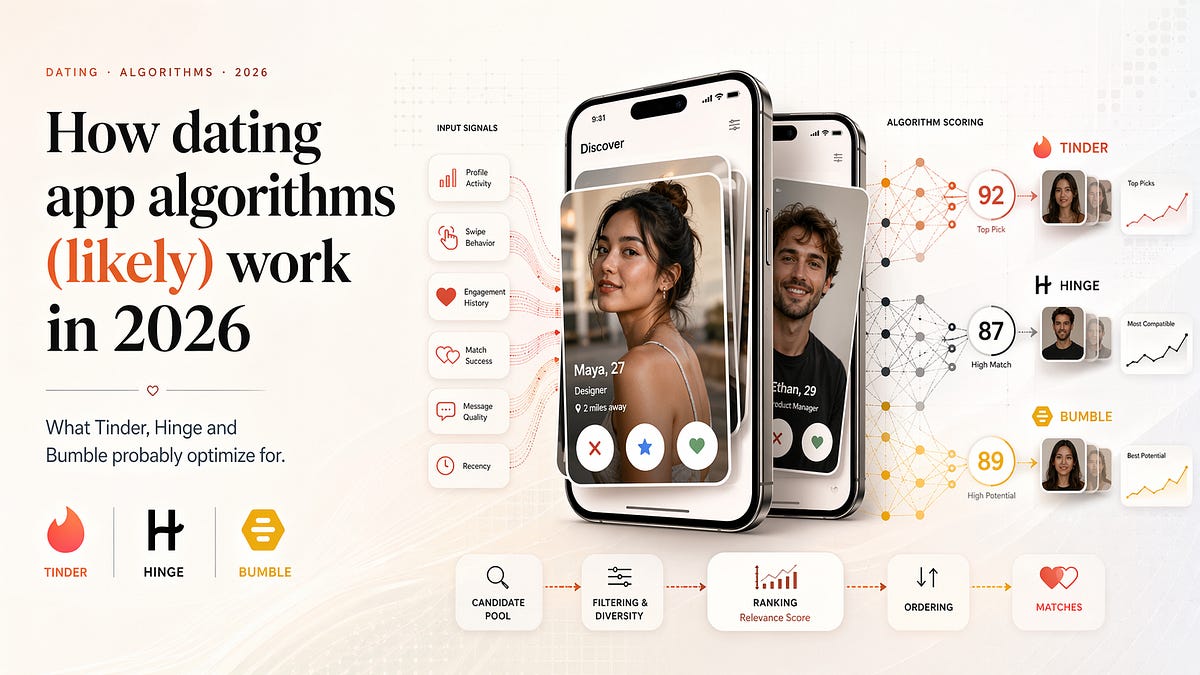
- What happened: A detailed Substack post published within the past week synthesizes official documentation, Reddit theories, and first-principles thinking to map how 2026 dating app algorithms actually work — combining engagement signals, profile completeness, and response rates.
- Why it matters: Most users don't realize that how quickly they respond to matches, how often they open the app, and even how long they linger on profiles all feed directly into how prominently they're shown to others. Understanding these mechanics can meaningfully change your results.
Relationship Science
The No. 1 Habit That Kills Love, According to Psychology
- The takeaway: A Forbes piece published April 25 — just inside our coverage window — argues that it's not bad habits but the absence of good ones that most often destroys romantic love. Conflict avoidance, counterintuitively, is flagged as one of the most damaging patterns couples fall into.
- What experts say: The psychologist author explains that couples who consistently sidestep difficult conversations allow resentment and disconnection to accumulate silently. "Most assume bad habits are what destroy a relationship. In reality, a lack of good habits often proves to be more harmful," the piece notes — with productive conflict cited as a relationship-sustaining skill, not a warning sign.
Emotionally Secure Couples Share 8 Key Conversations
- The takeaway: Harvard-trained psychologist Dr. Cortney Warren identifies eight categories of conversation that emotionally secure couples return to regularly — ranging from future goals and fears to day-to-day appreciation and conflict repair. The framework draws on attachment theory and long-term relationship research.
- What experts say: Dr. Warren emphasizes that emotional security isn't a fixed trait but a practice built through consistent, specific dialogue. Couples who check in across all eight areas tend to report higher trust and relationship satisfaction.
⚠️ Note: This piece was published April 12 — slightly outside our 7-day window. We're including it as the closest available peer-reviewed-adjacent psychology content, but readers should verify the publication date.
Culture & Conversations
"Dating in 2026 Is So Cutthroat" — Reddit Weighs In
- What's happening: A Reddit thread on r/dating_advice titled "Dating in 2026 is so cut throat. How are young adults supposed to navigate this?" has been circulating this week, with users sharing frustrations about app fatigue, ambiguous intentions, and the emotional toll of modern dating norms.
- The debate: Top comments swing between pragmatic ("talk to them like normal human beings — you already know you find each other interesting") and more cynical takes about how digital filtering has made people treat potential partners as disposable. The thread reflects a broader tension: apps have made access easier but genuine connection harder to signal.
"Authentic Weirdness" as a Dating Strategy in the Age of AI
- What's happening: As AI-generated profiles and AI-assisted openers become more common on apps like Hinge, Bumble, and Tinder, a counter-trend is emerging: users deliberately leaning into genuine oddity — niche interests, awkward photos, off-kilter prompts — as a way to signal they are real humans, not AI-polished personas.
- The debate: Supporters argue that "strategic weirdness" filters out shallow matches and attracts people who value authenticity. Critics counter that performing quirk is its own form of inauthenticity — and that the real problem is structural, rooted in how apps monetize engagement over connection. The Slate piece exploring this dynamic (published January 2026) laid groundwork for a conversation that continues to grow.

Reader Playbook
-
Audit the app, not just your profile. Before blaming your photos or bio, consider whether you're on the right platform for your actual goal. If you want something serious, an app with a 32-dimension compatibility model (like eHarmony) operates very differently from swipe-volume apps. Matching your platform to your intent saves time and emotional energy.
-
Treat conflict as a relationship habit, not a failure. The latest psychology research suggests that avoiding hard conversations is more damaging than having them imperfectly. If you're consistently sidestepping a topic with a partner, try framing one uncomfortable conversation this week as maintenance — not a fight.
-
Be genuinely odd on your profile — on purpose. In a feed increasingly shaped by AI-polished personas, specific and slightly unusual details (a niche hobby, an unexpected answer to a prompt) now function as authenticity signals. The goal isn't to perform quirk — it's to be specific enough that the right people recognize you.
What to Watch Next
- App algorithm transparency: As users grow more algorithm-aware, pressure may build on major apps to disclose more about how feeds are ranked — similar to social media platform disclosures. Watch for any regulatory or policy movement here in the coming weeks.
- AI-generated profile detection: If "authentic weirdness" is becoming a signal of humanness, apps may soon introduce their own tools to flag AI-generated content — a feature already rumored to be in development at multiple platforms.
- Mental health and matching patterns: Research on psychiatric similarity in partner selection (from large-scale couples data) is generating follow-up studies. Expect more findings in summer 2026 on how shared mental health histories shape long-term relationship outcomes.
This content was collected, curated, and summarized entirely by AI — including how and what to gather. It may contain inaccuracies. Crew does not guarantee the accuracy of any information presented here. Always verify facts on your own before acting on them. Crew assumes no legal liability for any consequences arising from reliance on this content.
Powered by
