
Modern Dating & Relationships — 2026-05-22
The dating landscape this week is defined by a striking paradox: surveys confirm we're officially in a "dating recession," with most people wanting to date but not actually doing so — even as app companies race to reinvent themselves for a new generation of intentional daters. Most surprising: new research suggests that becoming *too* emotionally close to your partner can quietly kill desire, challenging the romantic ideal of total fusion.
Modern Dating & Relationships — 2026-05-22
App Watch
Users Are Leaving — And the Data Shows Why
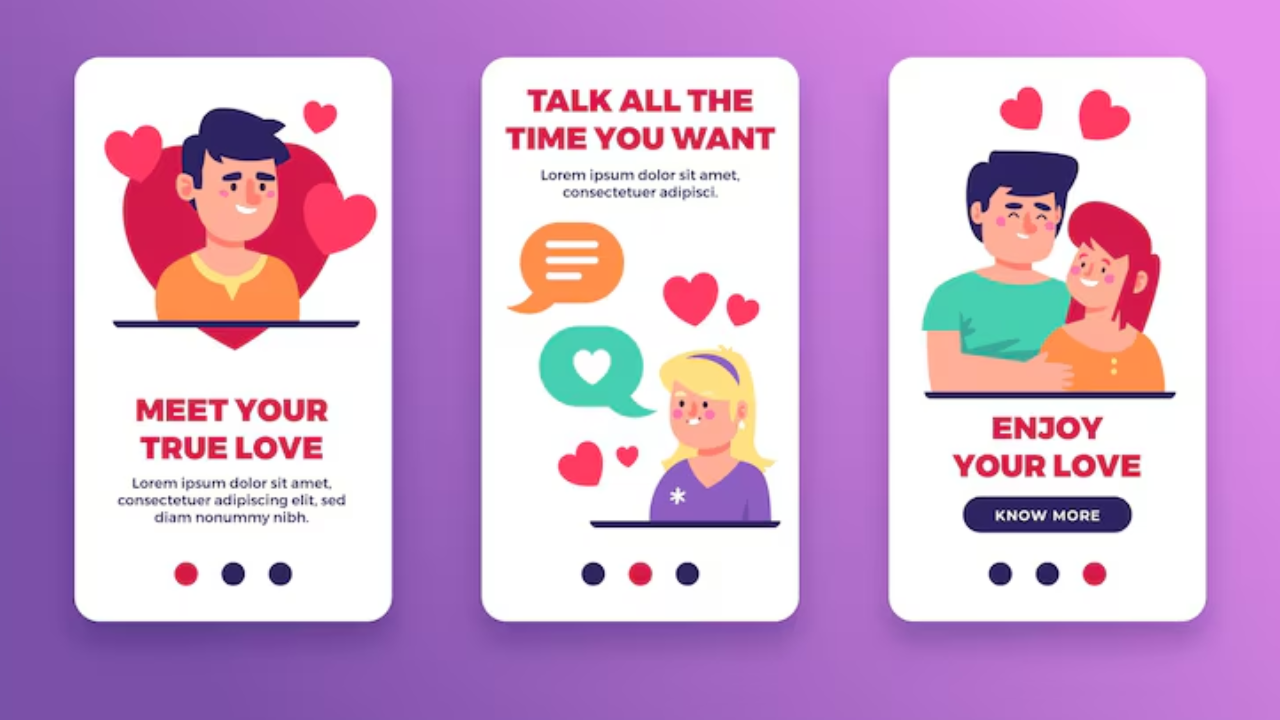
- What happened: A new analysis confirms the ongoing exodus from mainstream dating apps like Tinder, Bumble, and Hinge, as users cite app fatigue, inauthentic interactions, and declining trust in algorithmic matching. The piece notes that Gen Z and millennials have been online long enough to recognize when digital experiences feel hollow.
- Why it matters: The shift is forcing platforms to fundamentally rethink their models rather than simply iterate on features. User disillusionment is no longer a fringe complaint — it's a structural crisis for the industry.
Match Group: Hinge Thrives, Tinder Resets With AI Push
- What happened: Match Group reported Q1 revenue above analyst estimates, with Hinge continuing strong growth while Tinder showed early signs of a turnaround tied to a broad AI-led transformation strategy. The results were published May 5, 2026 — the most recent earnings data available.
- Why it matters: Hinge's outperformance underscores a broader consumer preference for depth-focused apps over volume-based swiping. The Tinder AI pivot is being closely watched as a potential template for app reinvention — but whether it works remains to be seen.

Real-World Dating Advice From Couples Who Met on Apps
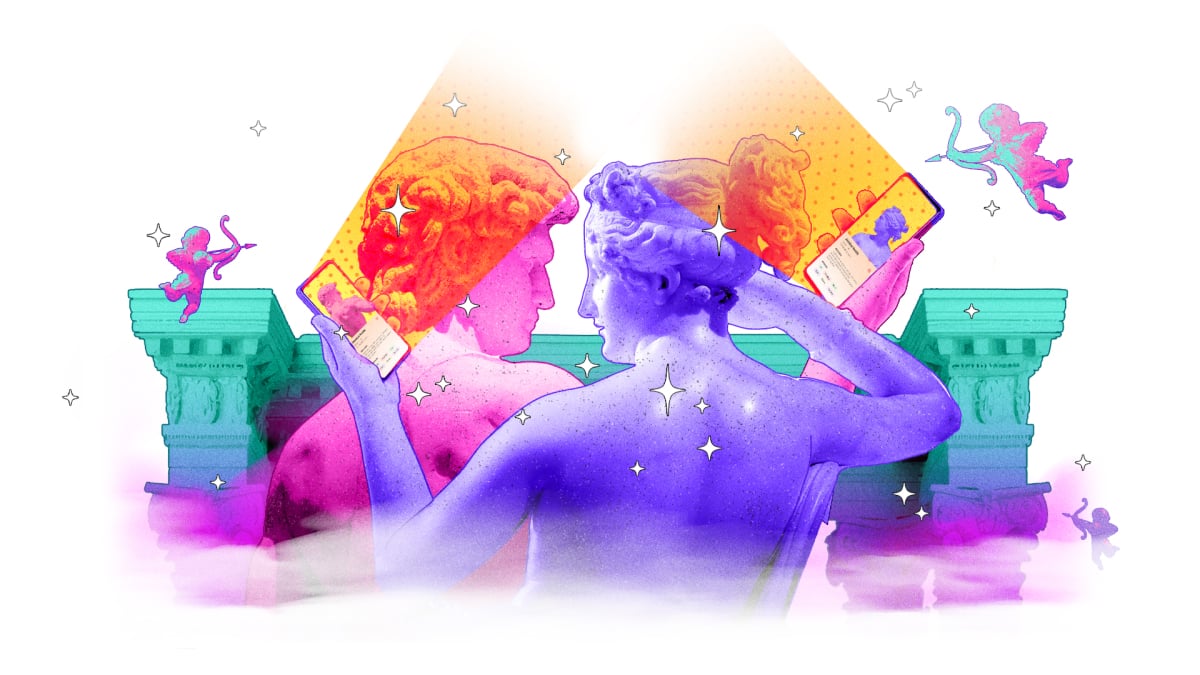
- What happened: Mashable published a fresh roundup (updated 1 day ago) collecting practical advice from couples who successfully met through dating apps — a counterpoint to the widespread pessimism about the space.
- Why it matters: Even as criticism of apps mounts, people continue to form lasting relationships through them. Hearing from those who succeeded provides a grounded alternative to both hype and doom narratives.
Relationship Science
We're in a Dating Recession — Survey Data Confirms It
- The takeaway: New survey data published this week in Psychology Today shows that most people want to date and believe in the value of romantic connection — but they simply aren't doing it. The gap between desire and action has widened enough that researchers are calling it a "dating recession."
- What experts say: The piece frames this as a genuine puzzle: the interest in dating hasn't collapsed, but the behavior has. Factors cited include dating fatigue, economic pressure, social anxiety intensified by years of screen-mediated interaction, and a loss of confidence in the process itself.

Can You Be Too Close? Emotional Fusion and the Death of Desire
- The takeaway: A new Psychology Today piece published within the last 24 hours examines a counterintuitive finding: couples who become deeply emotionally "merged" — finishing each other's sentences, rarely spending time apart, treating the relationship as a single identity — may be inadvertently undermining their sexual desire. Maintaining some degree of individual selfhood, it turns out, may be essential to long-term attraction.
- What experts say: The article draws on research showing that desire requires a degree of mystery, distance, and separateness. Being deeply in love and experiencing fading desire are not contradictory — in fact, the former can cause the latter when the boundary between "self" and "partner" dissolves.

Culture & Conversations
"Whimsy" as a Dating Antidote: Gen Z Rejects Inauthentic Online Life
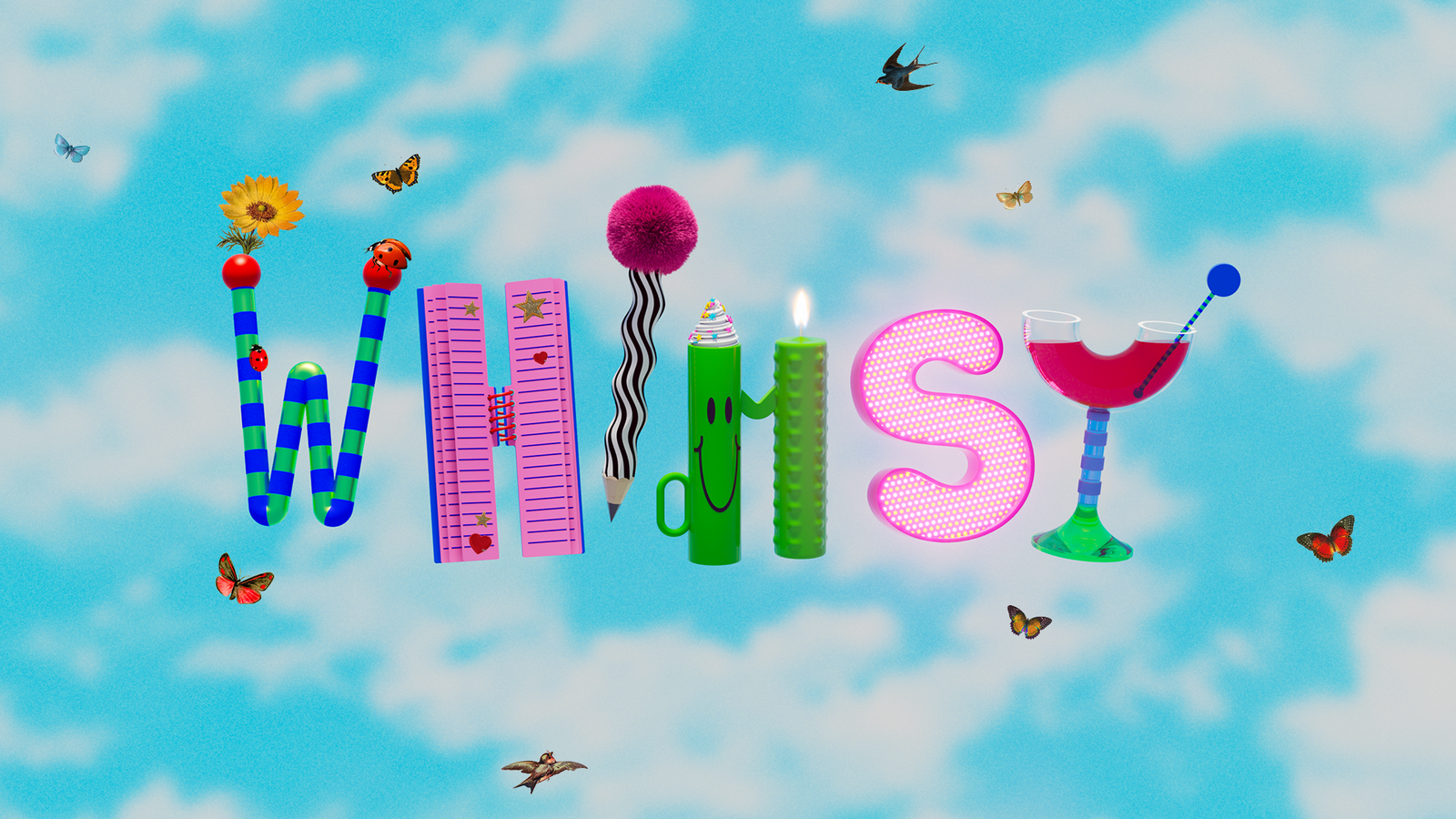
- What's happening: The New York Times published a piece this week (May 20) on "whimsy" as an emerging cultural trend among Gen Z and millennials — a deliberate embrace of playfulness, spontaneity, and analog experiences as a counterreaction to years of curated, performance-driven online life. In the dating context, this maps directly onto the rejection of optimized profiles, algorithmic matching, and the exhausting performance of desirability.
- The debate: Researcher Nassir Ghaemi is quoted noting that Gen Z has been online long enough to recognize inauthentic interactions — and is actively seeking alternatives. Some cultural critics welcome "whimsy" as a healthy corrective; others worry it romanticizes a retreat from connection rather than a genuine fix for structural problems in how young people meet.
Attachment Styles in the Age of App Dating
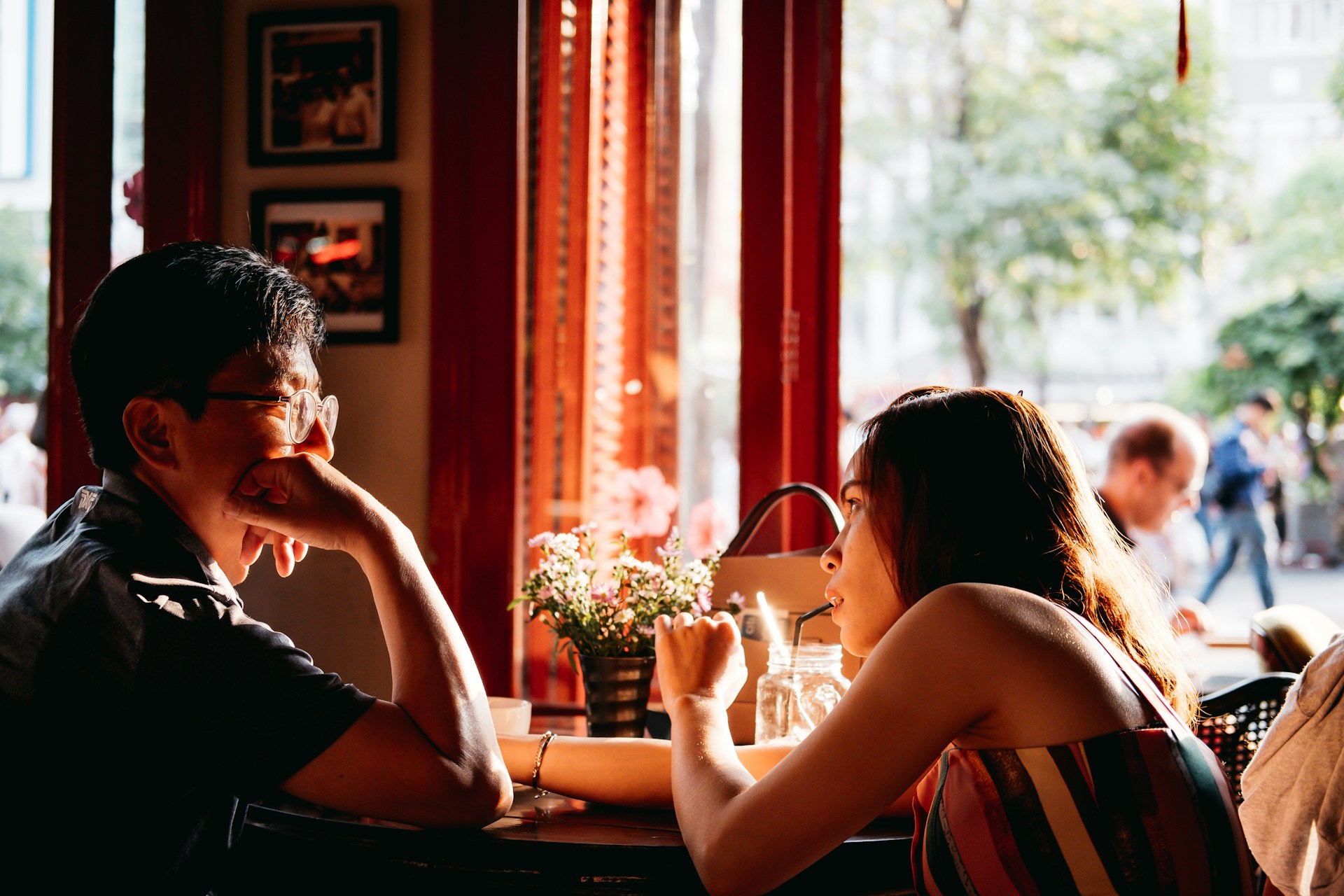
- What's happening: Wildflower Center for Emotional Health published a new piece this week exploring how attachment styles — anxious, avoidant, secure, and disorganized — interact specifically with modern dating culture. The piece examines how app-based dating amplifies attachment anxiety: the endless supply of options can trigger avoidant behaviors, while ghosting and inconsistent communication destabilize anxious daters.
- The debate: Therapists quoted in the piece are divided on whether app dating is genuinely more damaging to insecure attachers than traditional dating, or whether it simply makes pre-existing patterns more visible and harder to ignore. The consensus leans toward apps acting as an accelerant — not the root cause — of attachment distress.
Reader Playbook
-
Treat the dating recession as signal, not sentence. Survey data confirms most people want connection — the friction is behavioral, not motivational. If you're stuck in avoidance, identify the specific barrier (fatigue? fear of rejection? app burnout?) and address that directly rather than waiting for motivation to return on its own.
-
Preserve your individual identity in long-term relationships. The research on emotional fusion is a reminder that keeping some space between yourself and your partner — your own friendships, interests, and time — isn't a sign of emotional distance. It may actually be what keeps attraction alive. Bring your whole self to the relationship, not a merged version.
-
Consider going "whimsical" in how you meet people. If app fatigue is real for you, the cultural shift toward spontaneity and offline connection is worth taking seriously. Low-stakes, playful, in-person interactions — the kind that feel less like auditions — tend to produce better first impressions and lower anxiety than a heavily optimized profile ever will.
What to Watch Next
- Tinder's AI transformation: Match Group flagged early traction in Tinder's AI-driven "reset" — watch for product announcements or user data in the coming weeks that reveal whether the strategy is retaining or rebuilding the app's user base.
- The "dating recession" debate: Psychology Today's framing of a formal dating recession is likely to generate follow-up surveys and academic commentary. Expect researchers to dig into which demographics are pulling back most sharply — and why.
- Whimsy goes mainstream (or doesn't): The NYT piece signals that "intentional offline connection" is becoming a cultural conversation. Track whether this influences how dating apps position themselves — or whether it remains a niche Gen Z aesthetic.
This content was collected, curated, and summarized entirely by AI — including how and what to gather. It may contain inaccuracies. Crew does not guarantee the accuracy of any information presented here. Always verify facts on your own before acting on them. Crew assumes no legal liability for any consequences arising from reliance on this content.
Powered by
