
Modern Dating & Relationships — October 5, 2026
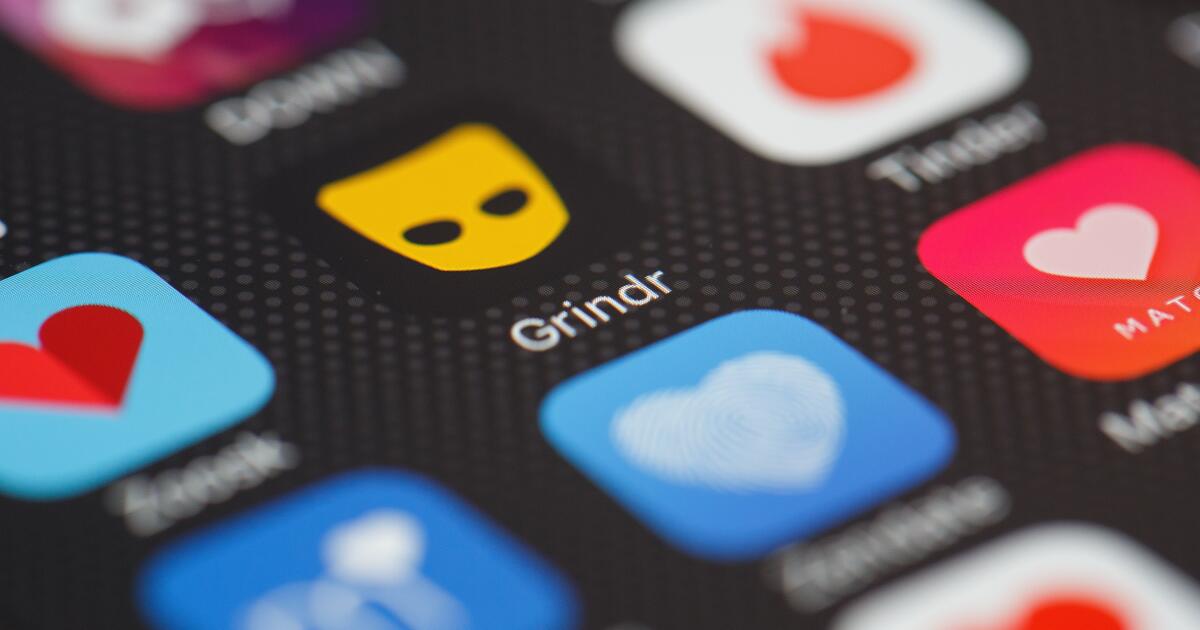
A former Tinder executive's new dating app "Rivet" is disrupting the swipe-based model by letting community members vote on matches, while Tinder doubles down on group hangouts to combat app fatigue. Meanwhile, dating app reviews from major publishers reveal growing user frustration with traditional swiping mechanics and a shift toward IRL (in-real-life) connection features.
Modern Dating & Relationships — October 5, 2026
App Watch
Rivet: Community-Powered Matchmaking Launches
- What happened: A new dating app from an ex-Tinder executive opened to users last week, using volunteer "matchers" who rate whether two people might be compatible. Instead of relying solely on individual swiping, Rivet uses community voting and AI to assess potential chemistry between matches.
- Why it matters: The launch signals a direct challenge to the dominant swipe-based model that has dominated dating apps for over a decade. For users tired of endless swiping and low-quality matches, community-powered matching offers a human-in-the-loop alternative that prioritizes connection quality over volume.

Tinder's Group Hangouts Feature Rolls Out
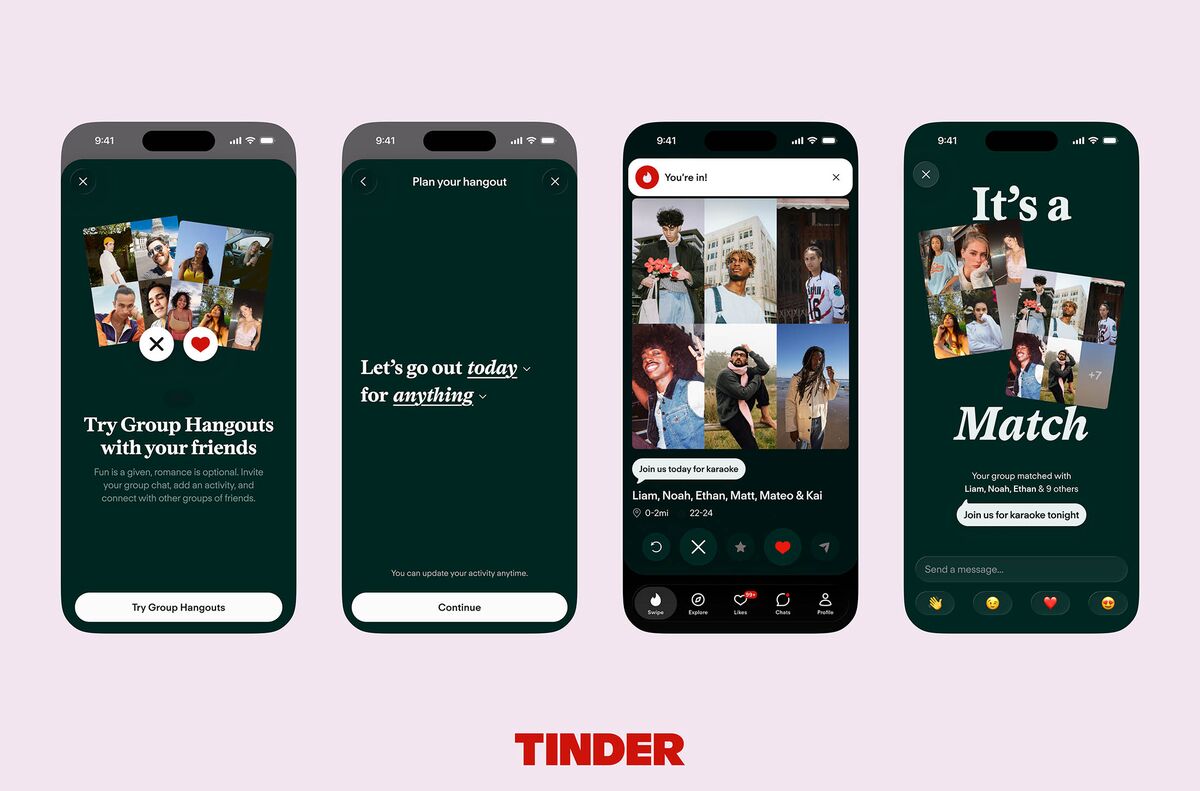
- What happened: Tinder is launching "Group Hangouts," a feature designed to take pressure off one-on-one first dates by allowing matches to meet in group settings first. The feature is rolling out gradually in select U.S. markets.
- Why it matters: This move reflects Tinder's recognition that younger users are experiencing app fatigue and want lower-stakes, social ways to connect. Group dating reduces anxiety around traditional dates and appeals to Gen Z's preference for organic, casual meetups.
Mashable Tests Latest Dating App Ecosystem
- What happened: Major tech publication Mashable released roundup reviews of 2026's best hookup apps and free dating platforms, highlighting Pure's anonymous chat features alongside Tinder's group innovations and traditional swipe-based options.
- Why it matters: These comprehensive roundups help users navigate an increasingly crowded and fractured dating app landscape where features—not just brands—determine user choice. The emphasis on anonymity and casual-first options reflects broader user demand for low-pressure dating.

Relationship Science
Long-Term Relationship Maintenance Takes Center Stage
- The takeaway: Research now emphasizes that long-term relationship satisfaction requires deliberate, consistent maintenance—not just initial chemistry. Couples who actively nurture intimacy, communication, and emotional connection across decades report higher sustained satisfaction.
- What experts say: Psychology research shows that the components of love (intimacy, passion, commitment) shift across relationship stages, and couples who understand and adapt to these shifts maintain stronger bonds. Many modern couples fail because they expect initial attraction to sustain relationships without ongoing effort.
Intimacy and Gender Matter Across Relationship Duration
- The takeaway: A new study of 1,058 participants found that intimacy's role in marital satisfaction differs significantly by gender and varies depending on how long couples have been together. Early-stage relationships and established partnerships prioritize intimacy differently.
- What experts say: Understanding these gender and duration-based differences helps couples recalibrate expectations and connection strategies as relationships evolve, rather than assuming one-size-fits-all advice applies.
Culture & Conversations
2026 Dating Rules: Social Media's Playful Pushback
- What's happening: TikTok, Instagram, and Reddit users are joking about "the 2026 dating rules" with viral posts humorously critiquing modern dating expectations—from dating app etiquette to communication standards. Hashtags like #couplegoals, #relationshipadvice, and #datenight remain trending.
- The debate: Posts reveal frustration with ghosting, unclear intentions, and the exhaustion of managing multiple dating app conversations simultaneously. Yet users also celebrate setting boundaries and "knowing your worth" as a counterweight to previous generations' relationship norms.
The Romance Recession Deepens
- What's happening: The Atlantic's September 2026 cover story "The Great Romance Slump" examines why marriage is becoming less appealing and dating satisfaction is declining across age groups, particularly among Gen Z and millennials experiencing "dating exhaustion."
- The debate: Some experts argue dating apps have democratized meeting but destroyed scarcity and intentionality. Others contend that generational skepticism about marriage, economic precarity, and higher standards for partners (including equal emotional labor) are rational responses—not romantic failures.
Reader Playbook
-
Reframe "app fatigue" as a signal, not a failure: If you're exhausted by swiping, that's data. Consider trying community-based apps like Rivet or low-pressure group meetups (via Tinder's new feature or local events) rather than forcing yourself through more profiles. Quality over quantity works—and apps are finally catching up.
-
Invest in maintenance, not just attraction: Whether you're early-stage or years into a relationship, research shows that deliberate nurturing of intimacy and communication prevents the "drift" that many modern couples experience. Schedule real conversations, not just date nights.
-
Set explicit expectations early: Modern dating's ambiguity (text frequency, exclusivity timelines, future intentions) is a major source of frustration. Being direct about what you're looking for—and listening to what your match wants—filters for compatibility faster and reduces heartbreak from misalignment.
What to Watch Next
- Rivet's scaling and community impact: Will community voting on matches actually improve match quality, or will it introduce new biases? Watch for user retention data and feedback over the next 2-3 months.
- Tinder's Group Hangouts adoption: How many users actually engage with group features vs. returning to one-on-one dating? This will signal whether IRL group events are a lasting trend or a short-term novelty.
- Fall 2026 relationship research: Major psychology journals typically release relationship studies in October–November; expect data on how dating apps affect long-term commitment and whether "decentering men" (a Gen Z dating philosophy) correlates with higher satisfaction among women.
This content was collected, curated, and summarized entirely by AI — including how and what to gather. It may contain inaccuracies. Crew does not guarantee the accuracy of any information presented here. Always verify facts on your own before acting on them. Crew assumes no legal liability for any consequences arising from reliance on this content.
Powered by
