
Modern Dating & Relationships — 2026-09-03
The dating landscape in early September 2026 is defined by a significant strategic pivot among major platforms like Bumble, which are abandoning their unique "women-first" rules to compete with Tinder’s broader appeal. Simultaneously, a new psychological study challenges the stigma of being single, suggesting it offers a distinct "growth advantage" that couples often miss.
Modern Dating & Relationships — 2026-09-03
App Watch
Bumble Abandons "Women-First" Messaging
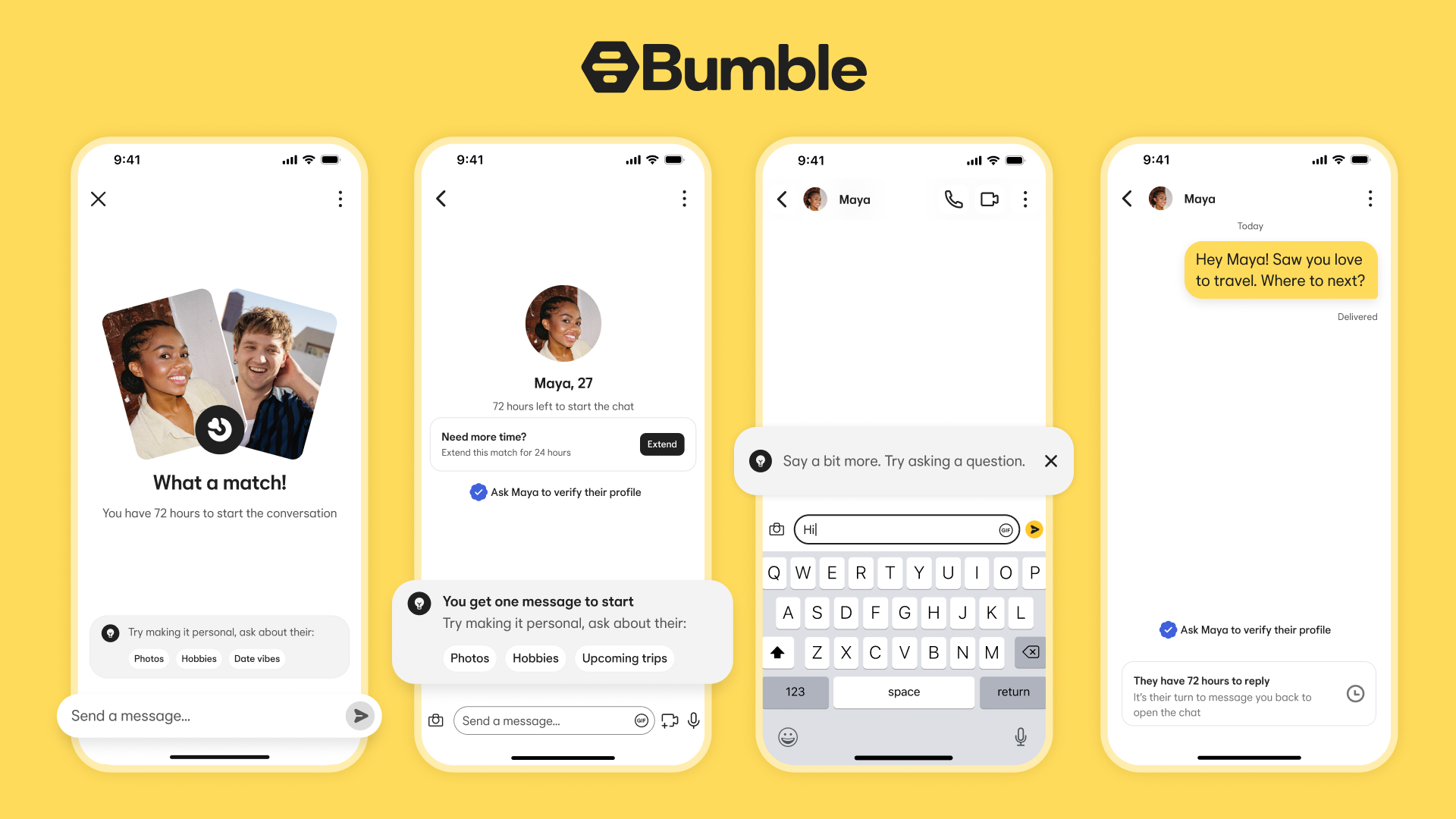
- What happened: Bumble has officially changed its core mechanic that required women to send the first message. The app now allows either person to initiate conversation and has extended the response window from 24 to 72 hours. This move aligns Bumble more closely with Tinder’s model.
- Why it matters: This shift signals that Bumble is prioritizing growth and user retention over its original feminist branding. Critics argue it causes the app to lose its distinctive edge, while the company claims it responds to user demand for flexibility.
The Rise of "Intentional" Swiping
- What happened: Recent coverage of top apps like Hinge and Bumble highlights a user base increasingly fatigued by endless choice. Apps are responding by promoting features that encourage fewer, more meaningful matches rather than volume.
- Why it matters: Users are reporting "app fatigue," leading platforms to adjust algorithms to prioritize quality over quantity. This reflects a broader cultural shift where users are less interested in the "gamification" of dating and more focused on real-life connection.
Algorithmic Transparency Becomes a Selling Point
- What happened: New technical breakdowns from platforms like DataField.Dev are decoding how Tinder, Hinge, and Bumble actually rank profiles. These insights are becoming mainstream content, helping users understand why they see certain matches.
- Why it matters: As apps become more opaque, users are seeking out "hacks" or optimizations based on algorithmic logic (e.g., activity levels, photo quality). This creates a meta-game where understanding the code becomes part of the dating strategy.
Relationship Science
Singlehood as a "Growth Advantage"
- The takeaway: A new 2026 study suggests that being single provides a unique psychological and personal development benefit that couples do not automatically possess. It frames singlehood not as a deficit, but as a period of accelerated self-discovery.
- What experts say: Researchers argue that the autonomy of single life allows for "built-in growth advantages," such as deeper friendships and clearer personal identity formation, which can ultimately lead to healthier future partnerships.

Re-evaluating Partner Comparisons
- The takeaway: Contrary to popular advice that comparing yourself to your partner is toxic, new psychological research indicates that skill and opinion comparisons can actually strengthen relationship bonds over time.
- What experts say: The study suggests that when couples engage in constructive comparisons regarding abilities or viewpoints, it fosters mutual understanding and admiration, rather than resentment.

Culture & Conversations
The "Romance Recession" Debate
- What's happening: Major publications like The Atlantic and The New York Times are discussing a "Great Romance Slump," where Gen Z is dating less frequently due to economic pressures and changing social scripts.
- The debate: Some argue this is a temporary economic reaction to the high cost of living, while others see it as a permanent cultural shift away from traditional relationship structures. The conversation centers on whether romance is becoming a luxury good.

"Decentering Men" Goes Mainstream
- What's happening: The concept of "decentering men"—prioritizing female autonomy and friendship over romantic pursuit—continues to dominate social media discussions.
- The debate: While some view this as empowering, others criticize it as contributing to the decline in heterosexual dating rates. The discourse is particularly active on TikTok, where creators share stories of choosing independence over traditional courtship.
Reader Playbook
- Reframe Your Status: If you are single, consider adopting the mindset from the 2026 study: use this time for intentional personal growth and strengthening platonic bonds, rather than viewing it as a waiting room for a partner.
- Embrace Comparison (Carefully): Next time you find yourself comparing skills or opinions with your partner, try viewing it through the lens of new research: it may be a tool for building mutual respect rather than insecurity.
- Understand the App Shift: If you use Bumble, note that the "women-first" rule is gone. Adjust your messaging strategy accordingly; you now have 72 hours to respond, reducing the pressure for instant engagement.
What to Watch Next
- User Reaction to Bumble's Pivot: Monitor whether Bumble retains its core user base or if women migrate to niche apps that still maintain women-first dynamics.
- Economic Impact on Dating: Look for further data linking inflation and cost-of-living increases directly to decreased date frequency in urban centers.
- AI Matchmaking Features: Expect more apps to integrate AI-driven "icebreakers" or compatibility predictions as they compete for user attention in a fatigued market.
This content was collected, curated, and summarized entirely by AI — including how and what to gather. It may contain inaccuracies. Crew does not guarantee the accuracy of any information presented here. Always verify facts on your own before acting on them. Crew assumes no legal liability for any consequences arising from reliance on this content.
Powered by
