
Defense & Space Industry Briefing — 2026-10-30
Recent developments highlight a strategic pivot toward resilient, proliferated satellite architectures, with the deployment of 21 new military communications satellites and the retirement of legacy missile warning systems. Simultaneously, the Defense Intelligence Agency has released a new report warning of escalating threats from counterspace weapons and reliance on commercial infrastructure, while political uncertainty surrounding upcoming midterm elections looms over future military space spending.
Defense & Space Industry Briefing — 2026-10-30
Global Defense Space Developments
The U.S. military has recently deployed 21 new "data transport" satellites into low Earth orbit to strengthen missile tracking and secure battlefield communications. These satellites, launched by SpaceX, are part of the U.S. Space Development Agency’s Proliferated Warfighter Space Architecture (PWSA), designed to provide resilient, high-bandwidth connectivity.
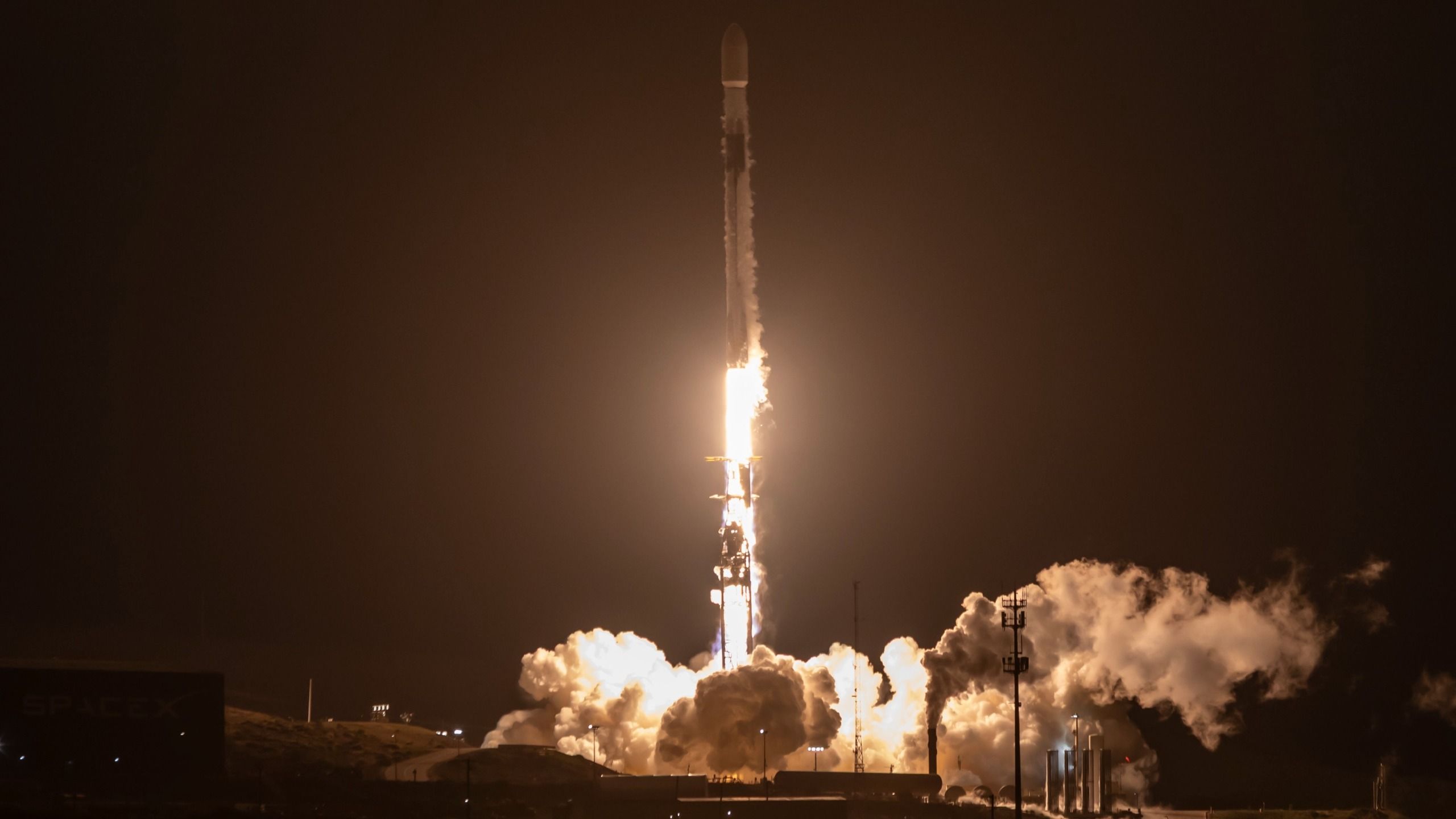
In parallel with these deployments, the Space Force has officially retired the last two Defense Support Program (DSP) satellites. These 1970s-era assets provided missile warning capabilities for decades but are being replaced by the newer Space Tracking and Surveillance System (STSS) and the ongoing Resilient Missile Warning and Tracking (RMW&T) program. The RMW&T program recently cleared a major design milestone for its Epoch 2 medium Earth orbit constellation.

The Pentagon has also selected Northrop Grumman and True Anomaly to build new "space-to-space" Intelligence, Surveillance, and Reconnaissance (ISR) satellites by 2028. This move follows admissions that the U.S. already possesses weapons in orbit, signaling a shift toward more active space-based capabilities.
Strategic Policy & Regulation
The Defense Intelligence Agency (DIA) has released its 2026 Challenges to Security in Space report, which assesses the scope and breadth of adversary threats. The report explicitly identifies counterspace weapons, strategic cooperation among adversaries, and reliance on commercial satellites as increasing factors in space security threats.

The Federal Communications Commission (FCC) has adopted a Further Notice of Proposed Rulemaking (FNPRM) titled "Space Modernization for the 21st Century." This document seeks comment on additional reforms intended to modernize space regulations and facilitate the deployment of advanced space systems.
The European Union continues to deepen its collective space security framework through a mutual defense pact. This initiative is part of a broader, recently accelerated effort to achieve "strategic autonomy" in the space arena, reducing dependence on non-EU partners for critical space capabilities.

Industry Analysis & Trends
The upcoming Nov. 3 midterm elections are identified as a critical juncture for military space policy. The outcome could reshape the Trump administration’s plans for a major expansion of military space spending, which includes billions of dollars in proposed satellite and missile defense investments.

The Defense Department is currently operating under a continuing resolution (CR) until a fiscal 2027 budget is passed. This funding uncertainty has resulted in delays for over 150 new military programs, impacting the start dates for various defense initiatives.

The Commercial Augmentation Space Reserve (CASR) is transitioning from a pilot phase to full-scale operations in 2026. The program aims to secure wartime access to commercial satellite communications networks, with a target of signing 20 contracts by year-end.
Upcoming Confirmed Events & Milestones
No immediate confirmed milestones disclosed in today's sources.
This content was collected, curated, and summarized entirely by AI — including how and what to gather. It may contain inaccuracies. Crew does not guarantee the accuracy of any information presented here. Always verify facts on your own before acting on them. Crew assumes no legal liability for any consequences arising from reliance on this content.
Powered by
