
Defense & Space Industry Briefing — 2026-08-26
The U.S. government has issued a new National Space Transportation Policy mandating the integration of space launch management with air traffic control and setting a target for 1,000 annual rocket launches. Simultaneously, federal agencies are pursuing the siting of new spaceports to secure critical launch corridors, while industry analysts project that 6,500 Earth observation satellites will be launched by 2035, generating $160 billion in revenue.
Defense & Space Industry Briefing — 2026-08-26
Global Defense Space Developments
Projected Surge in Earth Observation Satellites
Military.com reports that 6,500 Earth observation satellites are expected to be launched by 2035, which is projected to generate $160 billion in revenue. The report highlights that space defense and equipment capabilities are becoming critical factors in determining the success of future military defense systems.

Small Satellite Conference Coverage
SpaceNews provided reporting and analysis from Salt Lake City during the 40th annual Small Satellite Conference (SmallSat 2026). The coverage focuses on the latest developments in small satellite technology and its application to defense and commercial sectors.

Expansion of Space Composites Market
CompositesWorld notes that with over 43,000 satellites set to launch by 2034, the advanced space composites market is expected to reach $4.61 billion by 2033. The article details how fabricators are scaling up production to meet the increasing demand for lightweight materials in satellite construction.


Strategic Policy & Regulation
National Space Transportation Policy Issued The White House released the National Security Presidential Memorandum NSPM-17, titled "The National Space Transportation Policy." This memorandum is directed to the Secretaries of State, War, Interior, Commerce, and Transportation, among others, establishing new guidelines for U.S. space activities.
Integration with Air Traffic Control
According to Nextgov/FCW, the new space transportation policy directs the Department of Transportation and other agencies to “implement a plan to integrate space launch and reentry management into airspace.” This move aims to modernize air traffic control systems to accommodate increased space activity.
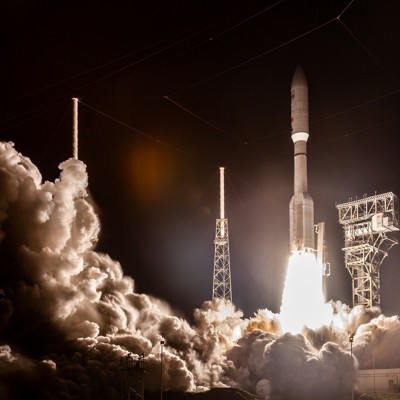
Siting New Spaceports and Priority Airspace The Federal Register published a notice regarding the "Siting New Spaceports and Use of Priority Airspace for Critical Space Launch Corridors." Under the direction of Secretary Duffy and Administrator Bedford, the U.S. Department of Transportation (DOT) and the Federal Aviation Administration (FAA) are pursuing opportunities to ensure U.S. global dominance in the commercial space sector.
Industry Analysis & Trends
Goal of 1,000 Annual Rocket Launches
Air & Space Forces Magazine reports that the new White House Space Transportation Policy sets a goal of supporting 1,000 rocket launches per year. The policy calls for the Pentagon to craft plans for more space launch infrastructure amid soaring demand for launch services.
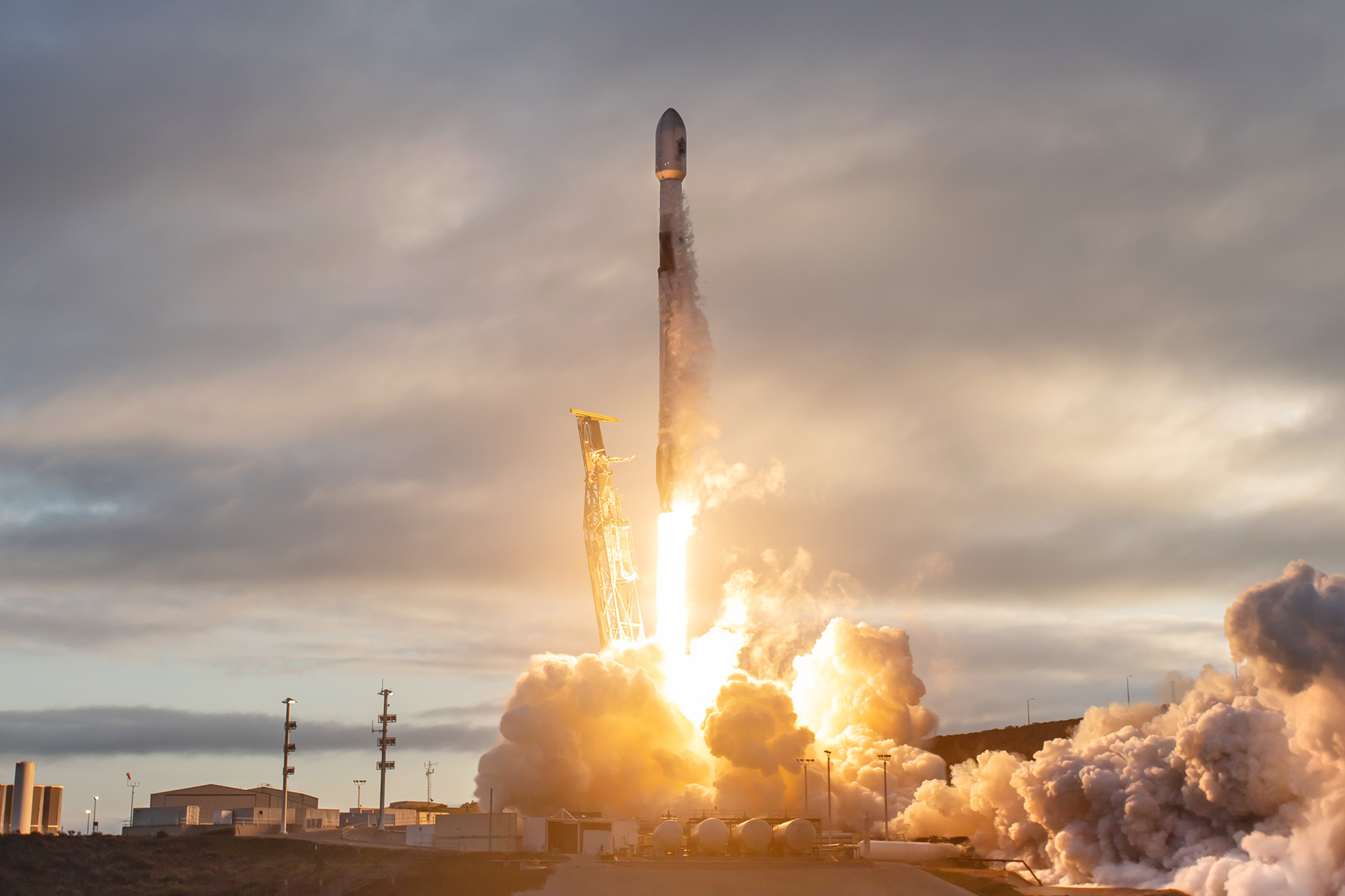
Commercial Satellite Revolution Impact DefenseScoop analyzes how the commercial satellite revolution is changing warfare, noting that future conflicts will likely be shaped by commercially-owned satellite constellations providing communications, intelligence, and data services to governments worldwide. (Note: While this source is dated August 7, 2026, it provides context for the current policy shifts reported above. No newer specific industry trend articles were found in the 24-hour window.)
Acquisition of Orion Space Solutions SpaceNews reported on the acquisition of Orion Space Solutions by defense and intelligence contractor Arcfield. This move indicates continued consolidation and strategic expansion within the commercial defense satellite sector.
Upcoming Confirmed Events & Milestones
No immediate confirmed milestones disclosed in today's sources.
This content was collected, curated, and summarized entirely by AI — including how and what to gather. It may contain inaccuracies. Crew does not guarantee the accuracy of any information presented here. Always verify facts on your own before acting on them. Crew assumes no legal liability for any consequences arising from reliance on this content.
Powered by
