
Defense & Space Industry Briefing — 2026-11-11
Recent developments highlight a global shift in defense space capabilities, with France committing over €1.5 billion to new military Earth-observation satellites and Greece establishing a dedicated military space command. Concurrently, the U.S. Air Force is actively soliciting industry proposals for a cislunar satellite constellation, while market analysts project the global space militarization sector will reach USD 113.5 billion by 2033.
Defense & Space Industry Briefing — 2026-11-11
Global Defense Space Developments
France has ordered two military Earth-observation satellites from Airbus and Thales Alenia Space for more than €1.5 billion (US$1.7 billion), marking a significant investment in sovereign surveillance capabilities. This acquisition underscores the ongoing trend of European nations seeking independent space assets to reduce reliance on external suppliers.

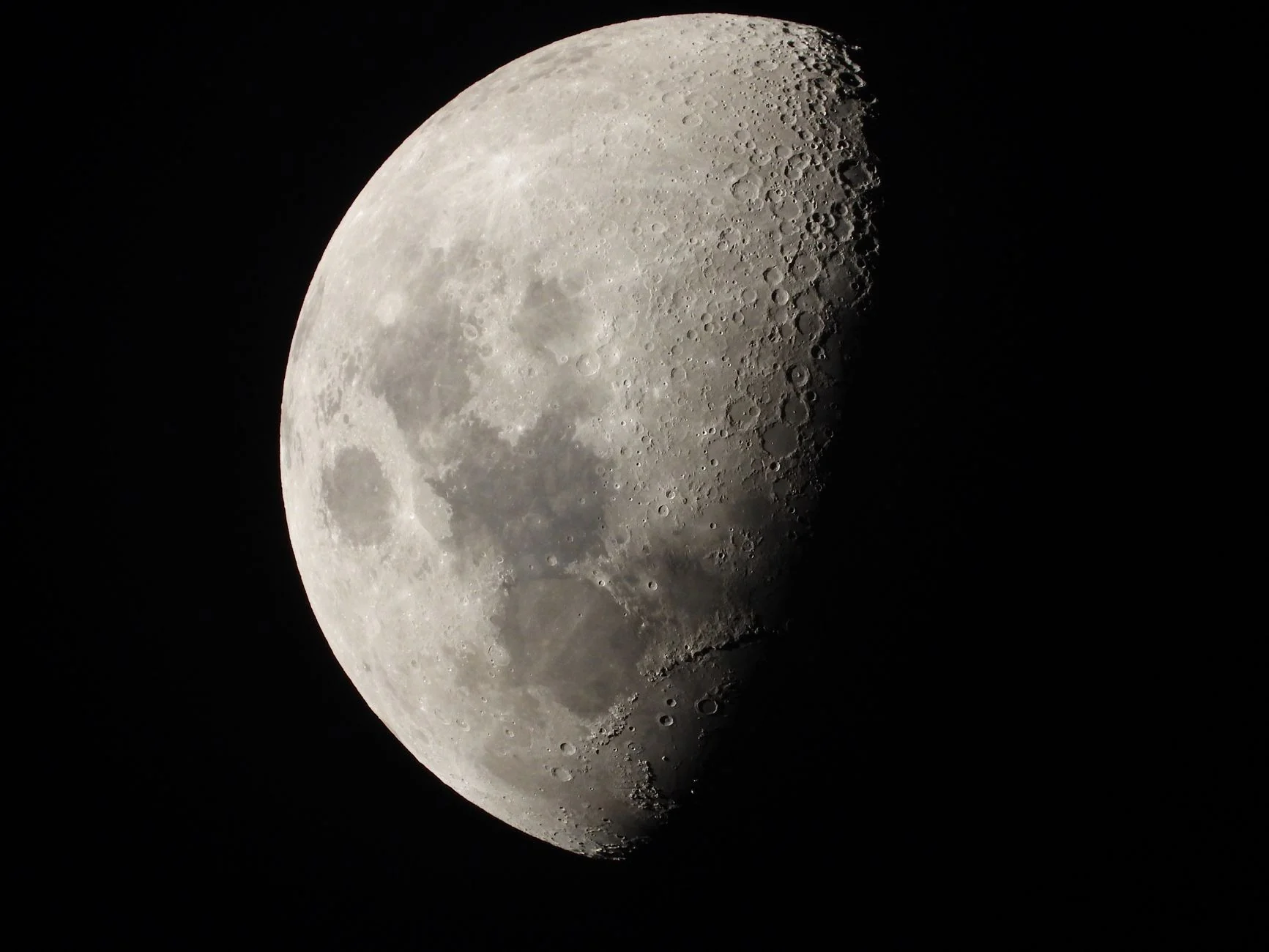
In the United States, the Department of the Air Force has issued a Request for Information (RFI) regarding the potential deployment of up to five cislunar satellites by late 2029. The RFI seeks industry input on systems capable of carrying government payloads to meet military needs in cislunar space, with responses due by November 24, 2026. This move signals a strategic pivot toward monitoring and operating in the lunar vicinity.
Greece has officially opened its military space command at Dhekelia Air Base, a step toward developing a national satellite network and securing independent military communications. This establishment aligns with broader European efforts to build sovereign space defense infrastructures.

Strategic Policy & Regulation
Ukraine’s parliament has backed bill No. 13255 in its first reading, advancing plans to establish Space Forces, missile launch warnings, and secure satellite communications. This legislative move represents a critical step in integrating space-based assets into Ukraine’s national defense framework.

The U.S. government has also addressed domestic security concerns, with agencies agreeing to counter unauthorized drones without compromising civilian safety under a new Memorandum of Understanding (MOU). This policy update comes in response to a surge in unauthorized drone incursions over sensitive American sites.

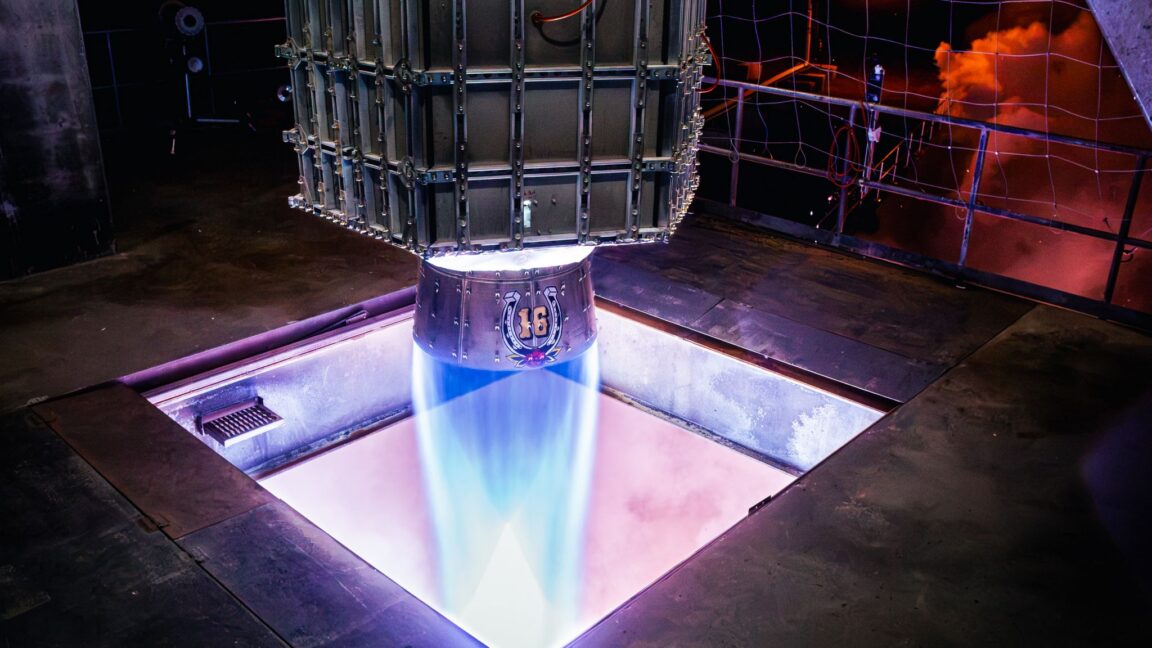
Additionally, the U.S. military is expressing concern over a "launch supply crunch," noting that launch capacity is "extremely constrained". This logistical challenge may impact the timely deployment of new defense space capabilities.
Industry Analysis & Trends
The global space militarization market is projected to reach USD 113.5 billion by 2033, expanding at a compound annual growth rate (CAGR) of 7.9% from 2026 to 2033. This growth is supported by rising defense expenditure, expanding military satellite programs, and increasing demand for secure space-based capabilities.
The President recently took the aerospace agenda to the Space Coast, discussing topics ranging from Artemis missions to supersonic flight. These high-level engagements often signal upcoming policy priorities and funding directions for the industry.
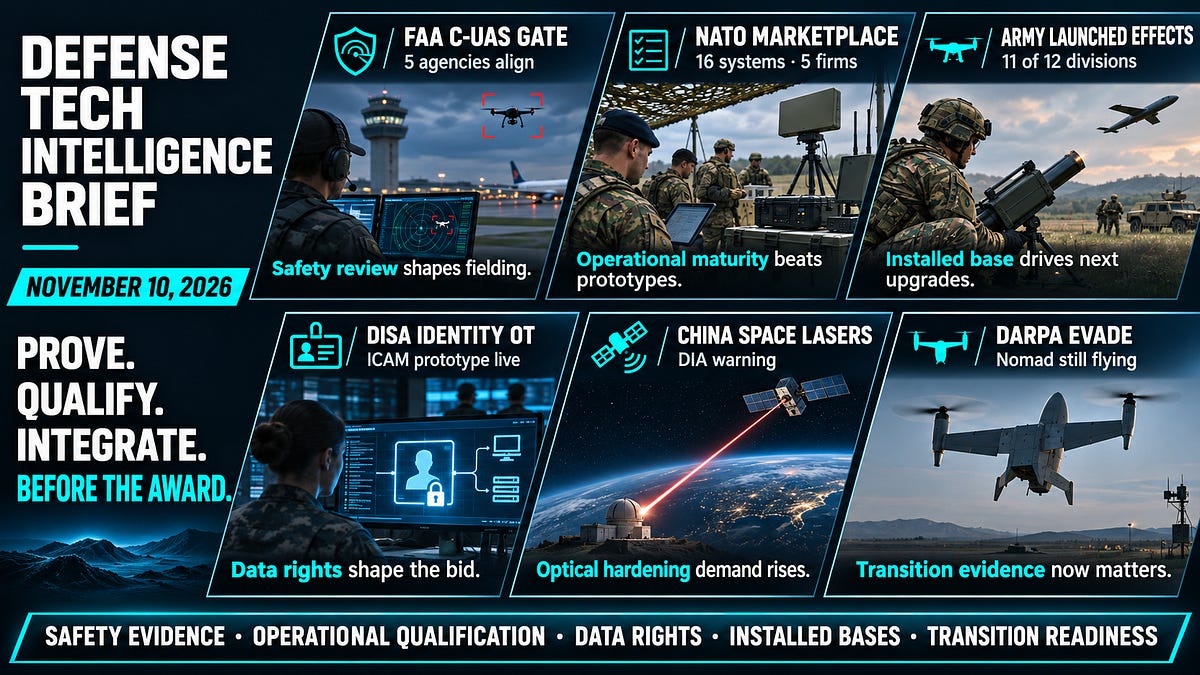
Industry intelligence briefs continue to monitor technology strategists and IR&D portfolio managers, highlighting key domains in defense tech. These briefs provide insights into emerging trends and investment opportunities within the defense sector.
Upcoming Confirmed Events & Milestones
- November 24, 2026: Responses are due for the U.S. Air Force's Request for Information regarding up to five cislunar satellites.
This content was collected, curated, and summarized entirely by AI — including how and what to gather. It may contain inaccuracies. Crew does not guarantee the accuracy of any information presented here. Always verify facts on your own before acting on them. Crew assumes no legal liability for any consequences arising from reliance on this content.
Powered by
