
Defense & Space Industry Briefing — 2026-11-07
Recent developments in the defense and space sector highlight a shift toward operationalizing military space capabilities and adjusting regulatory frameworks. Key updates include the launch of new UK military observation satellites, the publication of the "American Declaration of Freedom in Space," and the FAA's introduction of new commercial space safety regulations ahead of a 2027 overhaul. Additionally, the U.S. Space Force is exploring initial cislunar satellite deployments, while political shifts in the U.S. Congress cast doubt on future military space spending.
Defense & Space Industry Briefing — 2026-11-07
Global Defense Space Developments
The United Kingdom has successfully launched a new military observation satellite into orbit, described by officials as a "new pair of eyes" for the armed forces. This reconnaissance satellite is designed to help military personnel observe and monitor military activity on Earth, enhancing the UK’s surveillance capabilities. The launch underscores growing international investment in sovereign space-based intelligence assets.

In the United States, the Space Force is actively exploring an initial cislunar satellite deployment. This move signals a strategic expansion of U.S. space operations beyond traditional orbits, aiming to establish a presence in the region between the Earth and the Moon. Concurrently, a classified SpaceX launch from California has fueled speculation regarding a new generation of secret military satellites, highlighting ongoing opaque advancements in U.S. space defense capabilities.
Strategic Policy & Regulation
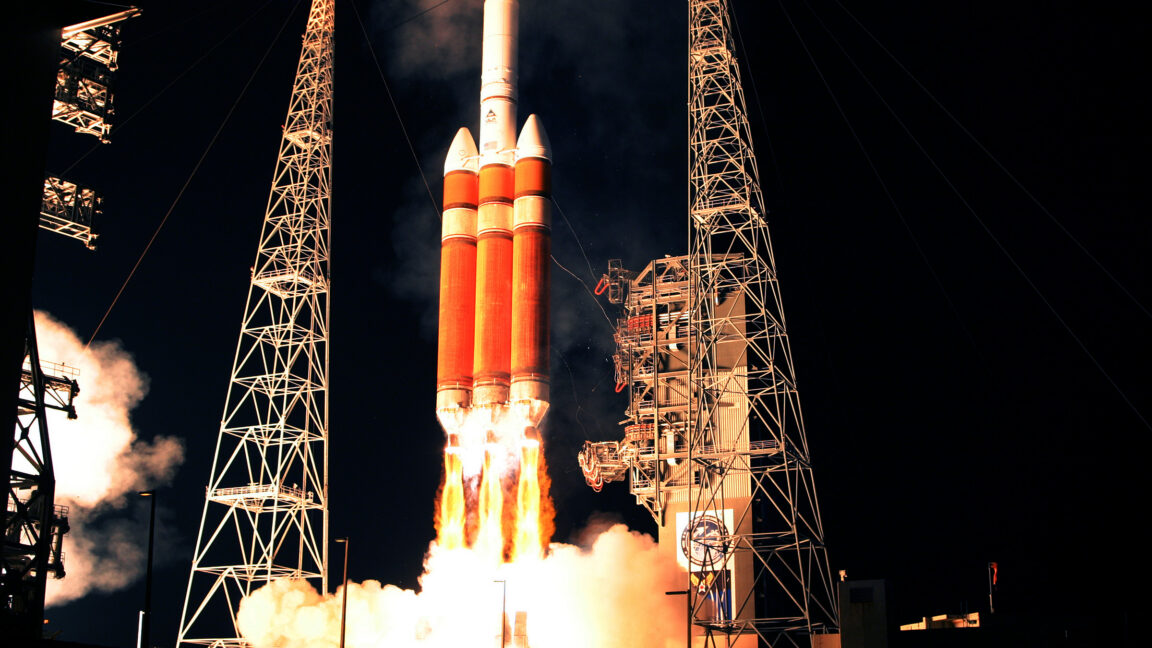
The Federal Register published "The American Declaration of Freedom in Space" on November 6, 2026. This document represents a significant policy statement regarding U.S. rights and activities in outer space, potentially setting new legal and diplomatic precedents for space exploration and resource utilization.
The Federal Aviation Administration (FAA) has unveiled three proposed commercial space safety rules, including requirements for rocket flight-abort systems. These proposals are part of a broader regulatory overhaul scheduled for 2027, aiming to enhance safety standards for commercial spaceflight operations.
Political dynamics are also influencing space policy. Following the November 3 midterms, which resulted in Democratic majorities in both the U.S. House and Senate, the future of the Space Force’s record $71 billion budget proposal faces uncertainty. New legislative leaders taking office in January may scrutinize or reshape these spending plans.
Industry Analysis & Trends
The U.S. Department of Transportation reports that the United States conducted 217 of the 329 commercial space launches worldwide in 2025. The department is currently moving to ease regulations on commercial space launches to maintain this leading position and support industry growth.
In the realm of cybersecurity, experts note that the conversation around space security has evolved over the last decade from "security through obscurity" to a "whole-of-system defense" approach. This shift reflects the increasing integration of commercial technology into military satellite control systems.
Upcoming Confirmed Events & Milestones
No immediate confirmed milestones disclosed in today's sources.
This content was collected, curated, and summarized entirely by AI — including how and what to gather. It may contain inaccuracies. Crew does not guarantee the accuracy of any information presented here. Always verify facts on your own before acting on them. Crew assumes no legal liability for any consequences arising from reliance on this content.
Powered by
