
Defense & Space Industry Briefing — 2026-09-08
Recent developments in the defense and space sector highlight a critical workforce shortage in the U.S. space industry, as reported by RAND, which warns that the nation lacks the engineers needed to rebuild military space assets lost in a potential conflict. Meanwhile, the Pentagon has launched a new Secure Space Network to expand classified access, and the Senate passed a continuing resolution that freezes Space Force satellite R&D funding at FY2026 levels.
Defense & Space Industry Briefing — 2026-09-08
Global Defense Space Developments
The U.S. space industrial base faces a severe labor deficit, with a new RAND report stating that the country does not have enough engineers, technicians, and assemblers to rebuild military space assets destroyed in a war with China or Russia. This finding underscores the vulnerability of current satellite constellations in contested environments.

In parallel, the Department of Defense Department of War (DOW) has launched the "Secure Space Network". This initiative aims to expand access to classified defense work through mobile secure facilities, potentially altering how contractors and military personnel interact with sensitive space data.
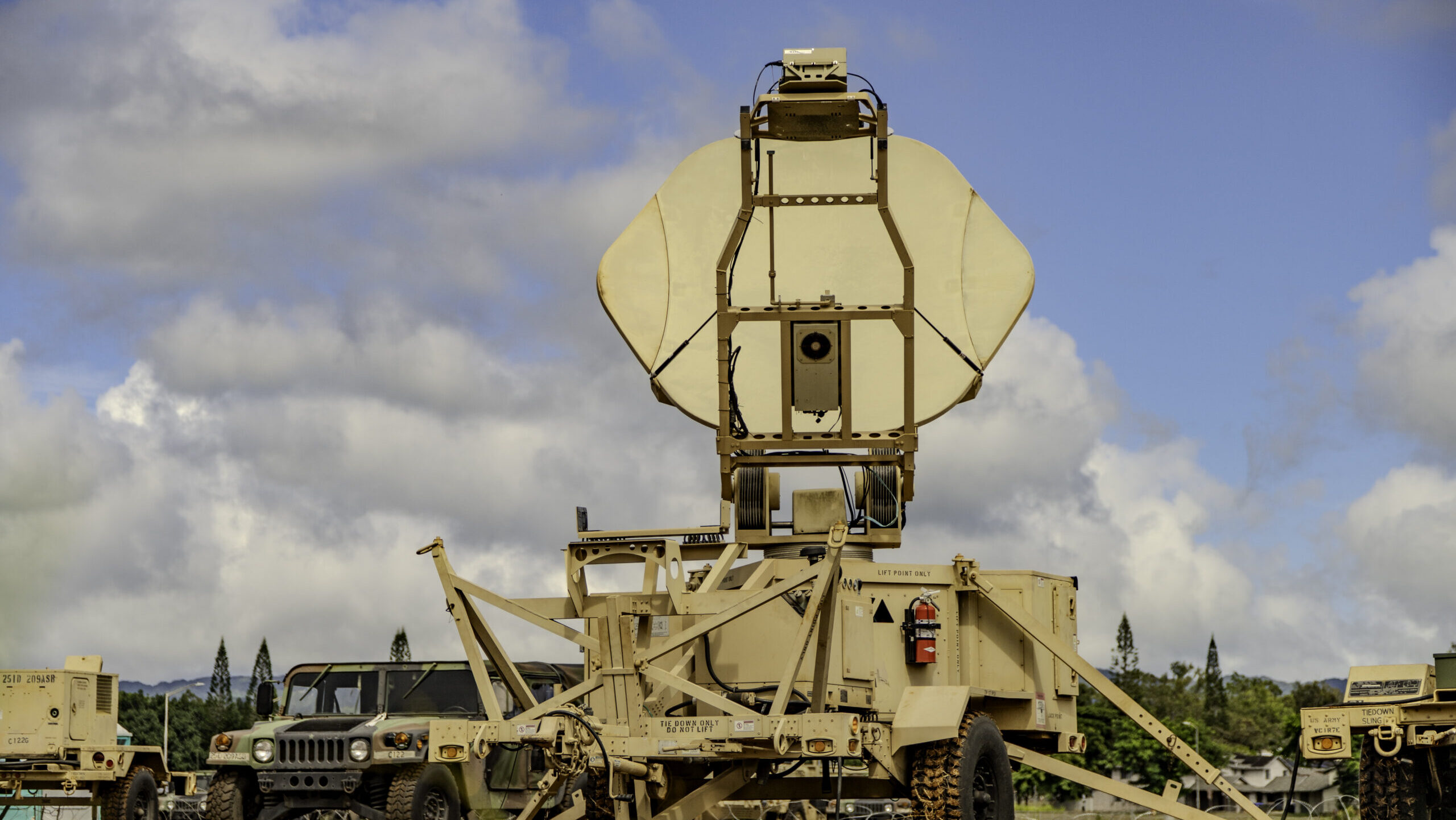
The Army continues to refine its strategy for space superiority, with efforts focused on countering adversary Intelligence, Surveillance, and Reconnaissance (ISR) satellites. Col. Joe Mroszcyck indicated that these operations also encompass "stratospheric warfare," signaling a broader scope for Army space capabilities beyond traditional orbit.
Strategic Policy & Regulation
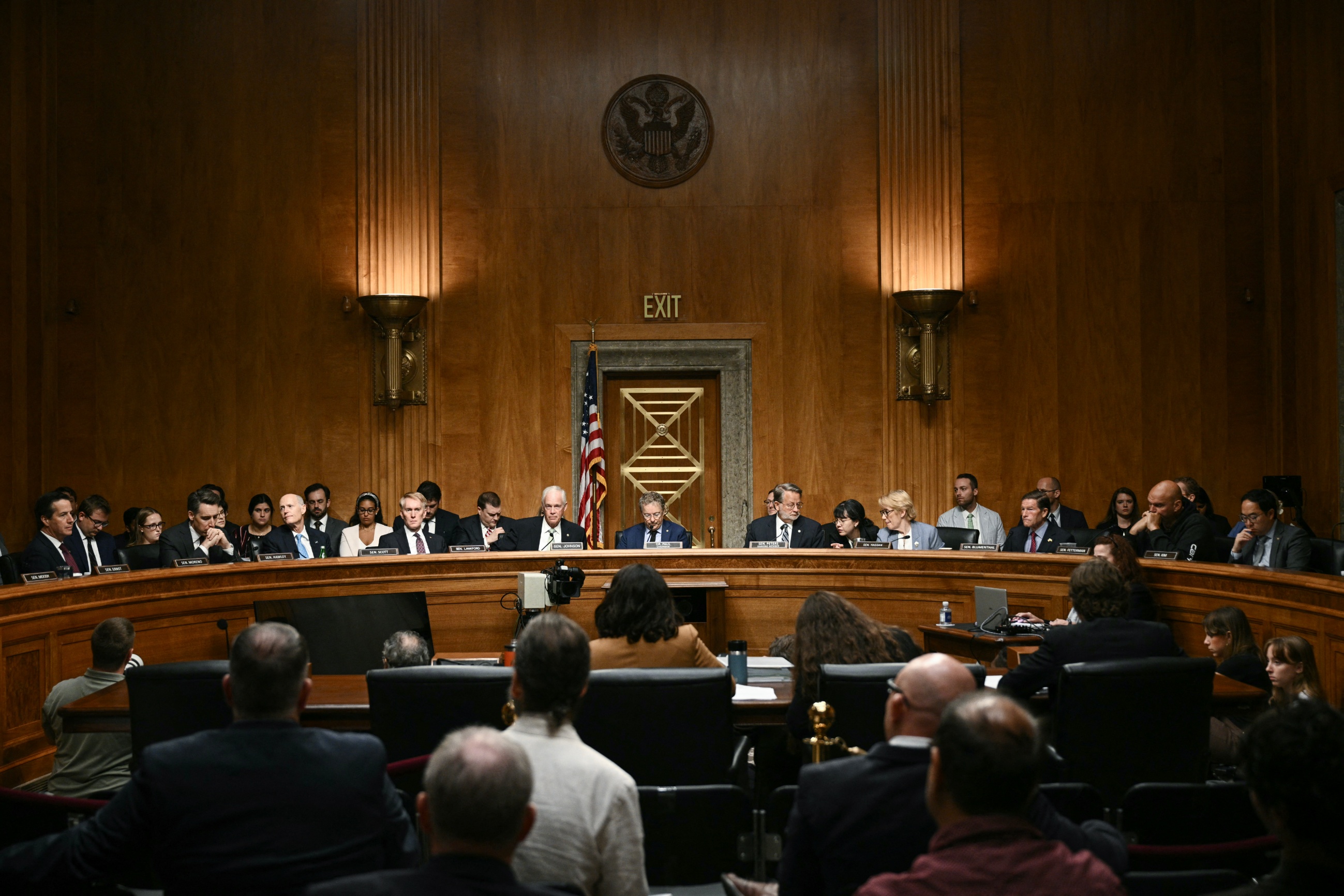
The U.S. Senate voted 90-6 to pass a continuing resolution (CR) that funds the government through December 11 but imposes significant constraints on defense space programs. The CR freezes $6.4 billion in satellite R&D at FY2026 levels and denies authority for five munitions anomalies, leaving production lines for PAC-3, Tomahawk, and AMRAAM facing cancellation liability risks.
On the international policy front, UNIDIR is convening the Outer Space Security Conference 2026 on September 8-9, 2026. This event focuses on global frameworks for security in outer space.

Additionally, the Federal Register published a proposed rule on October 23, 2024, regarding revisions to space-related export controls under the Export Administration Regulations (EAR). The Bureau of Industry and Security (BIS) proposes changes to controls for spacecraft that would conform to ITAR changes regarding U.S. Munitions List items. (Note: While the source date is older, it remains a key regulatory context item often cited in recent discussions on export control reform).
Industry Analysis & Trends
The "Golden Dome" missile defense initiative continues to evolve as a sprawling concept with political momentum but limited public definition. Defense News reports that this effort will consist of a sweeping suite of sensors and interceptors stationed on Earth, in space, and everywhere in between, aiming to make the U.S. almost impervious to aerial attacks.

The Commercial Augmentation Space Reserve (CASR) is transitioning from a pilot phase to full-scale operations in 2026. The program targets 20 contracts by year-end to provide wartime access to commercial satellite communication networks, marking a shift toward integrated commercial-military space architectures.

The Space Force announced contract awards to Intelsat General and Viasat for its Protected Tactical SATCOM-Global program in June 2026, highlighting continued reliance on commercial partners for protected communications.

Upcoming Confirmed Events & Milestones
- September 8-9, 2026: UNIDIR convenes the Outer Space Security Conference 2026.
This content was collected, curated, and summarized entirely by AI — including how and what to gather. It may contain inaccuracies. Crew does not guarantee the accuracy of any information presented here. Always verify facts on your own before acting on them. Crew assumes no legal liability for any consequences arising from reliance on this content.
Powered by
