
Defense & Space Industry Briefing — October 5, 2026
The U.S. Space Force has retired the 56-year Defense Support Program (DSP) missile warning constellation and selected two contractors for advanced space-to-space surveillance satellites. Meanwhile, fiscal constraints and policy shifts are reshaping procurement timelines and strategic priorities across military space operations.
Defense & Space Industry Briefing — October 5, 2026
Global Defense Space Developments
U.S. Space Force Retires Defense Support Program Constellation
The Space Force has decommissioned the last two Defense Support Program satellites, ending a 56-year operational period that began in 1970. The DSP constellation provided early warning of nuclear missile launches and was notably employed during the 1991 Gulf War to detect Iraqi Scud missiles.
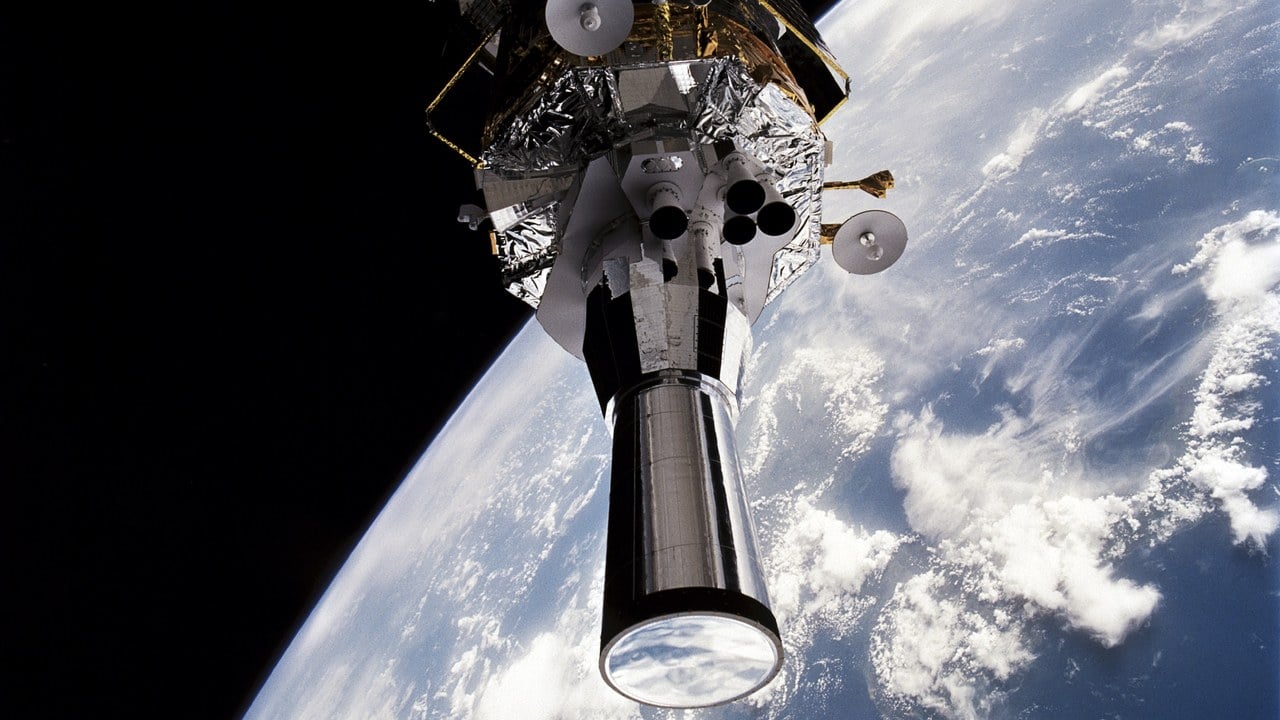
During the Space Force's Apollo Maneuvers 2026 live-fly exercise in September, Combat Forces Command's 2nd Space Warning Squadron demonstrated dynamic on-orbit maneuvers with two Defense Support Program satellites prior to decommissioning.
Pentagon Awards Space-to-Space Satellite Contracts
The Space Force selected Northrop Grumman and True Anomaly to build new intelligence, surveillance, and reconnaissance (ISR) satellites capable of operating in space by 2028. This procurement follows U.S. admission that the military already has weapons deployed in orbit.

Army Establishes Autonomous Warfare Command
The U.S. Army stood up an autonomous warfare command as part of broader reorganization efforts.
Strategic Policy & Regulation
Starship Flight 14 Advances to Orbit; Budget Constraints Reshape Procurement
SpaceX's Starship reached orbit on Flight 14 and deployed 26 V3 satellites before an early deorbit. More significantly, Pentagon officials told the Senate that a $1 trillion gap exists in cost estimates for the "Golden Dome" next-generation missile warning system, while the new fiscal year opens under a Continuing Resolution (CR) that freezes 150 new program starts.

Rocket Lab Signs 20-Mission Electron Launch Agreement
Rocket Lab secured a 20-mission Electron launch contract, expanding commercial launch capacity.
Sector-Wide Regulatory Expansion Continues
The space sector faces unprecedented regulatory constraints, with satellite licensing reforms and commercial-military integration driving policy shifts across Washington and Europe.
Industry Analysis & Trends
Defense Satcom Market Forecast to Exceed $22.6 Billion by 2035
Industry analysts project the defense satellite communications market will reach $22.6 billion by 2035, reflecting sustained military demand for secure, resilient orbital connectivity.
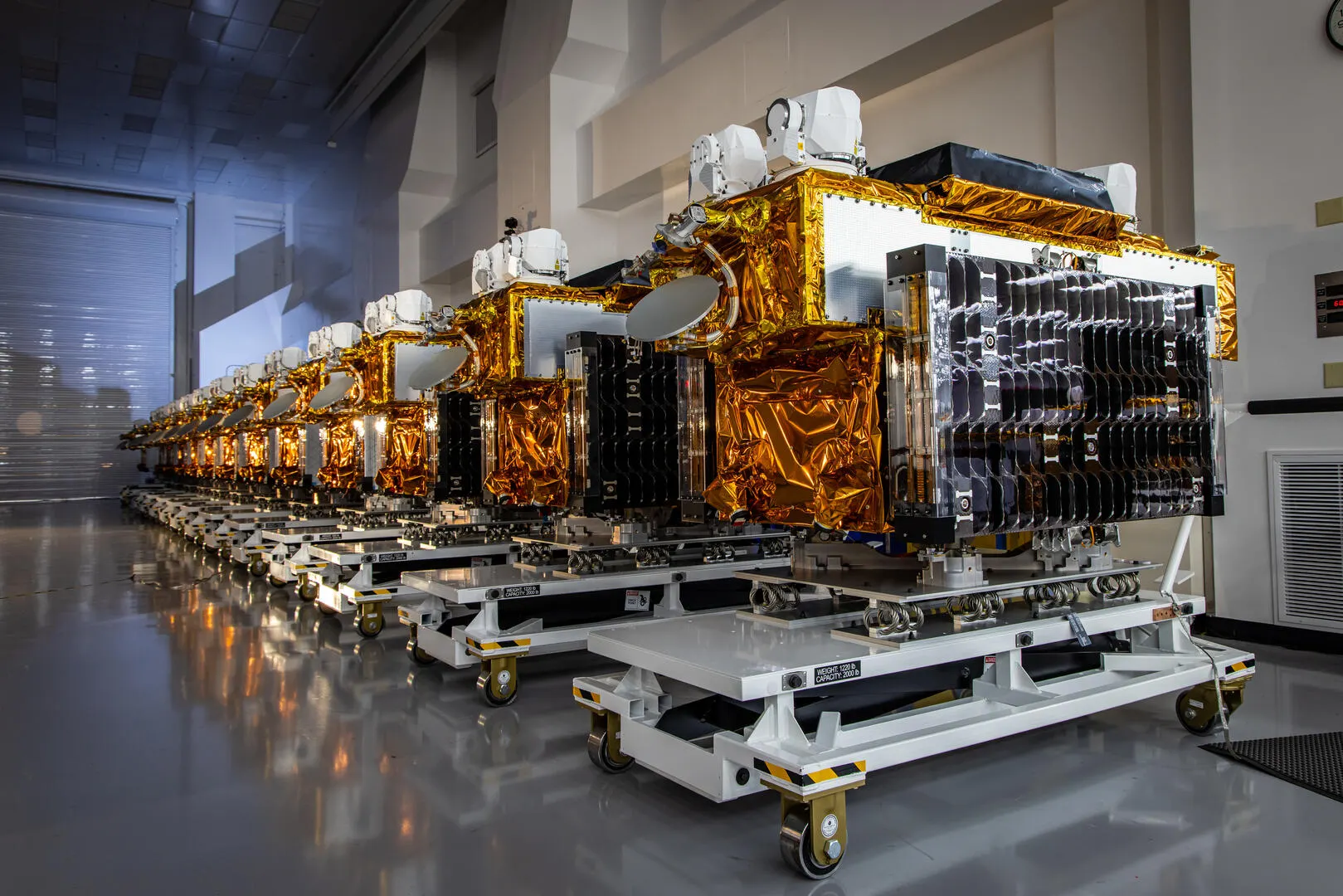
Northrop Grumman Delivers 21 Military Network Satellites
Northrop Grumman delivered 21 satellites to Vandenberg Space Force Base for the U.S. military's low Earth orbit communications and missile defense network, advancing the Pentagon's distributed satellite architecture.
Upcoming Confirmed Events & Milestones
No immediate confirmed milestones disclosed in today's sources.
Note: Coverage reflects verified information published or updated after October 3, 2026. Fiscal constraints continue to challenge near-term procurement schedules; the Pentagon's CR freeze and Golden Dome cost overruns indicate delayed timelines for next-generation systems.
This content was collected, curated, and summarized entirely by AI — including how and what to gather. It may contain inaccuracies. Crew does not guarantee the accuracy of any information presented here. Always verify facts on your own before acting on them. Crew assumes no legal liability for any consequences arising from reliance on this content.
Powered by
