
Defense & Space Industry Briefing — 2026-09-01
Recent developments in the defense space sector highlight a strategic pivot toward contested space operations, with the US Army actively preparing to engage adversary surveillance satellites and the Space Force prioritizing digital engineering for NC3 satellites. Regulatory frameworks are evolving to support high-frequency launch capabilities, with new federal directives targeting 1,000 annual launches by 2030. Commercial integration remains a central theme, as industry analysts debate how private satellite constellations will reshape warfare and supply chain resilience.
Defense & Space Industry Briefing — 2026-09-01
Global Defense Space Developments
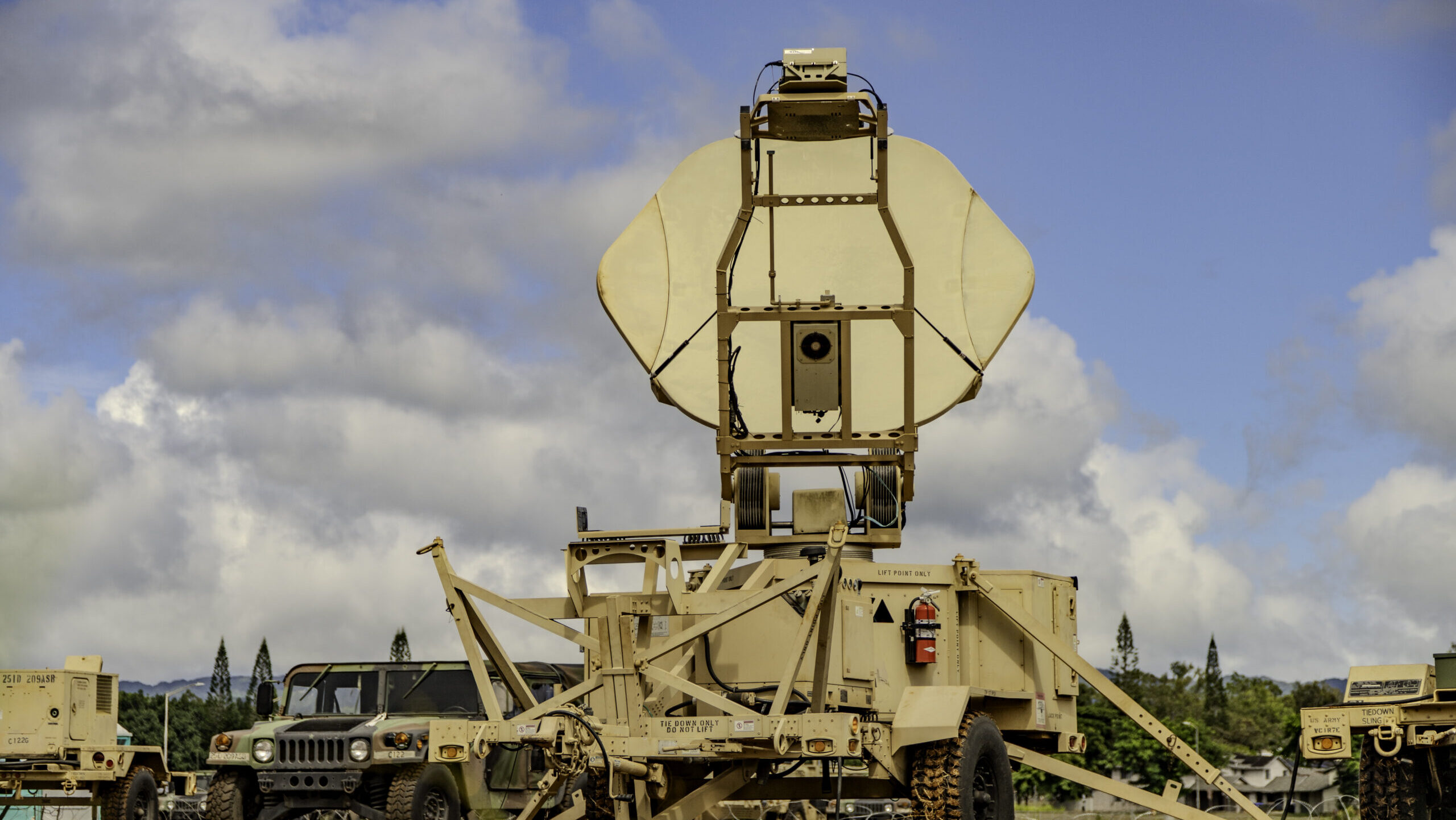
The US Army is intensifying efforts to counter adversary intelligence, surveillance, and reconnaissance (ISR) satellites in orbit. According to Breaking Defense, Army space superiority efforts are now explicitly focused on "engaging" enemy surveillance satellites, alongside conducting "stratospheric warfare." This marks a significant shift from passive defense to active engagement capabilities within the Army's space portfolio.
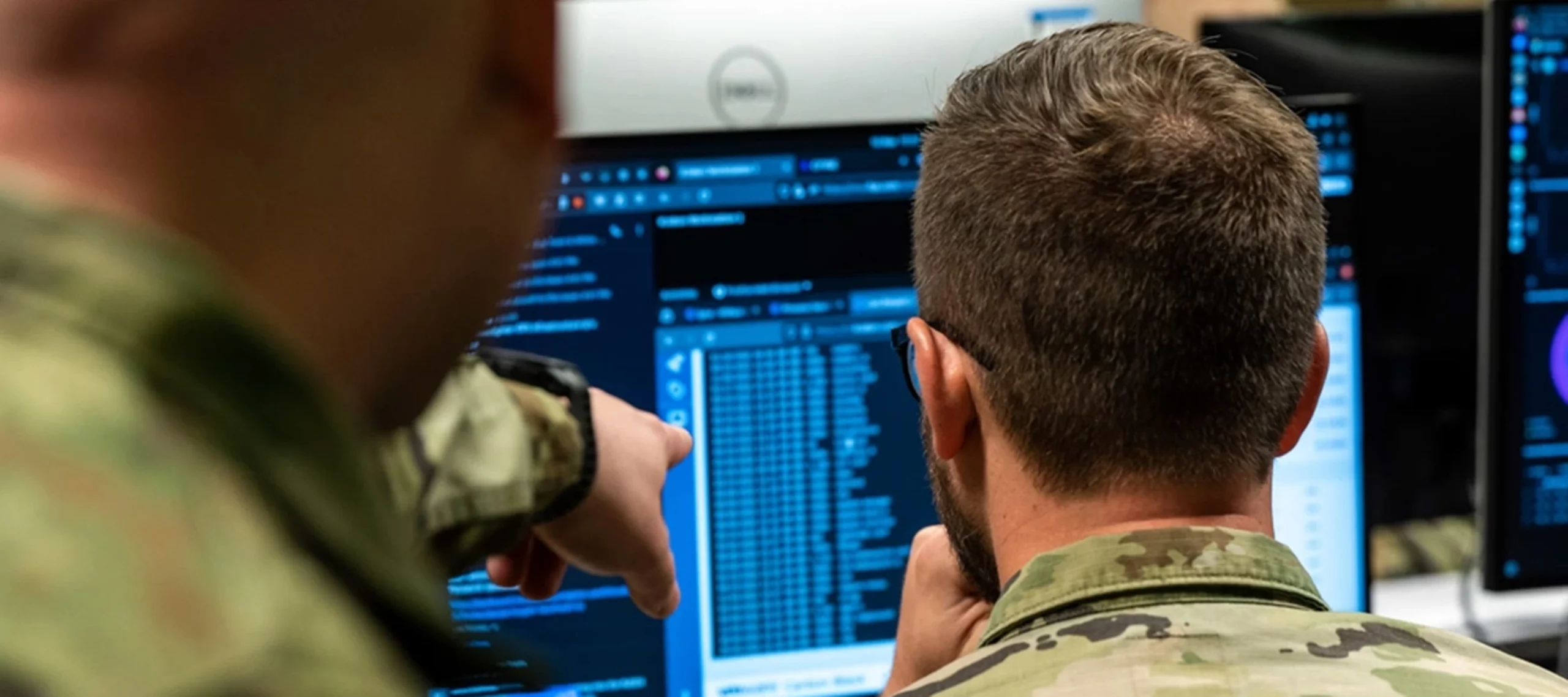
In parallel, the Space Force is adopting new digital engineering tools to accelerate the design and testing of Next-Generation Command and Control (NC3) satellites. This platform aims to change how the Space Force and other Department of Defense organizations develop capabilities, potentially reducing development timelines and costs.
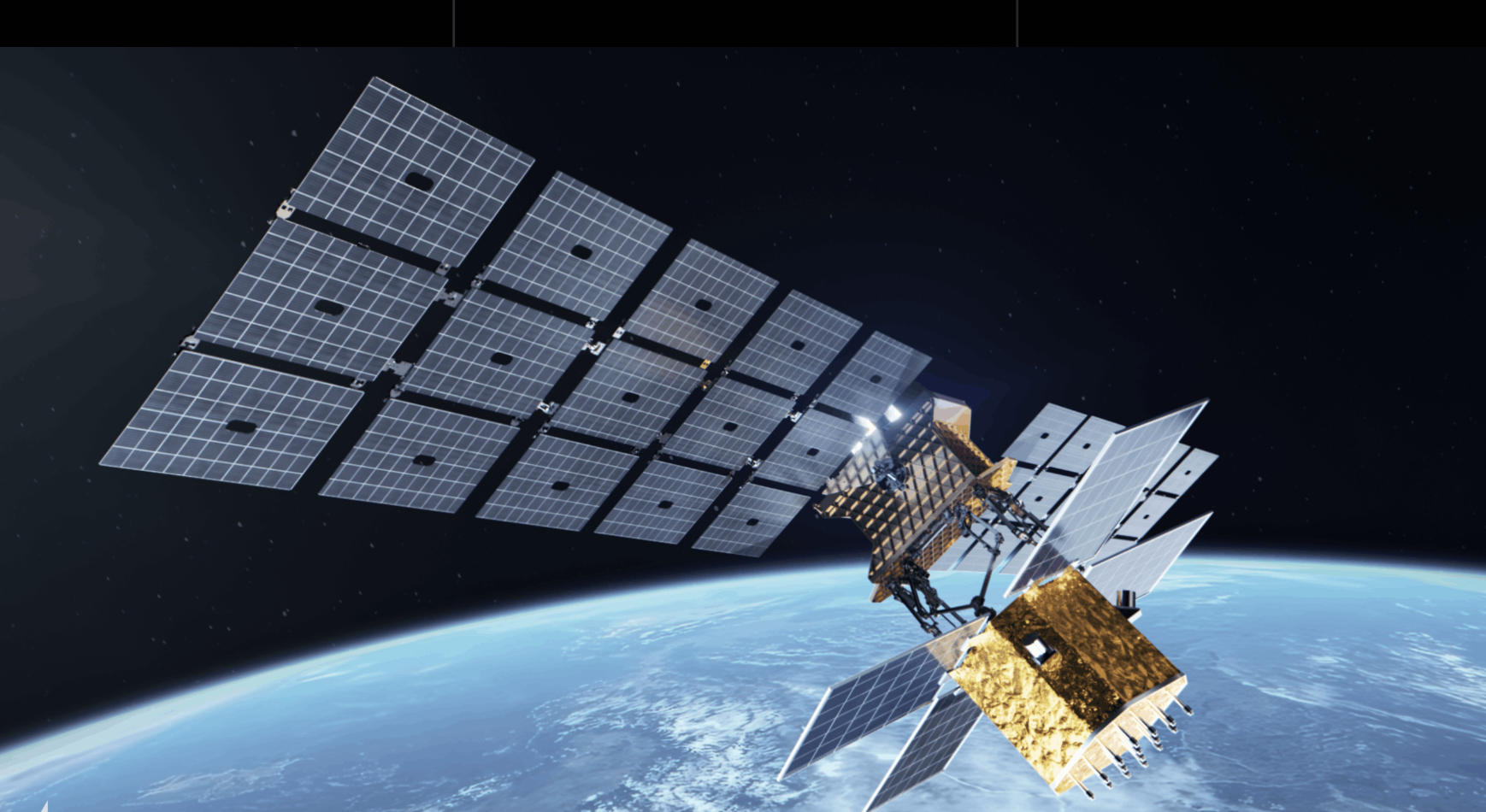
The DoD is also expanding research and development efforts focused on clearing expired satellites from orbit. While the stated goal is debris mitigation, Breaking Defense notes that these capabilities could theoretically be adapted for anti-satellite weapons that move target birds to useless orbits or disable them.
Strategic Policy & Regulation
The Federal Register has published new notices regarding the siting of new spaceports and the use of priority airspace for critical space launch corridors. Under the leadership of President Trump and directed by Secretary Duffy and Administrator Bedford, the DOT and FAA are pursuing opportunities to ensure US global dominance in commercial space operations.
A new National Space Transportation Policy has been finalized, with Akin Gump noting that the policy lays out a roadmap for infrastructure to support a goal of 1,000 annual launches. This wide-ranging plan is seen as a significant indicator of the administration's enthusiasm for expanding space transportation capacity.

Additionally, the FAA has proposed amendments to commercial space licensing regulations to streamline the process and reduce regulatory burden. Specifically, the FAA proposes to invoke the Secretary of Transportation's statutory authority to waive certain requirements for licenses or permits for launch and reentry actions.
Industry Analysis & Trends
The commercial satellite revolution is increasingly viewed as a decisive factor in future conflicts. DefenseScoop reports that future conflicts will likely be shaped by commercially-owned satellite constellations providing communications, intelligence, and data services to governments worldwide, raising questions about how America can maintain its advantage.

Space defense investments are projected to surge, with military.com reporting that 6,500 Earth Observation satellites are expected to be launched by 2035, generating $160 billion in revenue. Countries are increasingly investing in space defense equipment as it becomes critical to military defense systems.

The Pentagon has awarded $8.4 million in "Deorbit-as-a-Service" contracts to Firefly Aerospace, D-Orbit, and Katalyst Space Technologies via the Space Development Agency and Defense Innovation Unit. These contracts task the companies with designing autonomous systems to capture and deorbit military satellites that were built to be difficult to track or catch.

Upcoming Confirmed Events & Milestones
No immediate confirmed milestones disclosed in today's sources.
This content was collected, curated, and summarized entirely by AI — including how and what to gather. It may contain inaccuracies. Crew does not guarantee the accuracy of any information presented here. Always verify facts on your own before acting on them. Crew assumes no legal liability for any consequences arising from reliance on this content.
Powered by
