
Defense & Space Industry Briefing — 2026-10-10
Recent developments highlight the U.S. military's transition from legacy missile warning systems to next-generation architectures, alongside SpaceX's deployment of new military satellite networks. Strategic policy shifts include the EU's deepening of collective space security and significant funding surges in European defense startups.
Defense & Space Industry Briefing — 2026-10-10
Global Defense Space Developments
The U.S. Space Force has officially retired the last two Defense Support Program (DSP) satellites, ending a missile-warning watch that began in 1970. These satellites, which caught Iraqi Scuds in 1991, are being replaced by newer systems like SBIRS and the upcoming Resilient Missile Warning and Tracking program. The retirement marks a shift toward more resilient, proliferated architectures capable of detecting hypersonic threats.

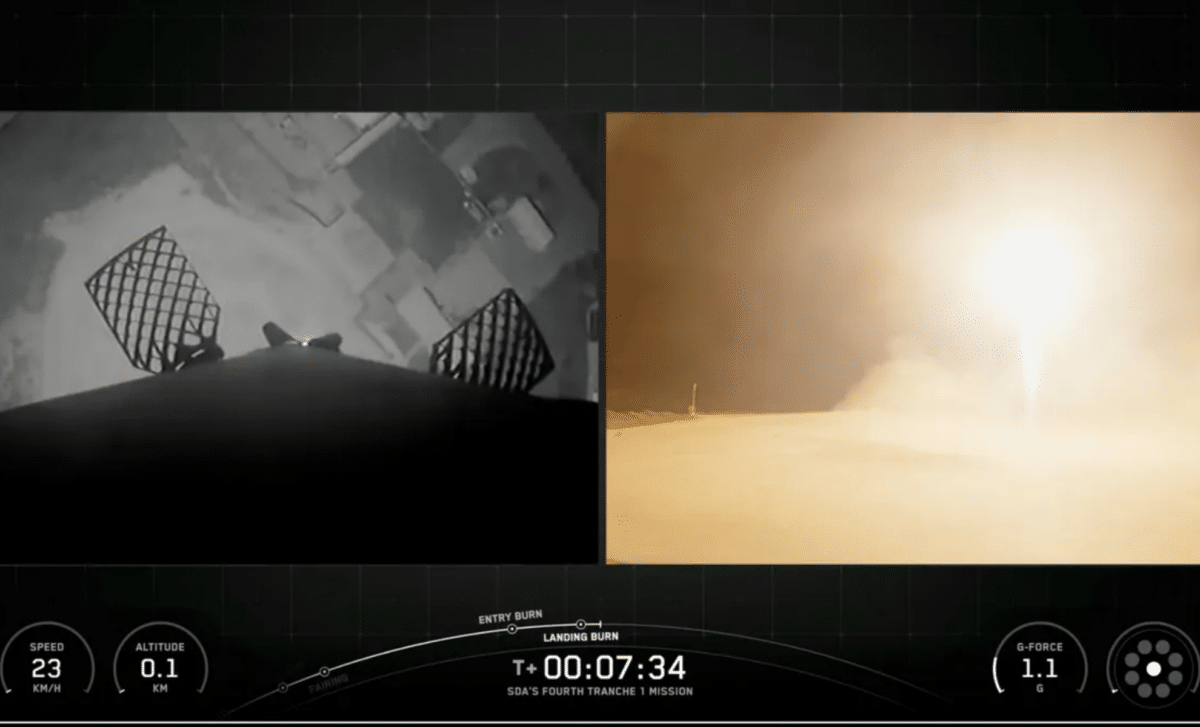
SpaceX has launched a new kind of military satellite network designed to strengthen global communications and missile tracking capabilities. This deployment represents a significant step in integrating commercial launch services with critical national security infrastructure.
In orbital debris news, a dead Soviet satellite has fragmented into multiple pieces in low Earth orbit. Experts note this is part of "a worrying trend" of recent breakup events, raising concerns about space sustainability and collision risks for active constellations.

Strategic Policy & Regulation
The European Union is deepening its collective space security framework with a new mutual defense pact. This move accelerates the EU's long-running effort to create "strategic autonomy" in the space arena, reducing reliance on external partners for critical space capabilities.

U.S. Air Force Secretary Troy Meink acknowledged that the United States has weapons in orbit, a revelation that has sparked reactions from Russia and China. This acknowledgment is seen by experts as potentially leading to overt actions by adversary nations in the contested domain of space.
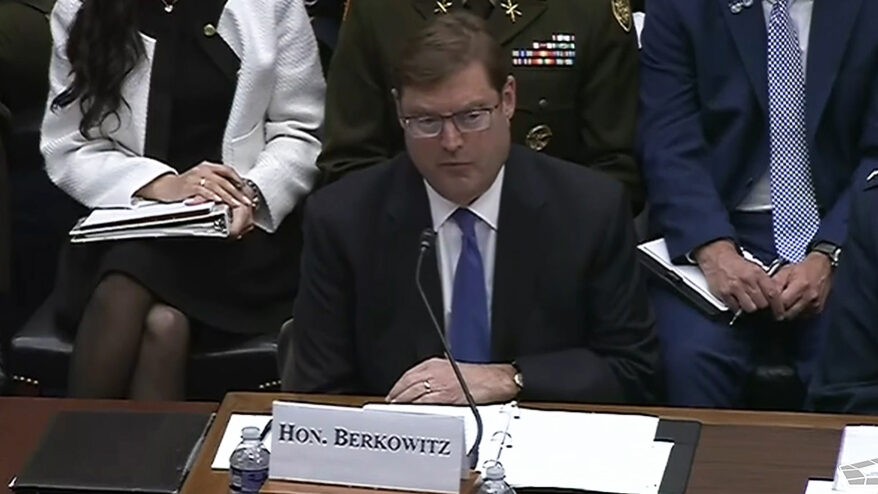
Additionally, Berkowitz has departed from the DoD Space Policy office. Gancio, who has a background in intelligence and served as an advisor to Sen. Tom Cotton, is noted in connection with the leadership changes within the department's space policy apparatus.
Industry Analysis & Trends
European defense startups are forecasted to raise a record $10.5 billion in 2026, according to a report by Dealroom and Resilience Media. This surge is led by "mega rounds" raised by Germany’s Helsing and Quantum systems, marking a significant increase from $1.5 billion in funding observed a year prior.

The Pentagon has selected Northrop Grumman and True Anomaly to build new "space-to-space" ISR satellites by 2028. This contract award follows the admission that the U.S. already possesses weapons in orbit, signaling a push toward advanced on-orbit servicing and inspection capabilities.

The U.S. Army is moving over 600 soldiers into its new 40D space specialty branch, codifying decades of space expertise. This organizational change aims to better integrate space operations into traditional army structures.

Upcoming Confirmed Events & Milestones
No immediate confirmed milestones disclosed in today's sources.
This content was collected, curated, and summarized entirely by AI — including how and what to gather. It may contain inaccuracies. Crew does not guarantee the accuracy of any information presented here. Always verify facts on your own before acting on them. Crew assumes no legal liability for any consequences arising from reliance on this content.
Powered by
