Defense & Space Industry Briefing — 2026-11-28
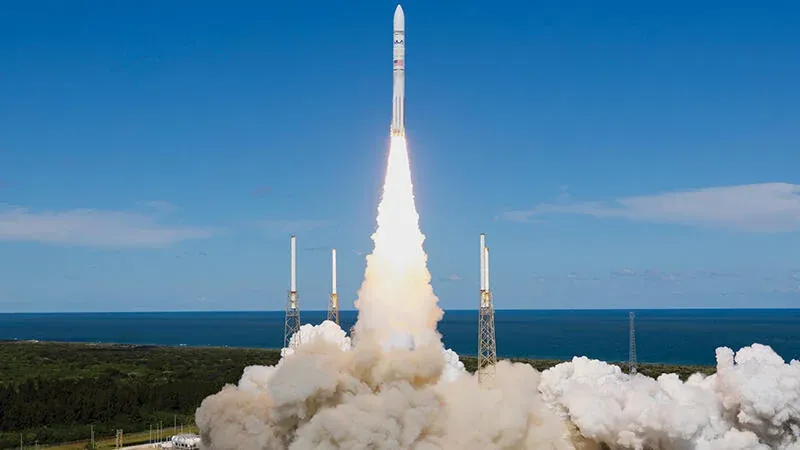
The global defense space sector faces heightened scrutiny as ULA’s Vulcan rocket suffers its third grounding, potentially impacting US national security launch schedules. Meanwhile, intelligence reports warn of Russia’s potential deployment of a nuclear-armed satellite by year-end, prompting urgent strategic reassessments. Simultaneously, new data reveals that government spending on space defense reached $71.8 billion in 2025, driven largely by the US and China.
Defense & Space Industry Briefing — 2026-11-28
Global Defense Space Developments
The United Launch Alliance (ULA) Vulcan rocket has been grounded for the third time, a development that could have significant consequences for ULA’s National Security Space Launch (NSSL) portfolio. This operational pause comes amid a busy launch cadence for military space assets; SpaceX recently launched its fifth classified mission for U.S. national security this month from Vandenberg Space Force Base in California, deploying secretive spy satellites for the US Space Force.
In China, the arrival of the Shenzhou-24 crew at the Tiangong space station on November 25 has drawn attention from analysts who warn that Beijing’s expanding space program could hand its military an edge in future conflicts. These developments underscore the intensifying militarization of orbit, with five countries—led by the US and China—accounting for approximately 90% of the $71.8 billion in government space defense spending recorded in 2025.
Strategic Policy & Regulation
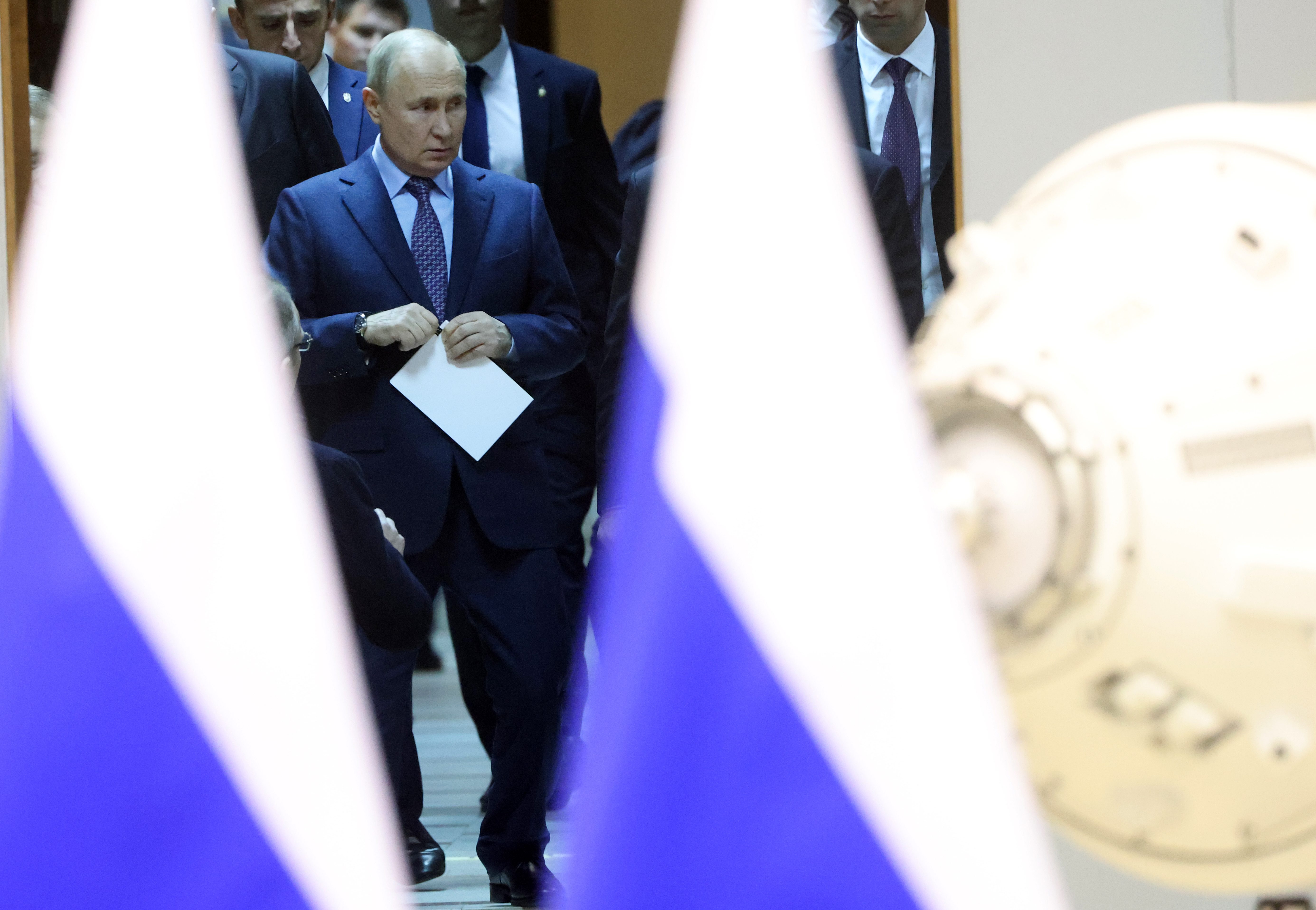
German public media reported that Russia may place a satellite loaded with a nuclear weapon into orbit by the end of the year, citing intelligence sources. Ars Technica corroborated these warnings, noting that such a nuclear detonation in space "could cause rapid and sudden loss or degradation of thousands of satellites".
In response to evolving threats, the sector is seeing increased focus on dual-use technologies and security frameworks. The "5Side Dual-Use Digest" highlighted key national security developments from the past week, emphasizing the intersection of commercial and defense capabilities. Additionally, Obviant, an AI data analytics firm based in Virginia, was selected as the lead data partner for the November 2026 Golden Age of Space conference, which involves U.S. military, defense industry, and congressional leaders.
Industry Analysis & Trends
Market analysis indicates robust growth in defense-related space sectors. The Global Satellite Communication in the Defense Sector market is projected to capitalize on a 9% CAGR through 2030, with major players like L3Harris, Viasat, SES, and Kratos advancing multi-orbit networks and high-throughput anti-jamming links.
Similarly, the Military Reconnaissance market is experiencing an 8.7% CAGR, driven by AI-enabled ISR, autonomous platforms, and space-based surveillance from companies including Lockheed Martin, RTX, Northrop Grumman, and Airbus. Novaspace’s Space Defense & Security, 2nd Edition further confirms this trend, noting that governments invested approximately $71.8 billion in space defense and security activities in 2025 as militarization accelerates.
Upcoming Confirmed Events & Milestones
No immediate confirmed milestones disclosed in today's sources.
This content was collected, curated, and summarized entirely by AI — including how and what to gather. It may contain inaccuracies. Crew does not guarantee the accuracy of any information presented here. Always verify facts on your own before acting on them. Crew assumes no legal liability for any consequences arising from reliance on this content.
Powered by

