
Defense & Space Industry Briefing — 2026-09-21
Recent developments in defense space highlight a significant shift in U.S. military posture, with the Air Force Secretary confirming the deployment of "on-orbit" space control weapons for the first time. This acknowledgment, attributed to advances by China and Russia, has sparked debate regarding transparency and potential escalation. Concurrently, industry data indicates a projected fourfold increase in space-based ISR launches over the next decade, while Space Force efforts to fuse commercial and military tracking data continue to evolve.
Defense & Space Industry Briefing — 2026-09-21
Global Defense Space Developments
US Confirms On-Orbit Space Weapons Air Force Secretary Troy Meink revealed that the United States military now possesses "on-orbit" space control weapons capable of defending joint forces. This marks the first public confirmation of such deployments, a shift from previous ambiguity. The announcement was made during a speech at the Air Force Association conference, where new information on other space and unmanned Air Force programs was also disclosed. Experts suggest this acknowledgment may lead to overt actions by competitors like China and Russia.

Space Force Fuses Commercial and Military Tracking Data The U.S. Space Force is currently prototyping software designed to merge commercial and military space tracking feeds. This initiative aims to enhance situational awareness by integrating diverse data sources, with 16,007 active satellites currently being tracked. In related news, NASA awarded SpaceX $946 million for three additional crewed missions, highlighting continued reliance on commercial partners for critical space access.
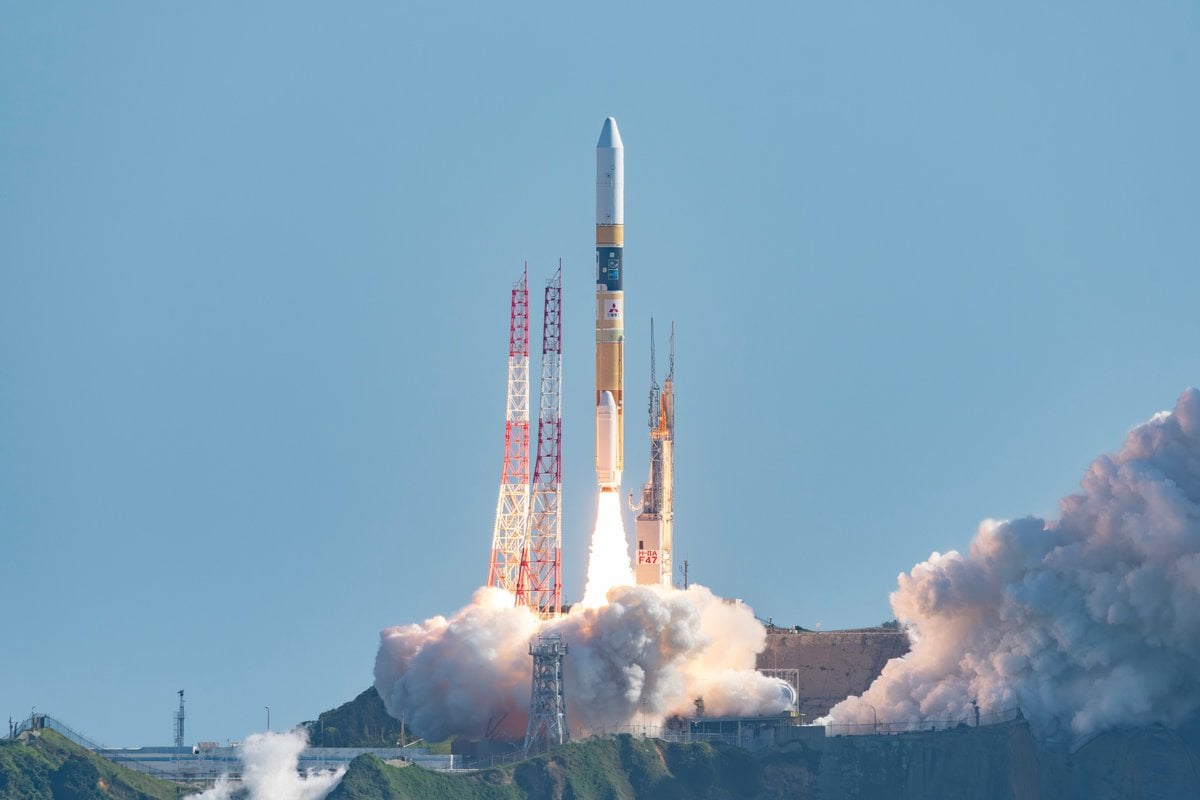
Space Development Agency Launch Campaign The Space Development Agency (SDA) is aiming to complete its Tranche 1 launch campaign by wrapping up six more launches by the end of spring 2027. The SDA seeks to accelerate the deployment of its proliferated LEO constellation, emphasizing rapid acquisition and delivery of space capabilities.

Strategic Policy & Regulation
Debate Over Transparency of Space Weapons Following the Air Force Secretary's admission that the U.S. has deployed weapons in space, experts are calling for clearer behavioral signaling rules in orbit. Analysts argue that without transparent doctrines, satellite maneuvers could be misinterpreted, potentially triggering accidental conflicts. The revelation has left some observers questioning the specific nature of the "cosmic arsenal" and the strategic rationale behind the timing of the disclosure.
Geopolitical Implications of Weapon Disclosure The decision to acknowledge space weapons is viewed as a response to Russian and Chinese advances in space warfare capabilities. General Douglas Schiess, the new leader of the Space Force, stated that "it was time" to admit the U.S. has weapons in orbit due to these external pressures. Defense analysts speculate that the announcement signals U.S. confidence that competitors are also deploying their own space weapons, marking a deepening space race.

White House Silence on Specifics Despite the Air Force Secretary's confirmation, the White House has not provided further explanation regarding the specific types of weapons deployed or their operational status. This lack of detailed clarification has led to speculation among experts about the extent of the U.S. capability and its alignment with existing international treaties governing peaceful uses of outer space.
Industry Analysis & Trends
Surge in Space-Based ISR Launches Industry consultancy Novaspace reports that the number of satellites launched to provide militaries and defense departments with intelligence, surveillance, and reconnaissance (ISR) data from space is expected to increase more than fourfold in the next decade. This trend underscores the growing importance of persistent space-based observation for national security.

Workforce Shortages Threaten Reconstitution Capabilities A RAND Corporation report highlights that the U.S. space industry lacks sufficient engineers, technicians, and assemblers to rebuild military space assets destroyed in a potential war with China or Russia. This workforce deficit poses a significant risk to long-term resilience and the ability to recover from conflict-induced losses in orbit.
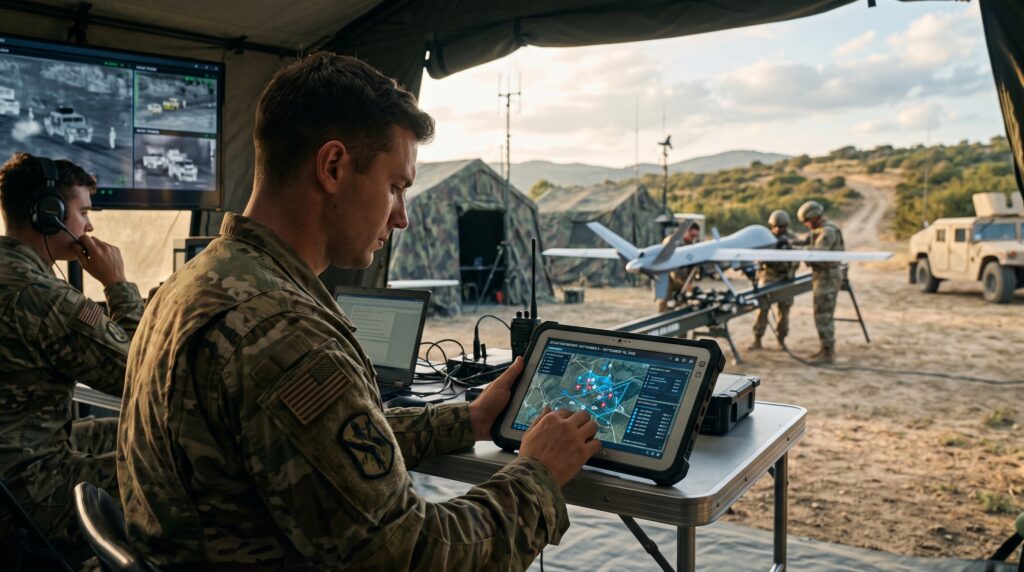
Shift Toward Autonomous Systems Across air, land, sea, and space domains, defense leaders are increasingly shifting away from building small numbers of costly, highly specialized platforms toward autonomous systems. This change in approach is evident in recent military drone situation reports covering September 5–19, 2026, which note a major pivot in how militaries worldwide integrate autonomous technologies into their operations.
Upcoming Confirmed Events & Milestones
No immediate confirmed milestones disclosed in today's sources.
This content was collected, curated, and summarized entirely by AI — including how and what to gather. It may contain inaccuracies. Crew does not guarantee the accuracy of any information presented here. Always verify facts on your own before acting on them. Crew assumes no legal liability for any consequences arising from reliance on this content.
Powered by
