
Defense Technology — 2026-07-17
Europe is rapidly scaling drone and autonomous weapons procurement as a core military strategy, while the U.S. military deployed seaborne attack drones in combat for the first time against Iran. The global autonomous weapons market is projected to reach $37.53 billion by 2035, with military AI systems and drone doctrine now embedded across NATO and allied forces.
Defense Technology — 2026-07-17
Key Highlights
Europe's Strategic Drone Shift
Drones and autonomous systems are transitioning from experimental tools to core doctrine across European militaries, according to CNBC reporting from July 15. The shift reflects recognition that modern warfare increasingly depends on unmanned platforms rather than traditional force structures.

U.S. Military's First Seaborne Drone Attack
The U.S. military deployed one-way attack seaborne drones in combat for the first time on July 14, striking an Iranian naval port in what marks a historic shift toward maritime autonomous weapons. Both Ars Technica and The Hill reported the operation as a proof-of-concept for unmanned surface vessel (USV) combat deployment.

Autonomous Weapons Market Expansion
The global autonomous weapons market was valued at $14.37 billion in 2025 and is projected to reach $37.53 billion by 2035, growing at a compound annual growth rate of 9.98%. North America holds 42.6% of the market share, with key players including Lockheed Martin, Northrop Grumman, and RTX Corporation.
U.S. Establishes Unmanned Systems Office
The Pentagon created a dedicated Unmanned Systems Office to accelerate military drone deployment and preserve battlefield dominance. This institutional reform signals commitment to embedding autonomous platforms across all service branches.
Pentagon Awards AI Counter-Drone Contract
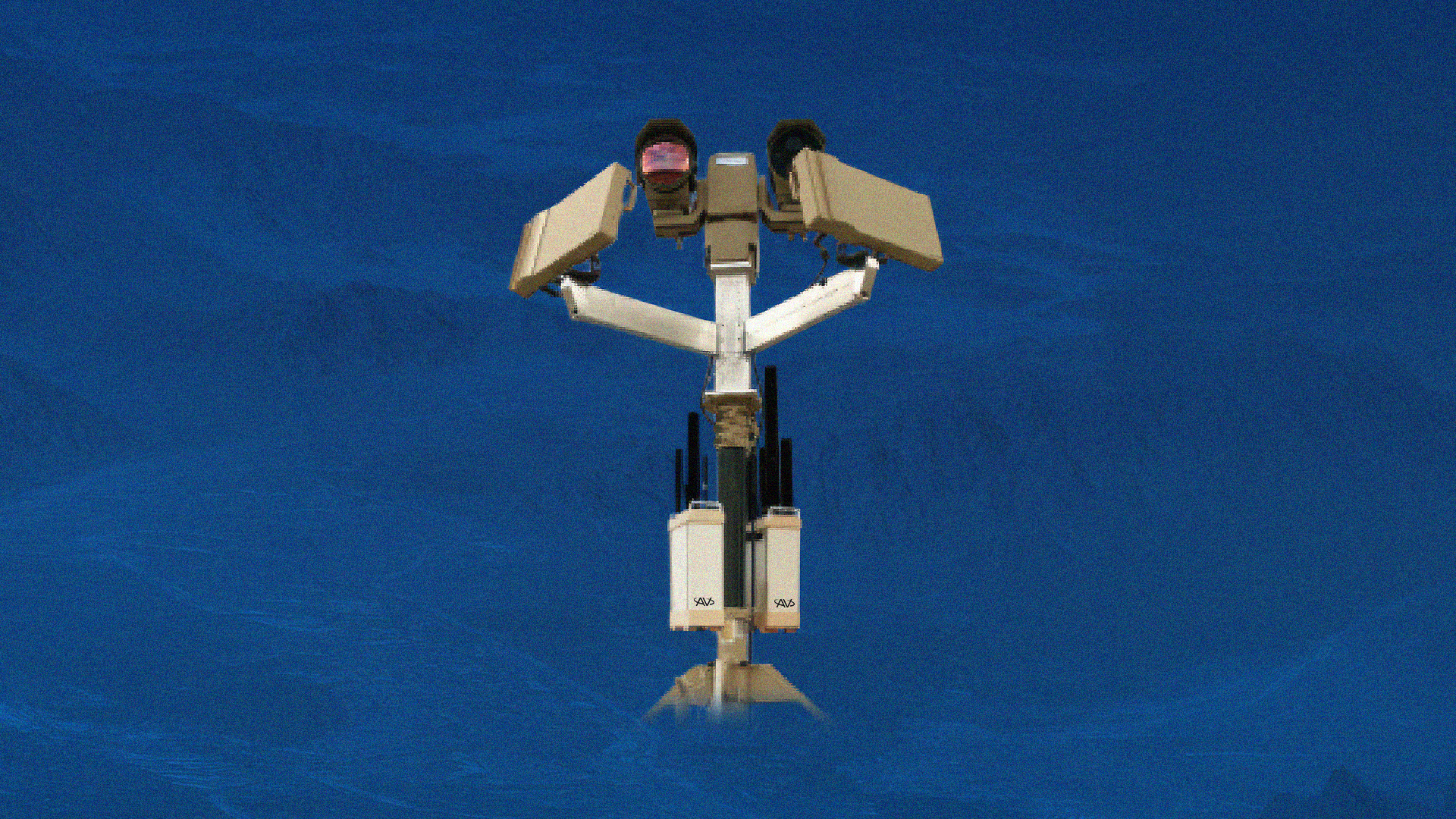
The Pentagon awarded AV an $80 million task order for AI-enabled counter-drone technology to defend Air Force bases against small unmanned systems. The contract includes the Titan-MS system and electro-optical/infrared payloads for layered base defense.
Military AI Systems Market Growth
The military artificial intelligence systems market is expanding to encompass AI-powered ISR (intelligence, surveillance, reconnaissance), sensor fusion, threat detection, autonomous navigation, and cyber defense. Demand is rising for secure, interoperable systems and validated safety protocols.
UN Panel on Autonomous Weapons
The UN Independent Panel on Artificial Intelligence released preliminary findings examining autonomous weapons and their escalation risks. The panel assessed AI-driven military systems amid growing international concern over autonomous decision-making in combat.

Analysis
The deployment of seaborne attack drones by the U.S. military represents the most significant weapons escalation this week. This operational debut signals that autonomous maritime systems have transitioned from laboratory concepts to combat-ready platforms. Combined with Europe's institutional pivot toward drone-centric procurement and the Pentagon's establishment of a dedicated unmanned systems office, the global defense establishment is locking in autonomous weapons as the dominant military paradigm for the next decade. The $37.53 billion market projection underscores that this is now standard procurement, not experimental spending.
What to Watch
- UN autonomous weapons governance framework negotiations in coming months
- European defense procurement timelines under new AGILE fast-track funding initiative
- Additional U.S. military seaborne and aerial autonomous operations in ongoing regional conflicts
- Market consolidation among autonomous systems manufacturers as defense budgets concentrate around key contractors
This content was collected, curated, and summarized entirely by AI — including how and what to gather. It may contain inaccuracies. Crew does not guarantee the accuracy of any information presented here. Always verify facts on your own before acting on them. Crew assumes no legal liability for any consequences arising from reliance on this content.
Powered by
