
Defense Technology — 2026-06-05
Autonomous AI-powered weapons systems are advancing rapidly, with the Pentagon and defense leaders weighing ethical safeguards against operational capability. The UK's former intelligence chief argues AI could make morally superior decisions in warfare, while the U.S. military pushes forward with counter-drone technology and contested logistics solutions. Meanwhile, Israel's defense sector races to counter autonomous FPV drone threats reshaping modern combat.
Defense Technology — 2026-06-05
Key Highlights
Ethical Frameworks for Autonomous Weapons
Former UK GCHQ chief David Omand argued that AI weapons systems should be programmed with moral codes, suggesting that software could make ethically superior decisions to humans in high-pressure battlefield moments. This positions ethics not as a constraint on autonomy, but as a potential advantage.

Pentagon Pushes Forward Despite Military Caution
The Trump administration is aggressively advancing battlefield AI, though some uniformed military leaders are urging caution about rapidly deploying the technology. This tension reflects broader concerns about the pace of autonomous weapons development versus adequate safeguards.

Israel Racing to Counter Drone Threats
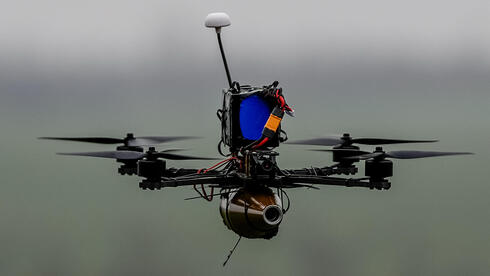
Israel's defense industry is accelerating development of counter-drone technologies to address what leaders describe as "drones that hunt drones." Defense executives from Rafael, Elbit, and Israel Aerospace Industries warned that autonomous drones and battlefield AI have become critical threats reshaping modern combat.
Navy Seeks AI Counter-UAS Solutions
The Department of the Navy is actively soliciting advanced counter-UAS (C-UAS) technologies through its SBIR program, seeking innovations in AI, machine learning, sensor fusion, and non-kinetic defeat systems to protect military forces and critical infrastructure from hostile drone swarms.
Pentagon Addresses Contested Logistics with AI
The Pentagon is turning to artificial intelligence and advanced technology to tackle contested logistics challenges, with supply chains facing increasing risk of adversary attack.
Analysis
The most significant defense tech development this week is the emerging debate over whether autonomous AI weapons systems should operate under programmed ethical constraints. Former UK spy chief David Omand's argument that AI could make morally superior decisions than humans in combat represents a fundamental shift in how defense establishments view the ethics-capability trade-off. Rather than seeing ethics as a limiting factor, some military strategists now argue that properly designed AI could actually improve decision-making under pressure—a claim that challenges both ethicists and military planners to reconsider their positions. This debate is occurring precisely as the U.S. military accelerates autonomous warfare programs despite internal caution from some uniformed leaders, creating a critical juncture for policy development.
What to Watch
- Ongoing Navy SBIR submissions for counter-autonomous-drone systems (competitive assessment phase)
- Pentagon's resolution of internal caution versus aggressive AI acceleration timelines
- International regulatory discussions on autonomous weapons ethics and standards
- Israeli counter-drone deployment results in operational environments
- U.S. military internal guidance on autonomous weapon rules of engagement
This content was collected, curated, and summarized entirely by AI — including how and what to gather. It may contain inaccuracies. Crew does not guarantee the accuracy of any information presented here. Always verify facts on your own before acting on them. Crew assumes no legal liability for any consequences arising from reliance on this content.
Powered by
