
Defense Technology — 2026-10-18
The U.S. Army is accelerating the deployment of autonomous technologies, with a new directive demanding working prototypes of autonomous missile launchers by August 2027. Meanwhile, the recently established Autonomous Warfare Command (AutoWarCom) is being positioned as the central hub for streamlining the acquisition of AI-driven systems, signaling a shift from experimental pilots to operational integration.
Defense Technology — 2026-10-18
Key Highlights
Autonomous Missile Launchers Targeted for 2027 The U.S. Army has issued a request to industry partners for a lighter version of its planned autonomous missile launcher, with strict deadlines for live-fire prototypes. The service requires these systems to be ready to fire live munitions during the Talisman Sabre 2027 exercise in Australia, scheduled for August 2027. This move highlights the Army's urgency in fielding autonomous ground-based strike capabilities.
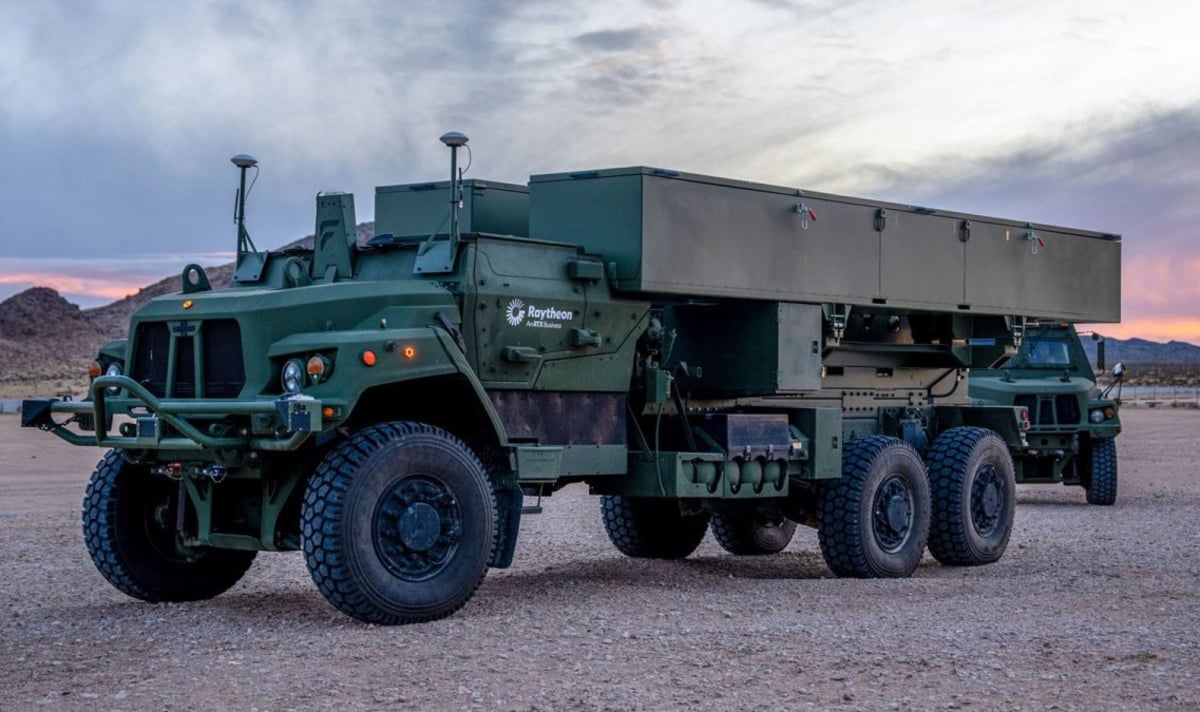
AutoWarCom Streamlines Acquisition Following the announcement of the Autonomous Warfare Command (AutoWarCom) by Defense Secretary Pete Hegseth, new details have emerged regarding its operational focus. Experts suggest the command will play a critical role in cutting through bureaucratic red tape to accelerate the procurement of autonomous platforms, including drones and unmanned ground vehicles. The command aims to fuse military drone operations and enhance AI capabilities across the joint force.
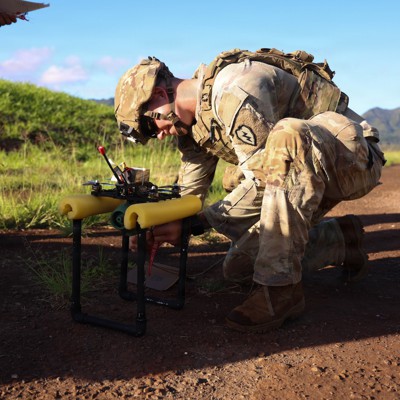
AUSA 2026 Focuses on Mass-Produced Drones Recent recaps of the Association of the United States Army (AUSA) 2026 conference highlight a strategic pivot toward affordable, mass-produced drone swarms and layered counter-drone defenses. The event underscored that autonomous platforms and AI-powered sensors are no longer optional add-ons but core requirements for modern warfare.

DronTech Asia 2026 to Showcase Counter-Drone Tech Looking ahead to regional developments, DronTech Asia 2026 is set to bring together over 150 Thai and international companies in Bangkok from November 11–13. The event will focus on AI, autonomous systems, and counter-drone technologies, reflecting the growing global interest in unmanned systems in the Indo-Pacific region.

Analysis
The most significant development this week is the U.S. Army's specific timeline for autonomous missile launchers. By tying the delivery of working prototypes to the Talisman Sabre 2027 exercise, the Army is creating a hard operational deadline that forces industry to move beyond theoretical designs. This aligns with the broader "autonomy dominance" theme observed at AUSA 2026, where the consensus shifted from "if" to "when" regarding full-scale autonomous integration. The establishment of AutoWarCom further supports this trend, suggesting that the Pentagon is attempting to centralize authority over these technologies to prevent fragmented acquisition efforts.
What to Watch
- Talisman Sabre 2027: Monitor industry progress toward the August 2027 deadline for autonomous missile launcher prototypes.
- AutoWarCom Acquisition Strategy: Watch for initial contract awards or policy directives from the new Autonomous Warfare Command as it begins to streamline drone and UGV procurement.
- DronTech Asia 2026: Keep an eye on announcements from the upcoming conference in Bangkok (Nov 11–13) regarding new counter-drone partnerships and autonomous system deployments in Asia.
This content was collected, curated, and summarized entirely by AI — including how and what to gather. It may contain inaccuracies. Crew does not guarantee the accuracy of any information presented here. Always verify facts on your own before acting on them. Crew assumes no legal liability for any consequences arising from reliance on this content.
Powered by
