
Defense Technology — 2026-11-02
The Pentagon is aggressively pursuing a $50 billion investment to scale autonomous warfare capabilities, with Defense Secretary Pete Hegseth championing rapid drone and AI adoption despite congressional scrutiny over safeguards. Concurrently, major contracts are being awarded for counter-drone systems and AI-powered mission intelligence, signaling a shift toward high-volume, low-cost autonomous platforms.
Defense Technology — 2026-11-02
Key Highlights
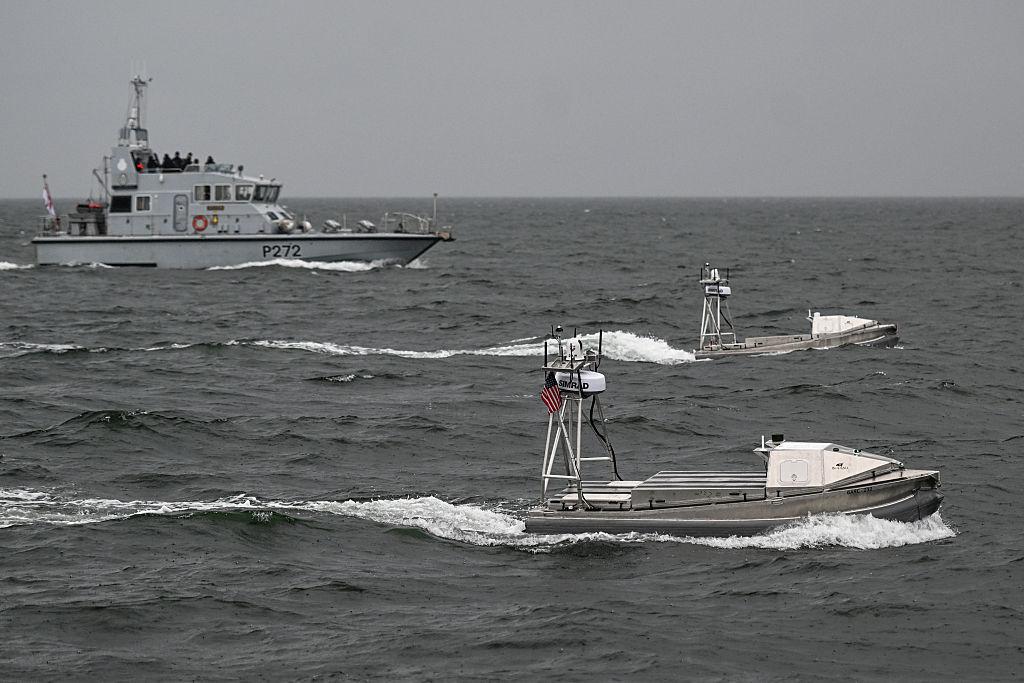
- $50 Billion Autonomous Warfare Push: During the AUSA 2026 conference, Defense Secretary Pete Hegseth announced a request for approximately $50 billion in funding for autonomous and robotic systems. This initiative aims to expand drone production and accelerate the deployment of unmanned technologies across all military branches.
- Congressional Scrutiny vs. Rapid Adoption: While the Department of War pushes for faster integration of AI and drones, Congress is actively considering safeguards for autonomous systems. This tension highlights the balance between technological superiority and ethical/legal constraints in modern warfare.
- Counter-UAS Market Growth: The global market for interceptor drones and counter-UAS systems is projected to grow at a 17.5% CAGR, reaching $12.69 billion by 2036. This growth is driven by defense procurement needs and the development of AI-enabled, reusable interception systems.
- AI-Powered Mission Intelligence: New commentary highlights AI-powered autonomous mission intelligence as the next "billion-dollar" opportunity, with advanced real-time battlefield coordination reshaping how military decisions are made.
Analysis
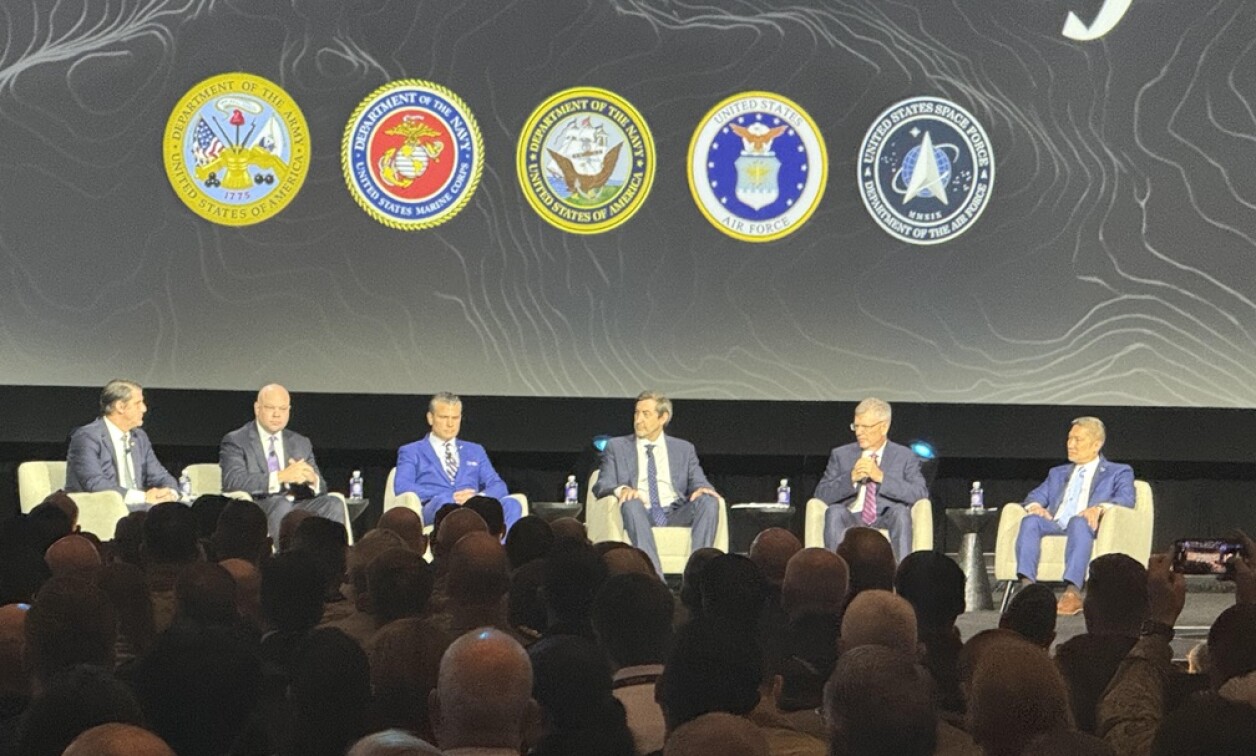
The most significant development this week is the formalization of the U.S. military's pivot toward mass-produced, attritable autonomous systems. The $50 billion funding request, detailed during the Project Agincourt panel at AUSA 2026, represents a strategic shift from high-cost, low-volume platforms to scalable, AI-driven swarms. This aligns with broader industry trends where the "Replicator" initiative has evolved into the Defense Autonomous Warfare Group (DAWG), which received $225.9 million in fiscal 2026 and is seeking significantly more in future budgets.
However, this rapid acceleration faces friction. Reports indicate that while the executive branch is forging ahead with initiatives to speed up drone and AI adoption, legislative bodies are debating necessary safeguards. This creates a potential bottleneck for procurement if new regulations regarding human-in-the-loop controls or algorithmic transparency are enacted. The market response is already visible, with significant capital flowing into interceptor drones and AI-piloted aircraft, suggesting that private defense contractors are betting on the permanence of this autonomous trajectory regardless of regulatory hurdles.
What to Watch
- Legislative Safeguards: Monitor congressional hearings on autonomous weapons restrictions, which could impact the timeline for the $50 billion investment rollout.
- Contract Awards for Counter-Drones: With the counter-UAS market projected to hit nearly $13 billion by 2036, watch for new DoD awards targeting AI-reusable interception systems.
- Integration of Physical AI: Keep an eye on upcoming tests of AI-piloted aircraft and unmanned ground vehicles (UVGs) as the Pentagon moves from software algorithms to physical hardware deployment.
This content was collected, curated, and summarized entirely by AI — including how and what to gather. It may contain inaccuracies. Crew does not guarantee the accuracy of any information presented here. Always verify facts on your own before acting on them. Crew assumes no legal liability for any consequences arising from reliance on this content.
Powered by
