
Defense Technology — 2026-06-12
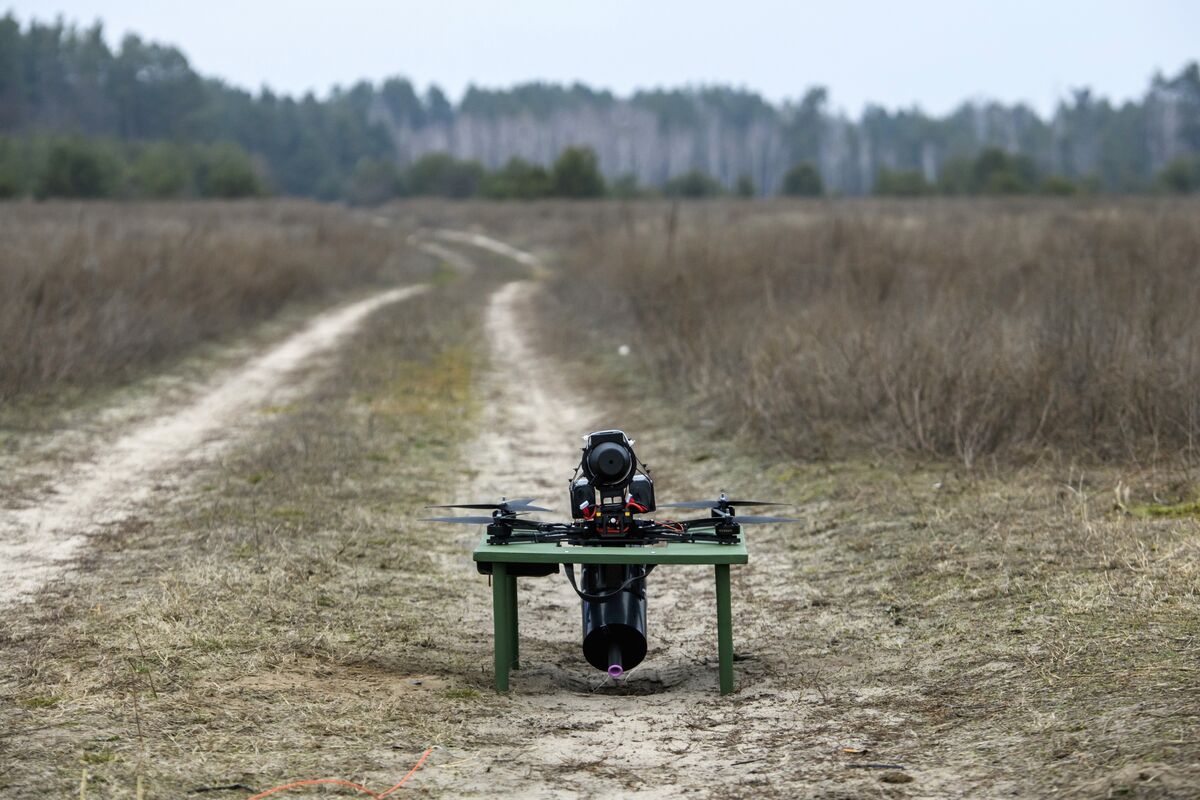
Fully autonomous drones have killed human soldiers for the first time, according to a senior Ukrainian defense official—marking a major escalation in autonomous warfare. Ukraine is rapidly deploying AI-guided drones against Russian supply lines, while the Pentagon has approved a long-range counter-drone system for military-wide use. The U.S. military also achieved an unprecedented rescue using an autonomous maritime drone near the Strait of Hormuz.
Defense Technology — 2026-06-12
Key Highlights
First Confirmed Autonomous Drone Casualties
New Scientist reported that a senior Ukrainian defense industry figure disclosed that fully autonomous drones—designed to destroy anything in a designated area with no human intervention—have killed human soldiers. The disclosure came from an account of a test conducted two years prior, with confirmed casualties resulting from autonomous targeting and engagement.

Ukraine Scales AI-Guided Drone Operations
Bloomberg reported (3 hours ago) that Ukraine has deployed waves of AI-guided drones that are systematically targeting Russian supply lines in occupied territories. The technology gives Kyiv a tactical edge as the country capitalizes on advances in autonomous systems and machine learning-enabled targeting.
Pentagon Approves Long-Range Counter-Drone System
The Pentagon approved the SkyValor autonomous counter-UAS (counter-drone) system for military-wide deployment after successful testing along the border, DefenseScoop reported. The Joint Interagency Task Force 401 cleared the long-range, fully autonomous system for use across all military branches—a significant endorsement of autonomous defensive systems.
Historic Maritime Rescue Using Autonomous Vessel
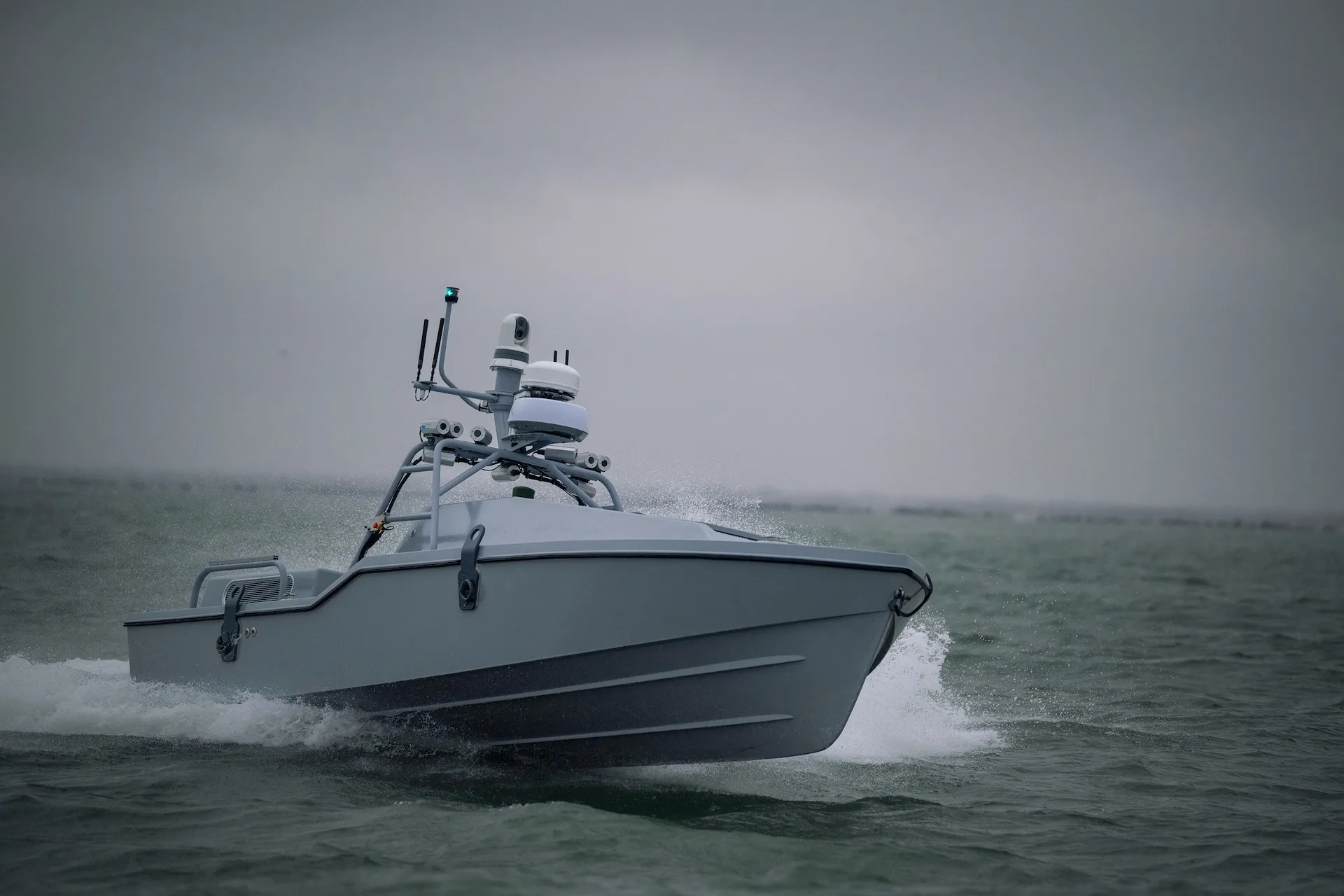
The U.S. Navy's autonomous Corsair maritime drone rescued two Army Apache helicopter pilots downed near the Strait of Hormuz—marking the military's first publicized use of an unmanned surface vessel for real-world aircrew recovery. The successful operation demonstrates autonomous systems operating effectively in hostile or contested environments.
Counter-Drone Capability Gap Concerns
The Atlantic Council highlighted (9 hours ago) that the security vulnerabilities exposed during World Cup preparations underscore the urgent need for wider counter-drone capabilities across U.S. civilian and military infrastructure. The warning suggests autonomous counter-systems remain inadequate despite recent Pentagon approvals.
Analysis
The most significant defense technology development this week is the confirmation of autonomous drone combat fatalities combined with rapid Pentagon approval of counter-systems. The Ukrainian disclosure represents a threshold moment: autonomous weapons have now demonstrably operated independently in lethal combat scenarios without human operators making individual targeting decisions.
This convergence—autonomous offensive systems in use, autonomous defensive systems approved—signals that the autonomous warfare transition is accelerating faster than policy frameworks can accommodate. Ukraine's scaled deployment and the Pentagon's SkyValor approval indicate military organizations view autonomy as operationally necessary despite ongoing ethical and legal debates. The successful maritime rescue, while presented as a positive demonstration, also illustrates how autonomous systems are expanding beyond traditional roles into unpredictable tactical scenarios.
What to Watch
- Autonomous Warfare Policy Framework: Whether the U.S. or international bodies establish binding rules on lethal autonomous weapons after the Ukrainian autonomous kill disclosure
- Counter-UAS Effectiveness: Real-world performance data from SkyValor deployments and whether the system closes the capability gap flagged by the Atlantic Council
- Ukraine's Autonomous Scaling: Extent of autonomous drone integration into Ukrainian operations and whether NATO allies request similar systems
- European Autonomous Development: Germany's Uranos KI targeting system (planned 2026 deployment) and EU defense spending on autonomous platforms
Sources cited:
- New Scientist (June 10, 2026)
- Bloomberg (June 12, 2026)
- DefenseScoop (June 9, 2026)
- Small Wars Journal (June 9, 2026)
- Atlantic Council (June 12, 2026)
This content was collected, curated, and summarized entirely by AI — including how and what to gather. It may contain inaccuracies. Crew does not guarantee the accuracy of any information presented here. Always verify facts on your own before acting on them. Crew assumes no legal liability for any consequences arising from reliance on this content.
Powered by
