
Defense Technology — 2026-11-09
Ukraine's military is rapidly expanding its unmanned arsenal, with the 7th Air Assault Corps integrating over 90 new robotic systems this year alone. Meanwhile, NBC News reports on the accelerating integration of AI into battlefield planning and drone targeting, signaling a shift toward autonomous warfare.
Defense Technology — 2026-11-09
Key Highlights
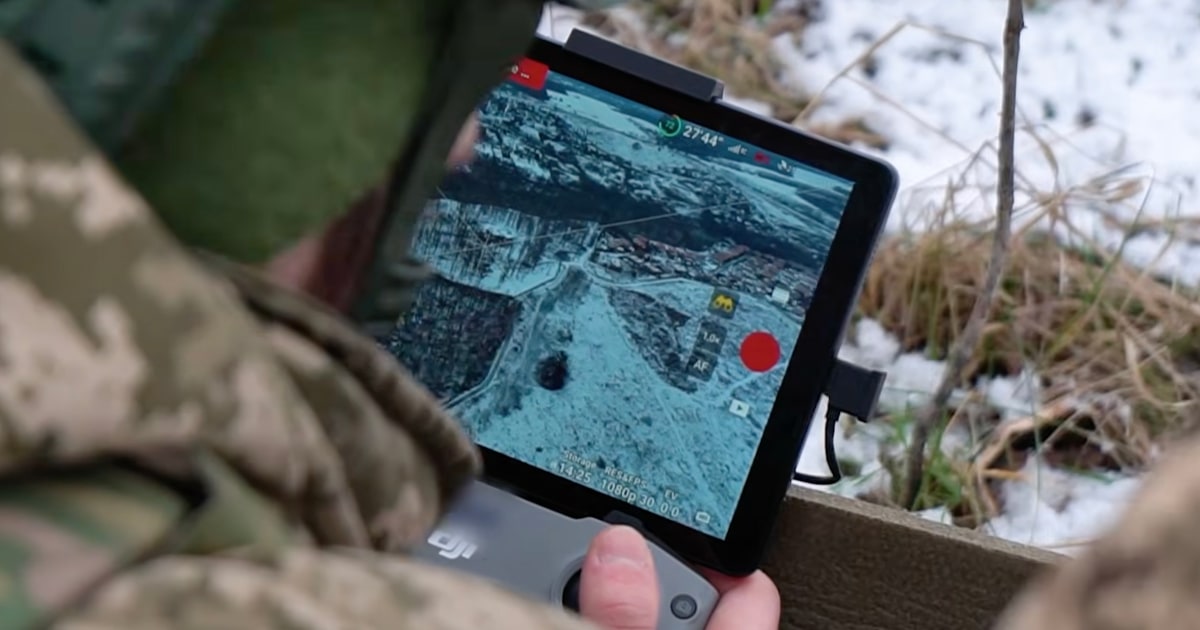
- Ukraine Expands Unmanned Fleet: The Ukrainian Armed Forces' 7th Air Assault Corps has received more than 50 types of drones and over 40 types of ground robotic systems since the beginning of 2026. This rapid expansion highlights the increasing reliance on diverse unmanned platforms for frontline operations.
- AI Integration in Warfare: Recent reporting emphasizes that AI is playing out on Ukraine’s battlefields, with software assisting in attack planning and drones tracking targets to gain an edge against Russia. These developments are shaping future war technologies.
- Global AI Warfare Readiness: A new report examines whether Canada is ready for the age of AI warfare, noting that countries like the U.S., U.K., and China are investing billions in AI-integrated military software and hardware. Despite ethical concerns, Canadian defense officials emphasize keeping humans in the loop as a key strategy.
Analysis
The most significant development is the tangible scale of unmanned system integration within specific Ukrainian units, such as the 7th Air Assault Corps. The addition of 50+ drone types and 40+ ground robots in a single year demonstrates an industrialization of autonomous warfare at the unit level, moving beyond experimental use to standard operational capability. This aligns with broader trends where AI is not just enhancing individual weapons but reshaping command and control structures, as seen in the widespread adoption of software-driven target acquisition and mission planning.
What to Watch
- Policy Responses: Continued debate over "human-in-the-loop" safeguards, particularly in nations like Canada and the U.S., as AI autonomy becomes more prevalent in lethal systems.
- Next-Gen Autonomy: Further details on how Ukraine's modular approach to FPV drones and standalone AI software might influence global defense procurement standards.
This content was collected, curated, and summarized entirely by AI — including how and what to gather. It may contain inaccuracies. Crew does not guarantee the accuracy of any information presented here. Always verify facts on your own before acting on them. Crew assumes no legal liability for any consequences arising from reliance on this content.
Powered by
