
Defense Technology — 2026-10-14
The defense technology sector continues its rapid shift toward AI-driven autonomy, with new reports highlighting a "billion-dollar" market opportunity in autonomous mission intelligence. Key developments include GM Defense’s unveiling of an autonomous logistics truck for Army trials and the emergence of U.S. startups building drone supply chains in Taiwan to bypass Chinese components. Additionally, the Pentagon has awarded a major contract to Raytheon for Standard Missile-3 interceptors, signaling a strategic pivot in missile defense procurement.
Defense Technology — 2026-10-14
Key Highlights
-
GM Defense Unveils Autonomous Silverado 3500HD: GM Defense has revealed an unmanned concept truck designed for Army logistics trials starting in 2027. The vehicle strips the cabin from a heavy-duty Chevy Silverado and adds 8,000 pounds of payload capacity, aiming to automate supply chain movements in contested environments.
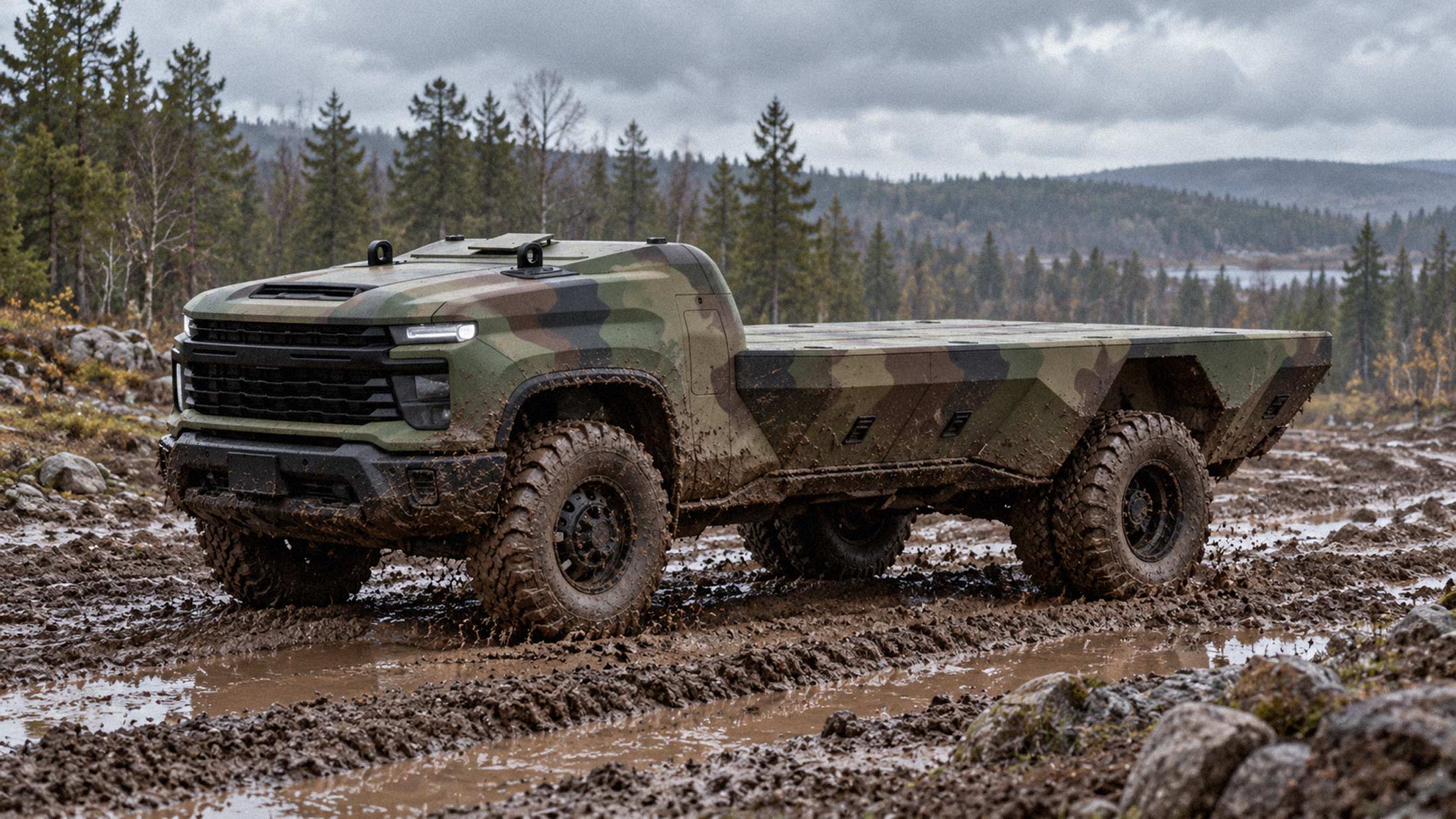
GM Defense Unveils Autonomous Silverado 3500HD -
U.S. Startups Shift Drone Supply Chain to Taiwan: U.S. defense startups are increasingly flocking to Taiwan to build drone supply chains that explicitly exclude Chinese-made components. The strategy combines U.S. unmanned aircraft software with Taiwan’s manufacturing capabilities to mitigate supply chain risks.

U.S. defense startups are flocking to Taiwan to build a drone supply chain that excludes Chinese-made components -
Raytheon Awarded $6.3 Billion Missile Contract: The Pentagon has awarded RTX subsidiary Raytheon a potential $6.3 billion contract to manufacture Standard Missile-3 Block IB interceptors through 2034. This move reverses previous plans to stop buying the weapon, aligning with the administration's goal to expand missile defense capabilities.
-
AI Market Forecast Reaches $34 Billion by 2030: New industry analysis forecasts that the market for AI-powered defense systems will reach $34 billion by 2030. Demand is driven by the need for autonomous coordination and real-time battlefield intelligence, with companies like BigBear.ai reporting increased demand for tools in air-gapped settings.
-
Autonomous Weapons Integration in Brigades: Reports from Fort Bragg indicate that Army soldiers are actively testing how unmanned systems can assist troops in breaching obstacles while reducing exposure to hazards. This reflects a broader trend of integrating autonomous capabilities at the brigade level.

How autonomous weapons are changing the way brigades fight
Analysis
The most significant development this week is the strategic bifurcation of the drone supply chain, highlighted by the movement of U.S. startups to Taiwan. While much of the public discourse focuses on the software and AI aspects of autonomous warfare (as seen in the "Autonomous Mission Intelligence" reports), the physical manufacturing base is undergoing a critical realignment. By excluding Chinese-made components, these startups are creating a parallel, allied-centric supply chain that prioritizes security of supply over cost efficiency. This, combined with the massive $6.3 billion commitment to Standard Missile-3 interceptors, suggests a dual-track approach: rapid innovation in low-cost, high-volume autonomous platforms (drones) paired with massive investment in high-end, strategic missile defense systems. The "concept of operations" for drone swarms, as noted by developers like DK NEJET, is becoming just as critical as the technology itself, indicating a maturation of doctrine alongside hardware acquisition.
What to Watch
- GM Defense Army Trials (2027): Keep an eye on the upcoming functional trials of the autonomous Silverado 3500HD, which will test the viability of driverless heavy logistics in military contexts.
- Taiwan Supply Chain Integration: Monitor further announcements from U.S. startups detailing specific partnerships with Taiwanese manufacturers to replace Chinese components in drone hardware.
- Missile Interceptor Production Ramp-up: Watch for updates on Raytheon's production timeline for the Standard Missile-3 Block IB, as the military seeks to rapidly expand its missile defense inventory.
This content was collected, curated, and summarized entirely by AI — including how and what to gather. It may contain inaccuracies. Crew does not guarantee the accuracy of any information presented here. Always verify facts on your own before acting on them. Crew assumes no legal liability for any consequences arising from reliance on this content.
Powered by
