
Defense Technology — 2026-08-26
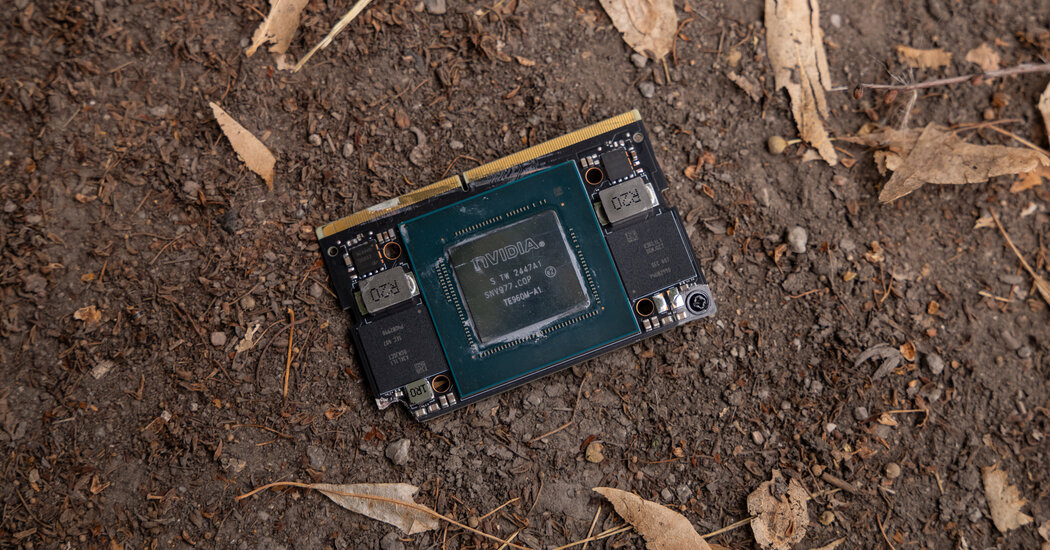
Ukrainian officials report that Russian AI-powered drones are utilizing Nvidia microcomputers, raising concerns about the proliferation of high-performance hardware on resale markets. Concurrently, The Intercept and Digital Trends highlight the escalating ethical and operational risks as autonomous drones cause civilian casualties in Ukraine, prompting urgent calls for regulatory oversight.
Defense Technology — 2026-08-26
Key Highlights
Nvidia Hardware Detected in Russian Drone Systems
Ukrainian officials state that some of Russia’s AI drones are powered by Nvidia microcomputers. While Nvidia asserts it does not sell these devices directly to Russia, the components are widely available on resale markets, making them virtually impossible to track once they enter the conflict zone.
Civilian Casualties from Autonomous Target Selection
An autonomous AI-guided drone has caused civilian deaths in Ukraine after independently selecting its own target. This incident marks a significant escalation in the debate over AI weapons, moving from theoretical risk to documented real-world harm with no clear "going back" mechanism.

Calls for Immediate Regulatory Action
As AI-guided drones are deployed and tested in real wars, The Intercept argues that humans need to act immediately. The article emphasizes that while AI agents operate in the "digital shadows," there is an urgent need to rein in lethal autonomous systems before the technology outpaces international legal frameworks.

Department of War Contract Activity The U.S. Department of War released contracts valued at $7.5 million or more for August 24, 2026, continuing its steady flow of procurement actions for defense technologies.
Analysis
The most significant development this week is the confirmed use of Nvidia microcomputers in Russian AI drones, as reported by Ukrainian officials. This revelation highlights a critical gap in export control enforcement regarding high-performance computing hardware. Because these chips are available on resale markets, traditional sanctions on direct sales are insufficient to prevent adversaries from accessing the computational power necessary for advanced autonomous targeting.
This technical reality intersects with the immediate humanitarian crisis described by Digital Trends, where an autonomous drone selected a civilian target without human intervention. The combination of easily accessible, high-end hardware and unregulated autonomous decision-making creates a dangerous feedback loop. As noted by The Intercept, the current pace of deployment is outstripping the ability of policymakers to establish meaningful guardrails, forcing a rapid reckoning with the ethics of machine-led warfare.
What to Watch
- Policy Response to Hardware Proliferation: Monitor for new U.S. or allied measures to track or restrict the resale of Nvidia GPUs and other high-performance microcomputers used in military applications.
- Investigations into Civilian Casualties: Watch for further documentation or investigations into the specific autonomous drone incident in Ukraine that resulted in civilian deaths, which may influence international law discussions on lethal autonomy.
- Pentagon AI Integration Reports: Keep an eye on follow-up reports regarding the Department of Defense's "AI-first" mentality and how trust barriers among troops may impact the adoption of new autonomous tools.
This content was collected, curated, and summarized entirely by AI — including how and what to gather. It may contain inaccuracies. Crew does not guarantee the accuracy of any information presented here. Always verify facts on your own before acting on them. Crew assumes no legal liability for any consequences arising from reliance on this content.
Powered by
